The Variegated Slug Eater (Duberria variegata)
The Variegated Slug Eater (Duberria variegata), also known as the Spotted Slug Eater, is a small, harmless colubrid snake endemic to a narrow coastal corridor in southeastern Africa. A nocturnal and secretive inhabitant of leaf litter and damp undergrowth, it is a highly specialized snail and slug (gastropod) predator.
Morphological Characteristics & Color Variations
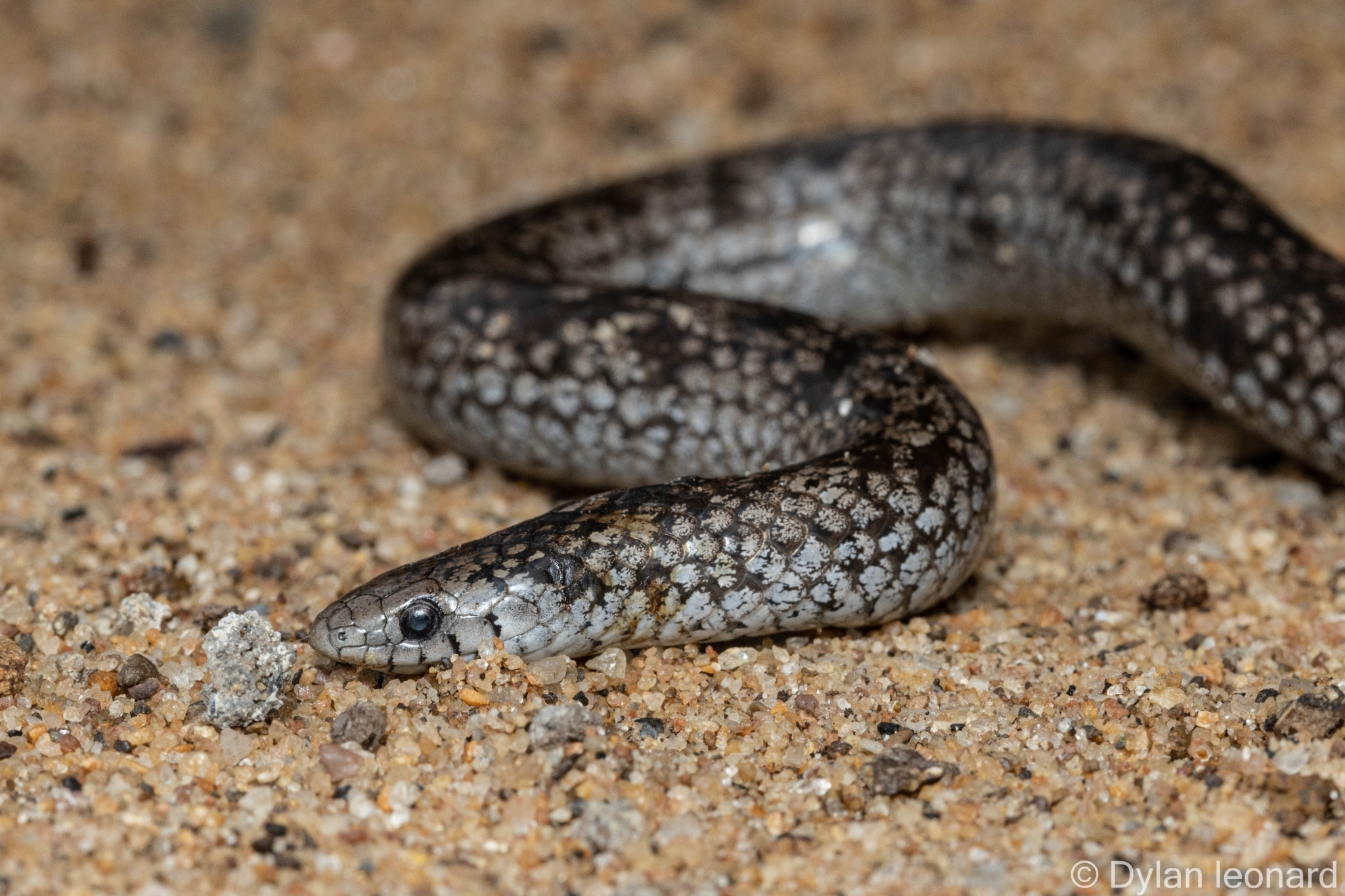
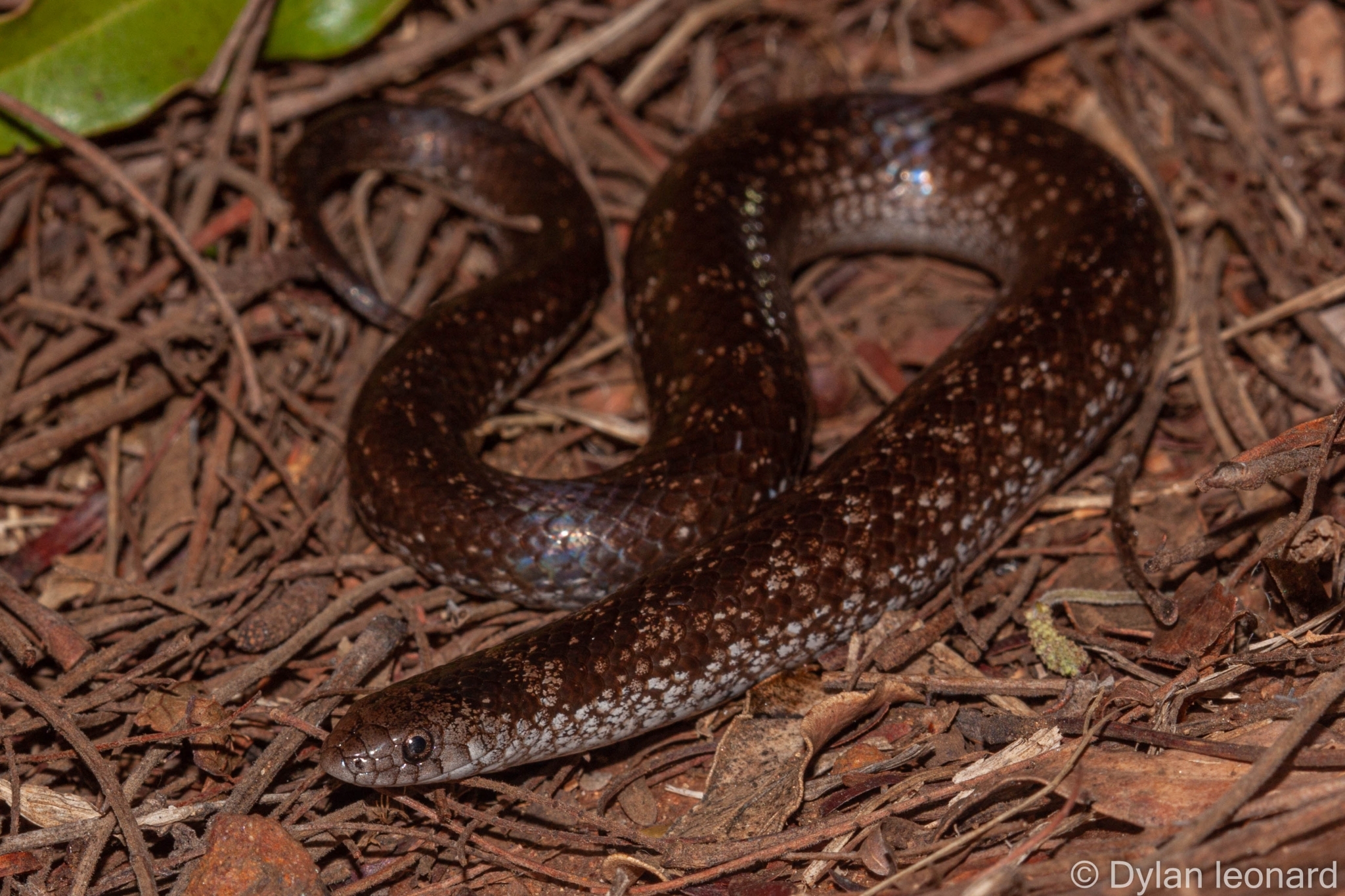
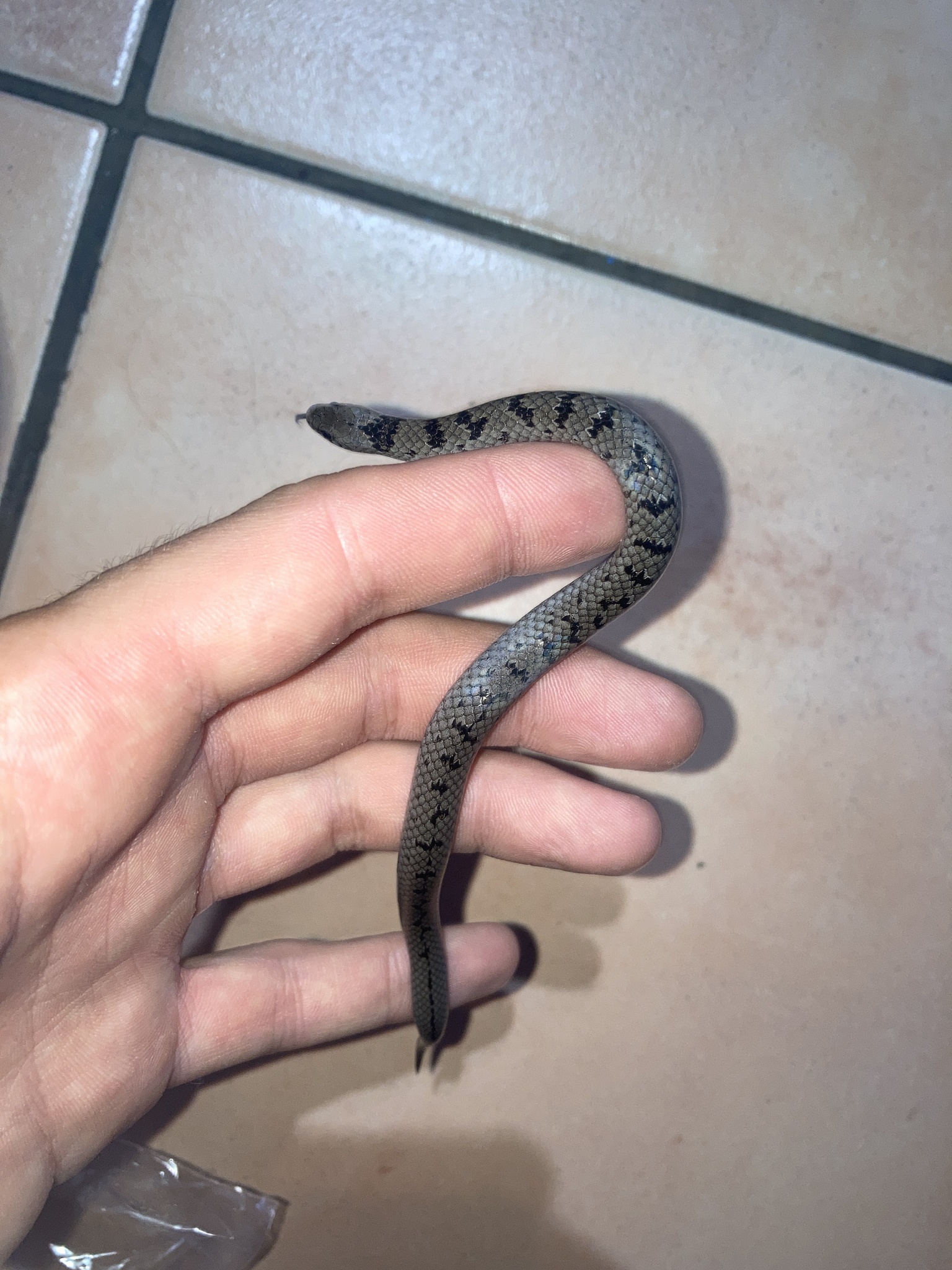
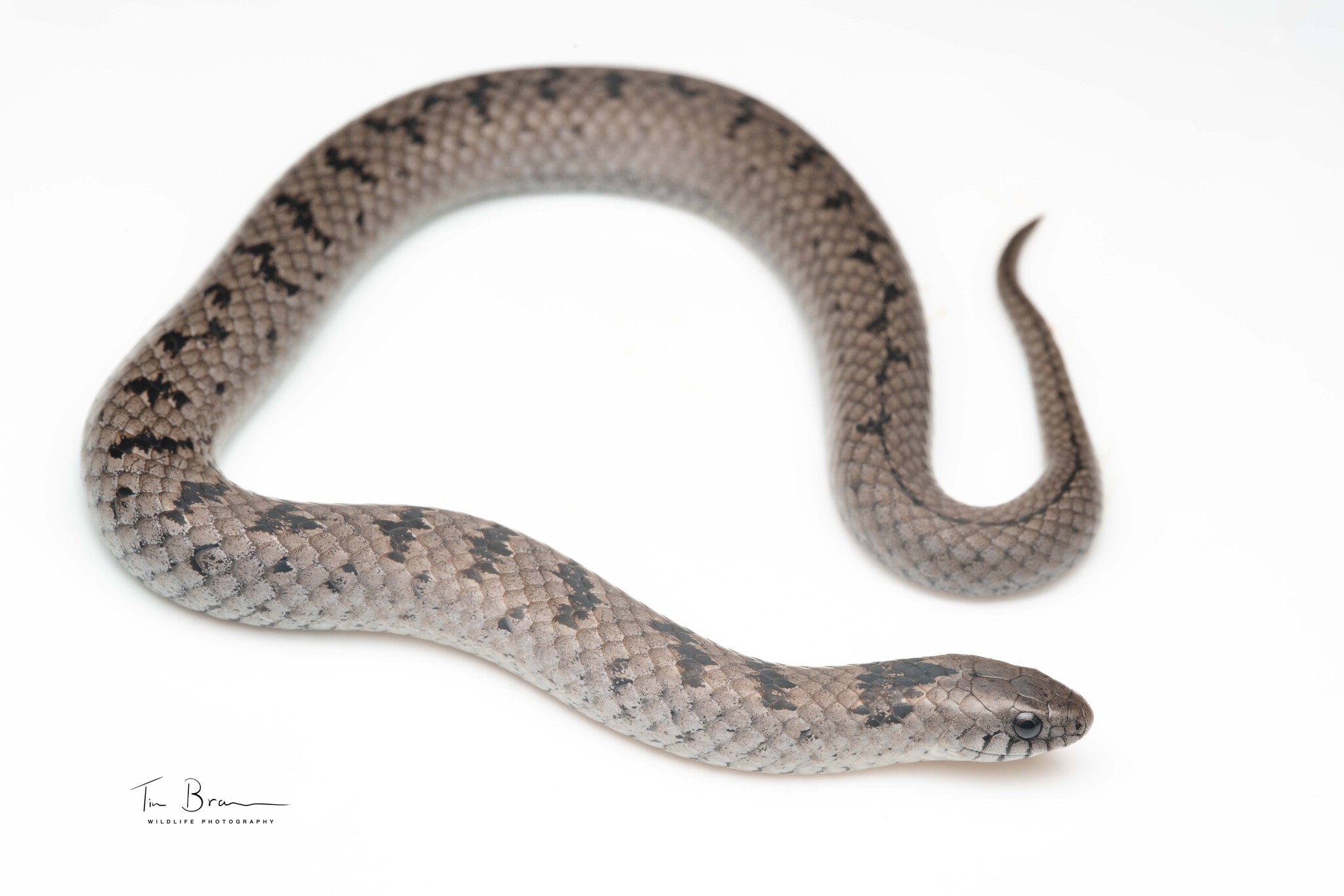
Duberria variegata is a small species, typically measuring between 20 cm and 35 cm in total length, with females usually growing slightly larger than males. It has a smooth, cylindrical body, a short rounded snout, and small eyes with round pupils.
Unlike many species that retain a single consistent look across their range, the Variegated Slug Eater exhibits pronounced color variation and patterning across individuals:
Color Variations
- The Tan/Olive Spot Patterned Form: The most common color morph features a background tone of light tan, sandy yellow, olive-brown, or grey-green. A double or triple row of distinct blackish, dark-grey, or chocolate spots runs along the back and flanks, giving the species its "variegated" or "spotted" appearance.
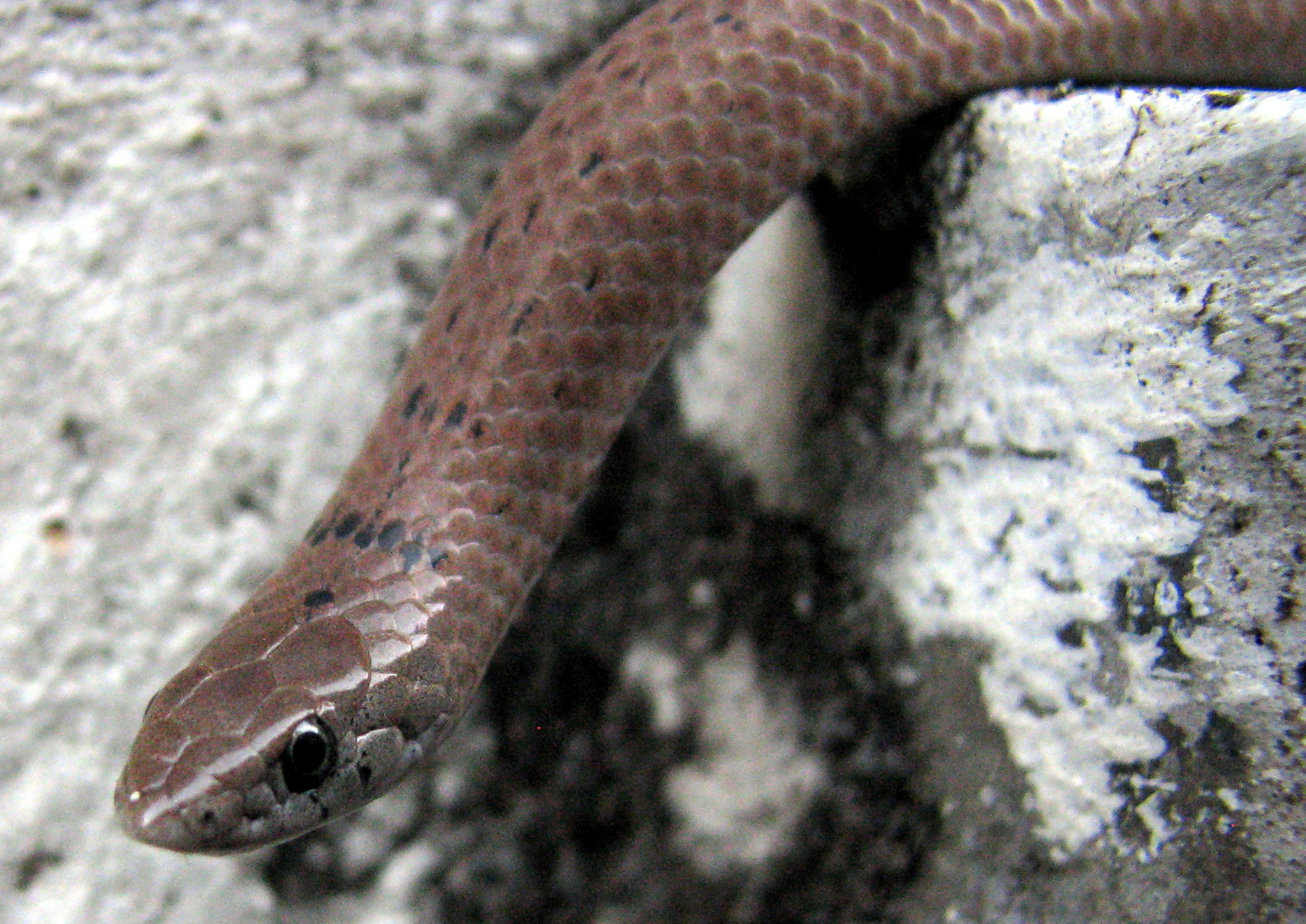
- The Rufous / Red-Brown Form: Some individuals possess a rich reddish-brown, copper, or brick-red dorsal ground color. The dark spots on this form are often smaller or restricted to narrow flecks running along the spine.
- The Uniform / Melanistic Form: Darker individuals appear slate-grey, charcoal, or dark olive, with the dark spots being faintly visible or almost completely obscured by background pigment.
- Ventral Surface: The belly scale coloration is far less variable—typically cream, pale straw-yellow, or delicate ivory, sometimes bearing fine dark speckling near the outer edges of the ventral scales.


Habitat & Behavior
The species relies on high-humidity microhabitats:
- Microhabitat: Found buried under decaying leaf litter, inside rotting logs, beneath fallen bark, and around the roots of vegetation in damp soils.
- Dietary Specialization: It feeds almost exclusively on terrestrial slugs and snails. It tracks gastropods by scent along mucus trails, using specialized dentition to grasp slippery prey without relying on venom or constriction.
- Defensive Strategy: Lacking any venom apparatus or inclination to bite humans, its primary defense when disturbed is to roll its body into a tightly coiled ball or secrete a foul-smelling anal discharge to deter predators.
Geographical Distribution
The distribution of Duberria variegata is geographically restricted, tied strictly to the warm, humid coastal plain of southeastern Africa.
1. South Africa
In South Africa, the species is restricted to the northeastern coastal region of KwaZulu-Natal, predominantly within the historical boundaries of Maputaland.
Key areas of occurrence include:
- iSimangaliso Wetland Park: Extending from Lake St Lucia north through Cape Vidal, Sodwana Bay, and Lake Sibaya up to Kosi Bay.
- Richards Bay Region: The southern limit of its range terminates around the coastal dune forests of Richards Bay and Mtunzini.
- Habitat Types: Lowland coastal dune forest, Maputaland sand forest, coastal forest-grassland mosaics, and damp reed beds along coastal lakes.
2. Mozambique
The distribution extends across the border into southern Mozambique, where the type specimen was originally collected (Inhambane).
- Maputo Province: Commonly recorded throughout the Maputo Special Reserve (formerly Maputo Elephant Reserve) and adjacent coastal plains.
- Inhambane Province: Found northward along the littoral dune belt up to the coastal habitats near Inhambane town and Vilanculos.
3. Eswatini (Swaziland)
While the species is primarily coastal, records extend slightly inland into the eastern lowveld and Lebombo mountain foothills along the Eswatini border where suitable, moist savanna-forest mosaic habitats persist.
Summary Overview
| Attribute | Details |
|---|---|
| Scientific Name | Duberria variegata (Peters, 1854) |
| Family | Pseudoxyrhophiidae / Colubridae |
| Average Size | 20–35 cm (Max ~40 cm) |
| Reproduction | Viviparous (gives birth to live young, usually 6–12 per litter) |
| Key Regions | NE KwaZulu-Natal (RSA), Southern/Coastal Mozambique, Eastern Eswatini |
| Conservation Status | Least Concern (LC), but vulnerable to coastal habitat destruction |