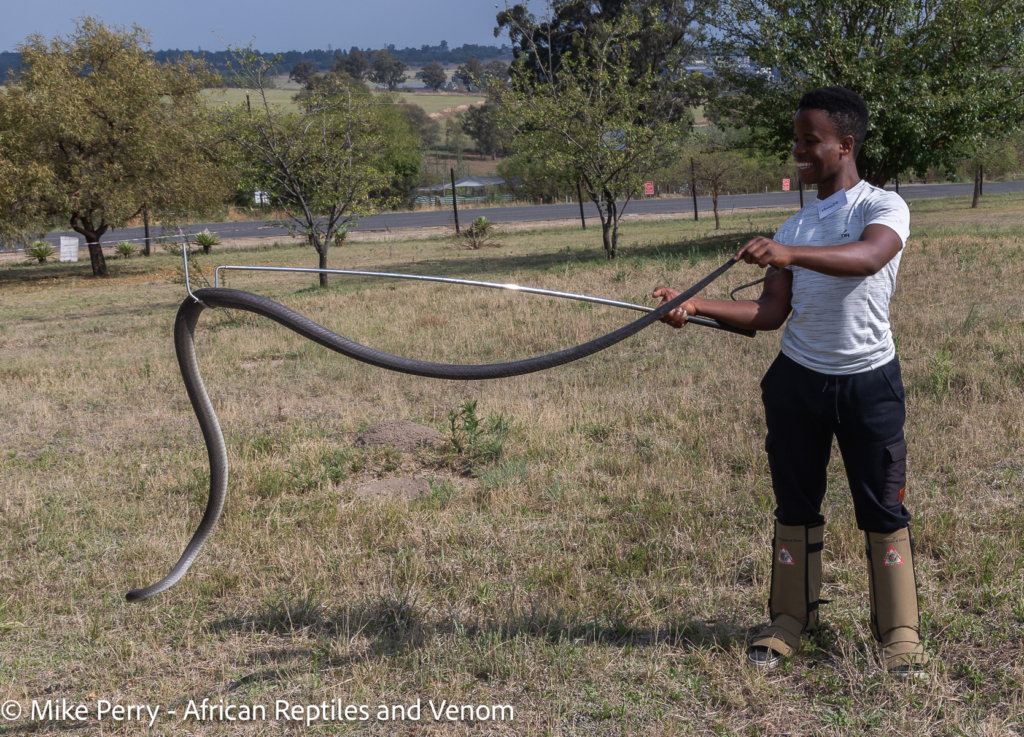
Dangerous Snakes of the North West Province
The Medically Significant Snakes of the North West Province: A Factual Guide
The North West Province's bushveld and grasslands support a variety of deadly snakes, many of which are highly active in the warmer months. It is home to several species considered Highly Venomous (capable of causing human fatalities) and Dangerous.
SCROLL INDEX
Highly Venomous Species (Potentially Life-Threatening Bites)
- Puff Adder
- Black Mamba
- Cape Cobra
- Mozambique Spitting Cobra
- Snouted Cobra
- Rinkhals
- Boomslang
- Southern Vine Snake
Regional and Rare Dangerous Species
Highly Venomous/Life Threatening Species
Dangerous/Medically Significant Species
Highly Venomous Species (Potentially Life-Threatening Bites)
These species have venom that can result in human fatality without quick medical intervention and usually require antivenom.
Puff Adder from near Molopo Game Reserve, North West Province © Bryan Maritz, some rights reserved (CC BY NC)
DANGEROUS SNAKES OF THE NORTH WEST PROVINCE
Puff Adder (Bitis arietans)
- Distribution in the North West Province: Widespread and common across most habitat types in the province, including grasslands and rocky areas.
- Danger Level: Highly Venomous (Very Dangerous – has caused human fatalities).
- Venom Type: Potently Cytotoxic venom with bites resulting in Painful Progressive Swelling and tissue damage.
- Description: The heavy-bodied viper that is exceptionally camouflaged. It is slow-moving and often basks in the sun or lies on footpaths and trails, resulting in a high number of human encounters and bites.
Black Mamba males in combat from near Madikwe Game Reserve, North West Province © Andre Harmse, some rights reserved (CC BY NC)
DANGEROUS SNAKES OF THE NORTH WEST PROVINCE
Black Mamba (Dendroaspis polylepis)
- Distribution in the North West Province: Widely distributed in the bushveld and savannah areas of the province.
- Danger Level: Highly Venomous (Very Dangerous – has caused human fatalities).
- Venom Type: Potent Neurotoxic venom causing Progressive Weakness Syndrome.
- Description: A large, quick, nervous and highly-feared snake of the bushveld. It has a narrow, “coffin-shaped” head and can reach lengths of over 3 meters, and become quite thick. It is one of the deadliest snakes in Africa that will attempt to flee if cornered or disturbed, failing which it will defend itself confidently.
DANGEROUS SNAKES OF THE NORTH WEST PROVINCE
Cape Cobra (Naja nivea)
- Distribution in the North West Province: Primarily restricted to the drier, arid western and central regions of the province (Kalahari and Karoo margin).
- Danger Level: Highly Venomous (Very Dangerous – has caused human fatalities).
- Venom Type: Potent Neurotoxic venom with bites resulting in Progressive Weakness Syndrome.
- Description: A highly variable snake in colour (yellow, brown, or black) that is quick to rear and spread a broad hood when disturbed.
Mozambique Spitting Cobra from near Swartruggens © Rob Tibbitt Eggleton, some rights reserved (CC BY NC)
DANGEROUS SNAKES OF THE NORTH WEST PROVINCE
Mozambique Spitting Cobra (Naja mossambica)
- Distribution in the North West Province: Common in the bushveld and savannah habitats, particularly in the eastern and central regions.
- Danger Level: Highly Venomous (Although deaths are known, bites can cause severe tissue damage and skipping necrosis).
- Venom Type: Highly Cytotoxic venom (Painful Progressive Swelling), which the snake can spit accurately towards the eyes.
- Description: A nervous, spitting cobra common in the bushveld. Its habit of hunting at night and sometimes entering homes and beds, makes it highly dangerous.
Snouted Cobra from near Hartebeespoort, North West © Andre Coetzer, some rights reserved (CC BY NC)
DANGEROUS SNAKES OF THE NORTH WEST PROVINCE
Snouted Cobra (Naja annulifera)
- Distribution in the North West Province: Common in the savannah and grassland areas throughout the province.
- Danger Level: Highly Venomous (Very Dangerous – has caused human fatalities).
- Venom Type: Mixed Neurotoxic (Progressive Weakness) and Cytotoxic (Painful Progressive Swelling) venom.
- Description: A large cobra of the savannah and grassland, often seen crossing roads. Colouration varies from uniform brown/yellow to boldly banded black and yellow. It readily rears and hoods when disturbed.
Rinkhals from west of Randfontein © Courtney Hundermark, some rights reserved (CC BY NC)
DANGEROUS SNAKES OF THE NORTH WEST PROVINCE
Rinkhals (Hemachatus haemachatus)
- Distribution in the North West Province: Found mainly in the southern, cooler, high-altitude grasslands and mountain areas bordering the Free State.
- Danger Level: Highly Venomous (Although rare, fatalities are known).
- Venom Type: Mainly Neurotoxic (Progressive Weakness) and some Cytotoxic (Painful Progressive Swelling) properties are present in the venom. It can spit accurately up to 8 feet.
- Description: A medium-sized relative of the true cobras, known for its habit of feigning death when severely threatened. In the North West Province is typically dark brown to black and displays distinct white or cream bands across its throat when hooded.
Boomslang from Pilansberg © Frederic Douce, some rights reserved (CC-BY-NC)
DANGEROUS SNAKES OF THE NORTH WEST PROVINCE
Boomslang (Dispholidus typus)
- Distribution in the North West Province: Found in areas with sufficient tree cover, such as riverine bushveld and wooded savannah throughout the province.
- Danger Level: Highly Venomous (Very Dangerous – has caused human fatalities).
- Venom Type: Potently Haemotoxic venom causing Bleeding Syndrome.
- Description: A large-eyed, shy, and mostly arboreal snake. Despite the high potency of its venom, bites are rare as this snake is reluctant to bite humans. It will try avoid detection or flee if threatened.
Southern Twig Snake © Mike Perry
DANGEROUS SNAKES OF THE NORTH WEST PROVINCE
Southern Twig Snake (Thelotornis capensis)
- Distribution in the North West Province: Present in the bushveld and wooded areas, especially in the central and eastern parts of the province.
- Danger Level: Highly Venomous (Very Dangerous – has caused human fatalities).
- Venom Type: Haemotoxic venom causing Bleeding Syndrome.
- Description: A rear-fanged well-camouflaged tree snake that looks remarkably like a twig. Its excellent camouflage and reluctance to flee make it dangerous if accidentally grabbed.
Regional and Rare Dangerous Species
These snakes have a Dangerous bite, but do not cause death and no antivenom is required.
Horned Adder © Rika du Plessis, some rights reserved (CC BY NC)
DANGEROUS SNAKES OF THE NORTH WEST PROVINCE
Horned Adder (Bitis caudalis)
- Distribution in the North West Province: Restricted to the dry, rocky or sandy, westernmost regions of the province..
- Danger Level: Venomous (Dangerous).
- Venom Type: Cytotoxic venom.
- Description: A small adder with a horn above each eye, found in the drier western parts of the province. Its bite causes local pain and swelling.
Rhombic Night Adder from near Potchefstroom © Alex Rebelo, some rights reserved (CC BY NC)
DANGEROUS SNAKES OF THE NORTH WEST PROVINCE
Rhombic Night Adder (Causus rhombeatus)
- Distribution in the North West Province: Widespread and common across the province, frequently found in gardens, grasslands, and savanna.
- Danger Level: Venomous (Dangerous).
- Venom Type: Mildly Cytotoxic venom.
- Description: A common, medium-sized snake with dark, diamond-shaped patterns. It is mostly active at night and is responsible for many painful, but usually non-lethal, bites.
Bibron’s Stiletto Snake from south-west of Rustenburg © Willem Van Zyl, some rights reserved (CC BY NC)
DANGEROUS SNAKES OF THE NORTH WEST PROVINCE
Bibron's Stiletto Snake (Atractaspis bibronii)
- Distribution in the North West Province: Widely distributed across the province, found in various habitats, especially where sandy or loamy soil allows for burrowing.
- Danger Level: Dangerous (Painful bite, often requiring hospitalisation).
- Venom Type: Potent Cytotoxic venom.
- Description: A burrowing snake often seen on the surface after rain. It is often mistaken for a harmless snake, but its long, unique fangs make any attempt to grab or pin it behind the head extremely dangerous.
Speckled Shield-nose Snake © Mike Perry
DANGEROUS SNAKES OF THE NORTH WEST PROVINCE
Speckled Shield-nose Snake (Aspidelaps scutatus scutatus)
- Distribution in the North West Province: Found in the sandy soils of the dry western and central parts of the province.
- Danger Level: Venomous (Dangerous – human fatalities are known, but bites are infrequent).
- Venom Type: Mixed Neurotoxic and Cytotoxic venom.
- Description: A small, nocturnal snake with a large, shovel-like rostral (nose) scale for burrowing in sandy soil. It will flatten its neck into a narrow hood and hiss repeatedly when threatened.
Images used in this article are copyrighted and belong to Mike Perry, or labeled and obtained with permission from their respective owners,
or licensed under a Creative Commons Attribution-NonCommercial 4.0 International License (CC BY-NC 4.0).
We extend our sincere thanks to the respective photographers who generously
shared their work on iNaturalist, making the visual content of this article possible.
Safety and Medical Protocol
In the event of a snakebite, immediate hospitalization is mandatory. Treatment involves managing symptoms, pain control, and the administration of species-specific antivenom where applicable (available for Mambas, Puff Adders, and Cobras). Never attempt to use methods such as tourniquets, cutting the wound, or sucking out venom. The safest approach to coexistence is to maintain distance and allow all snakes to move away naturally.