
skaapstekers of Southern Africa

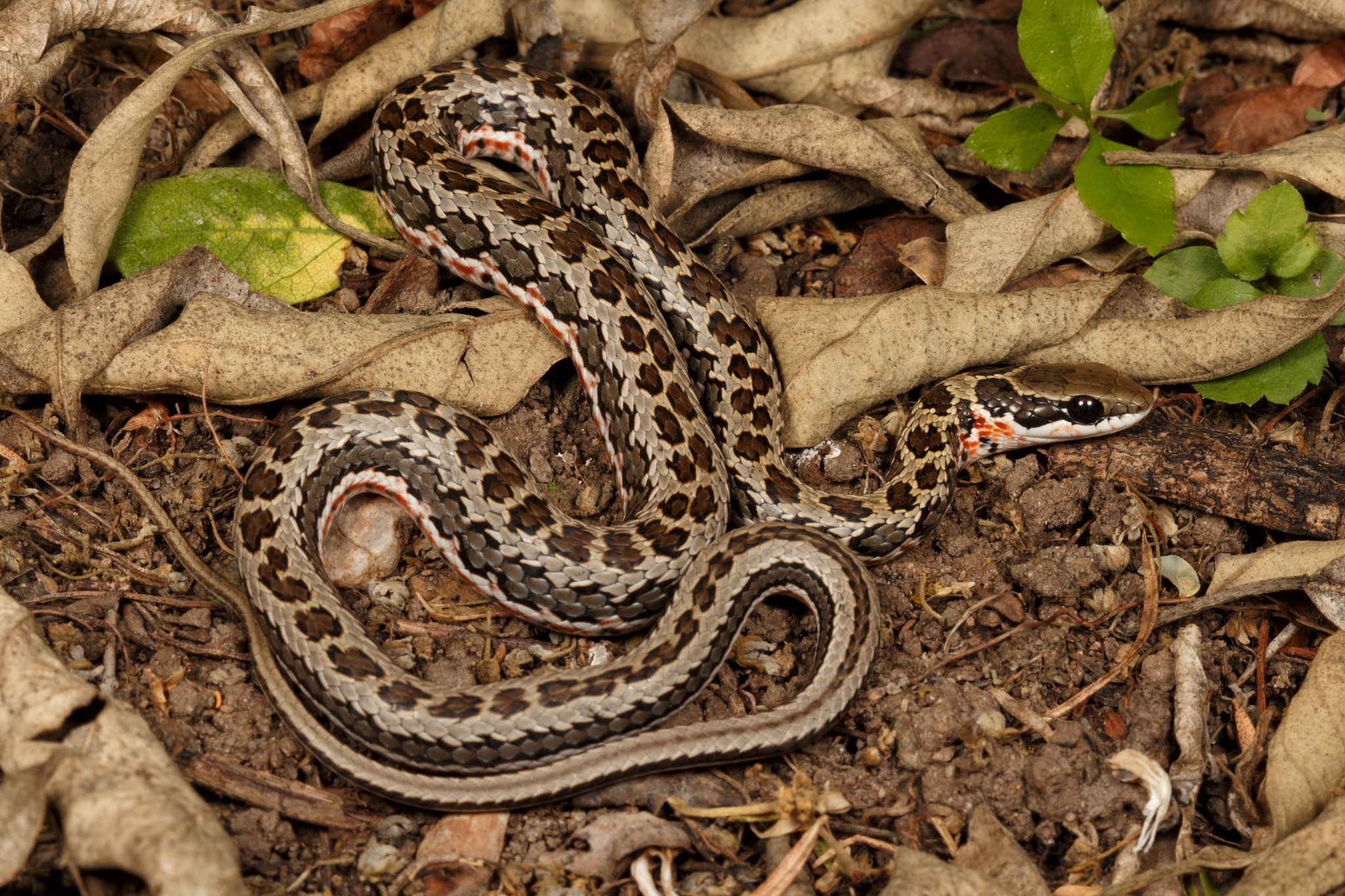
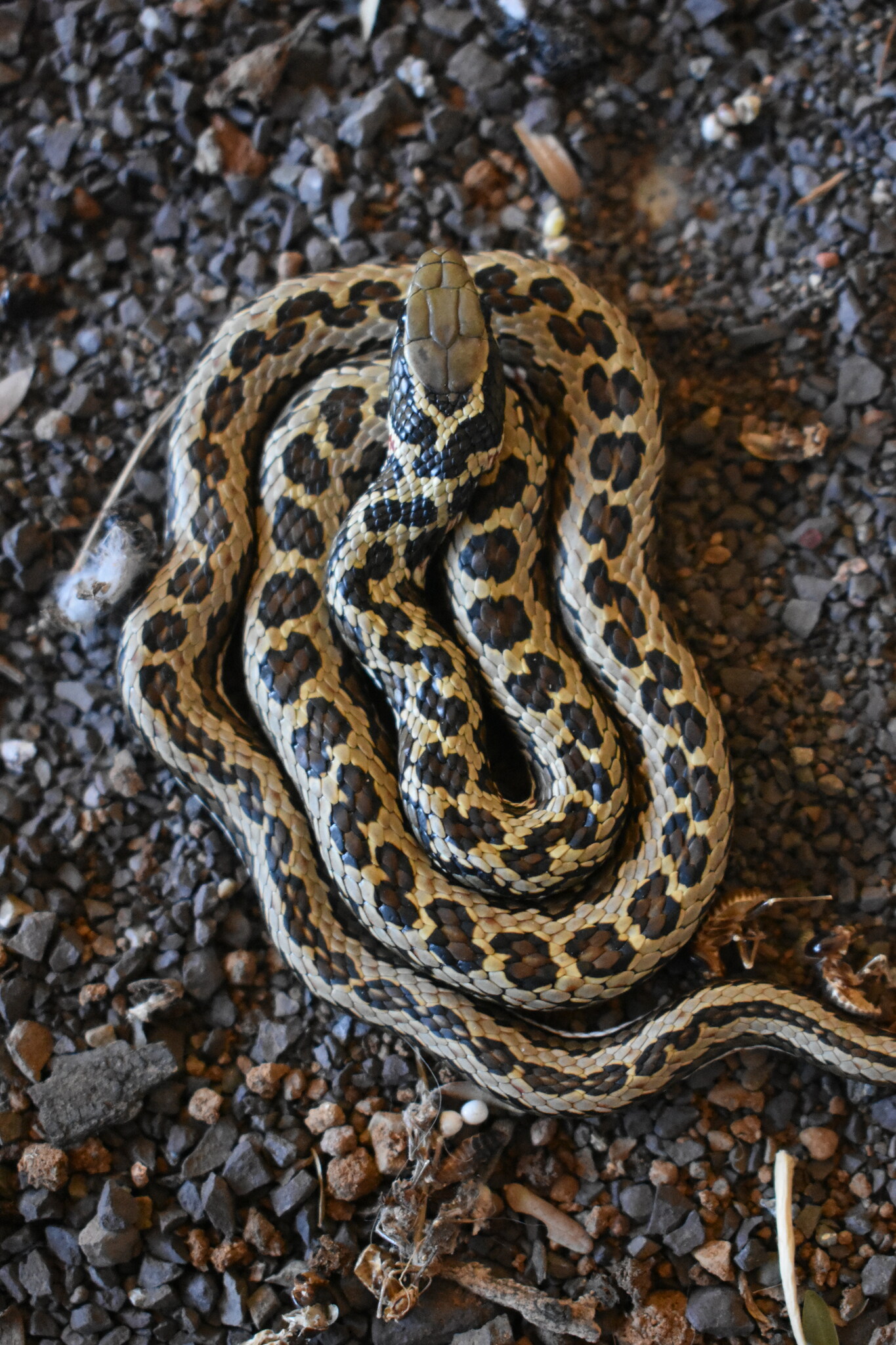
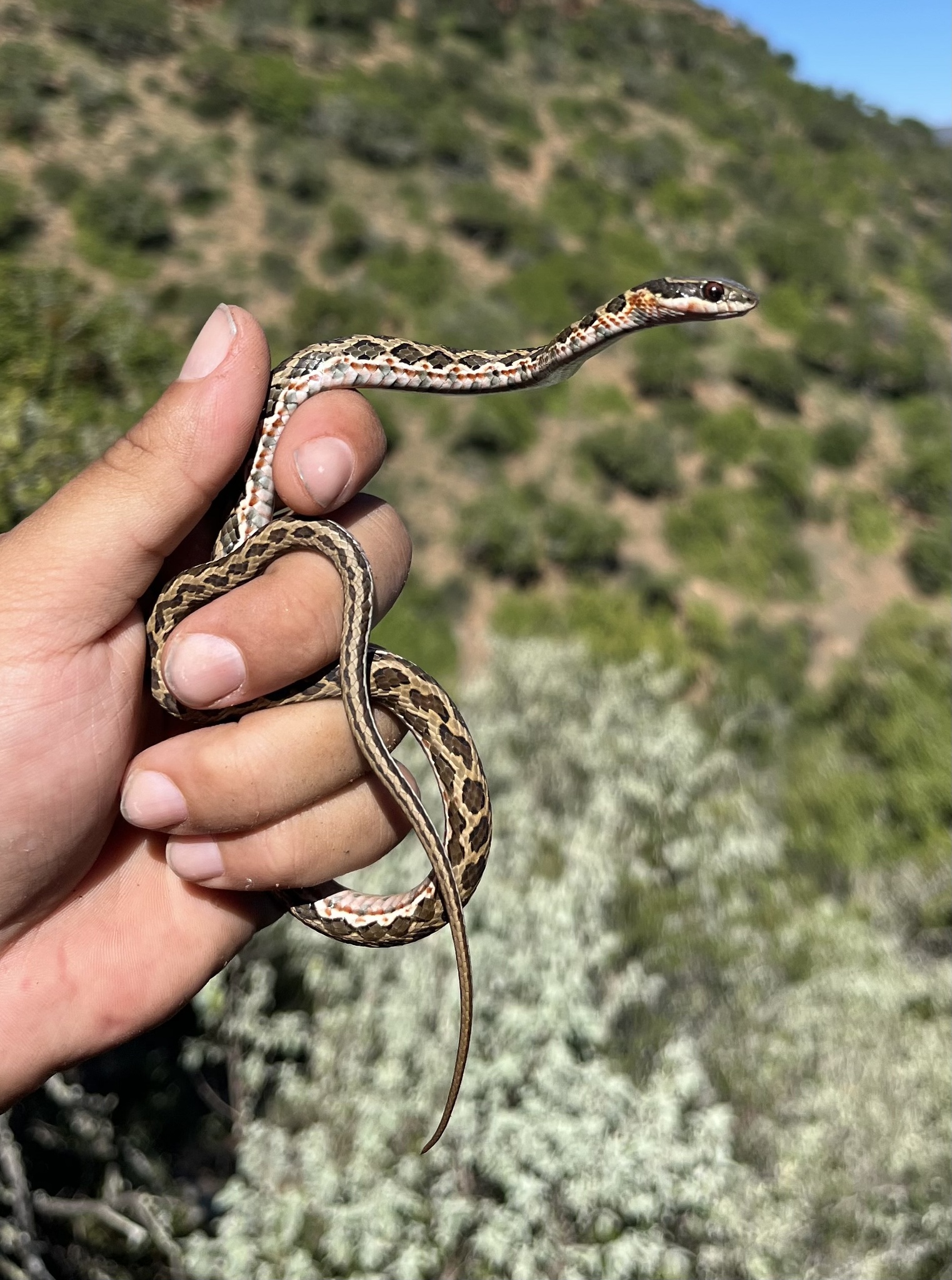
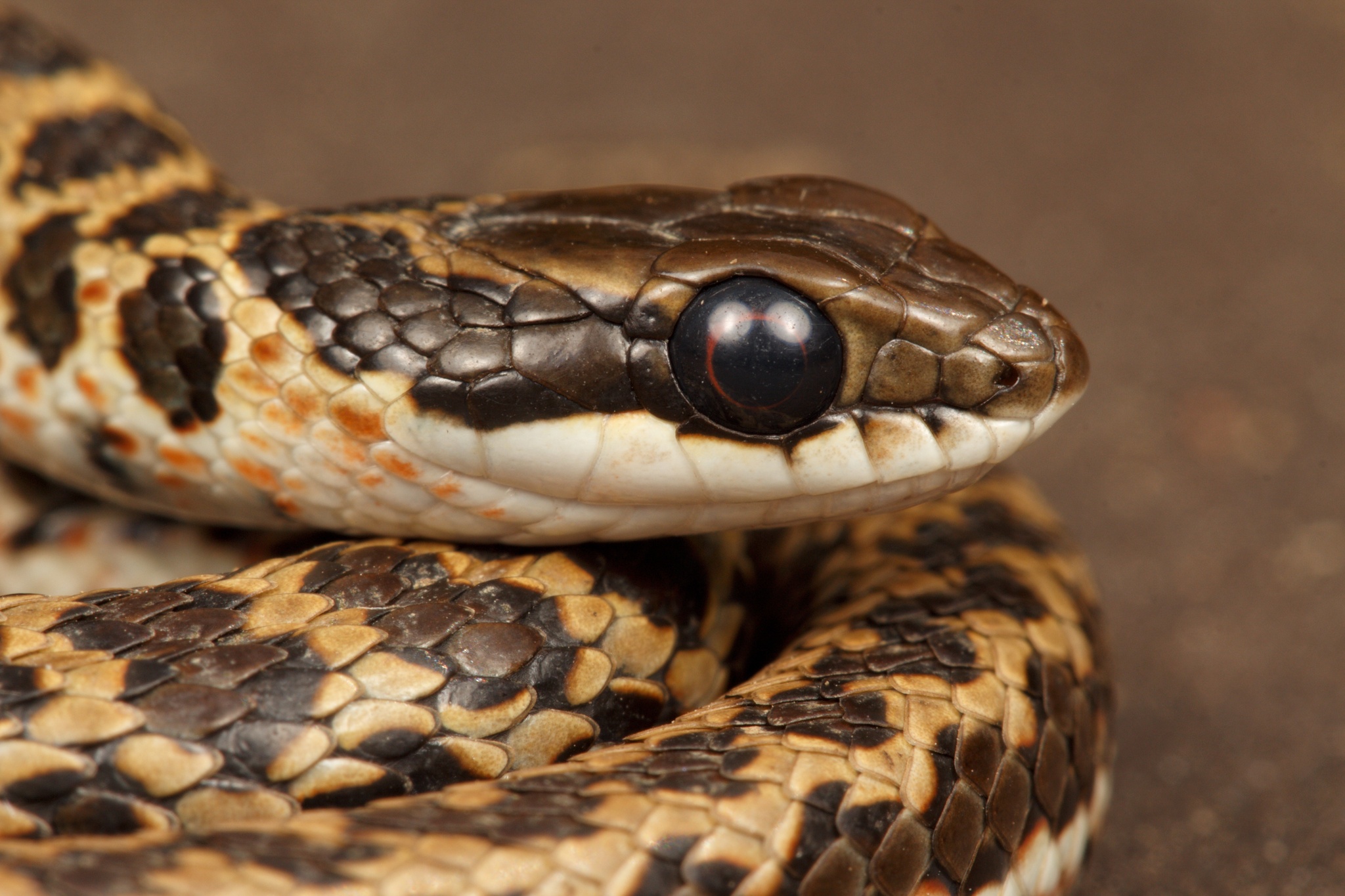
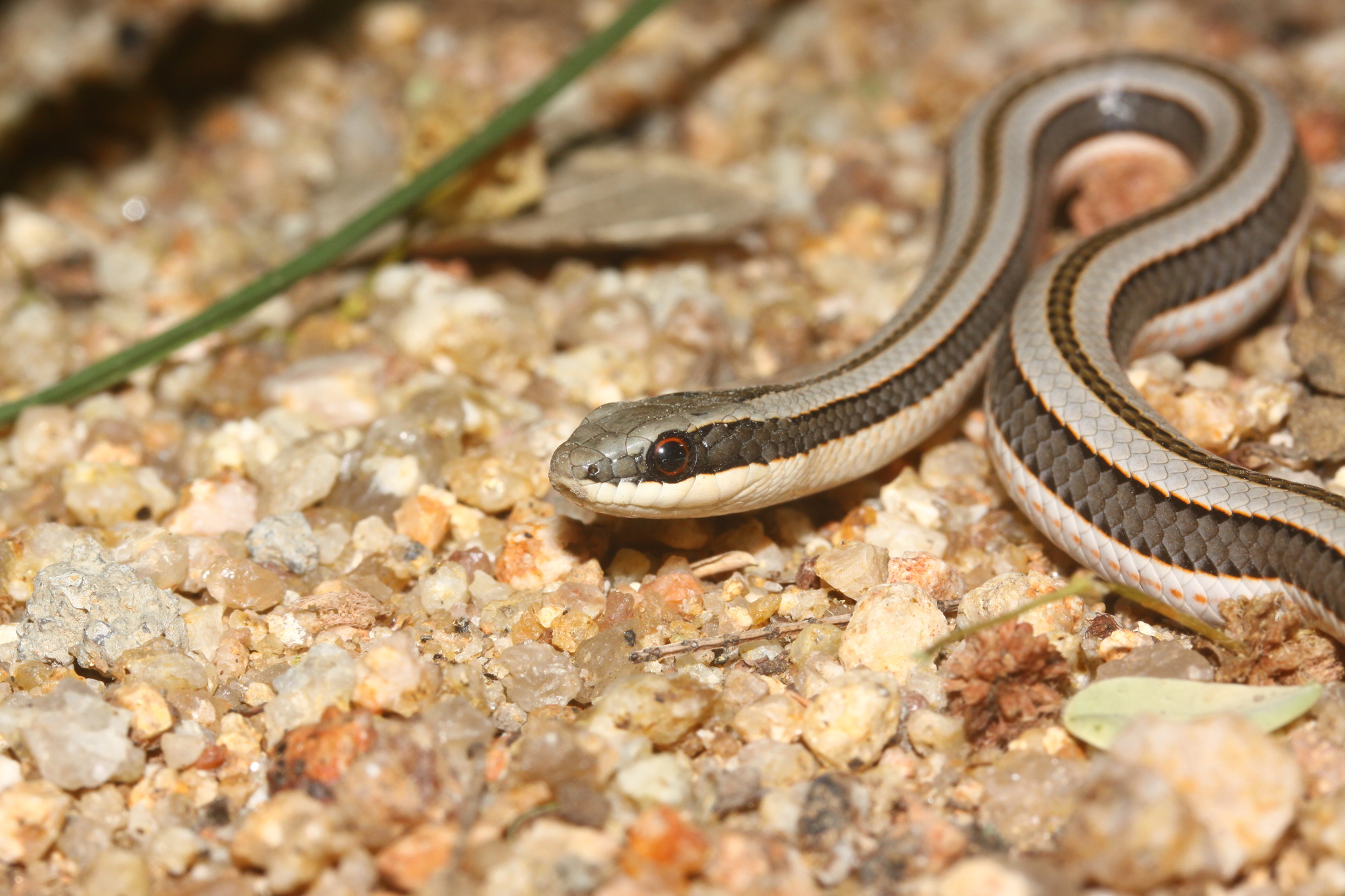
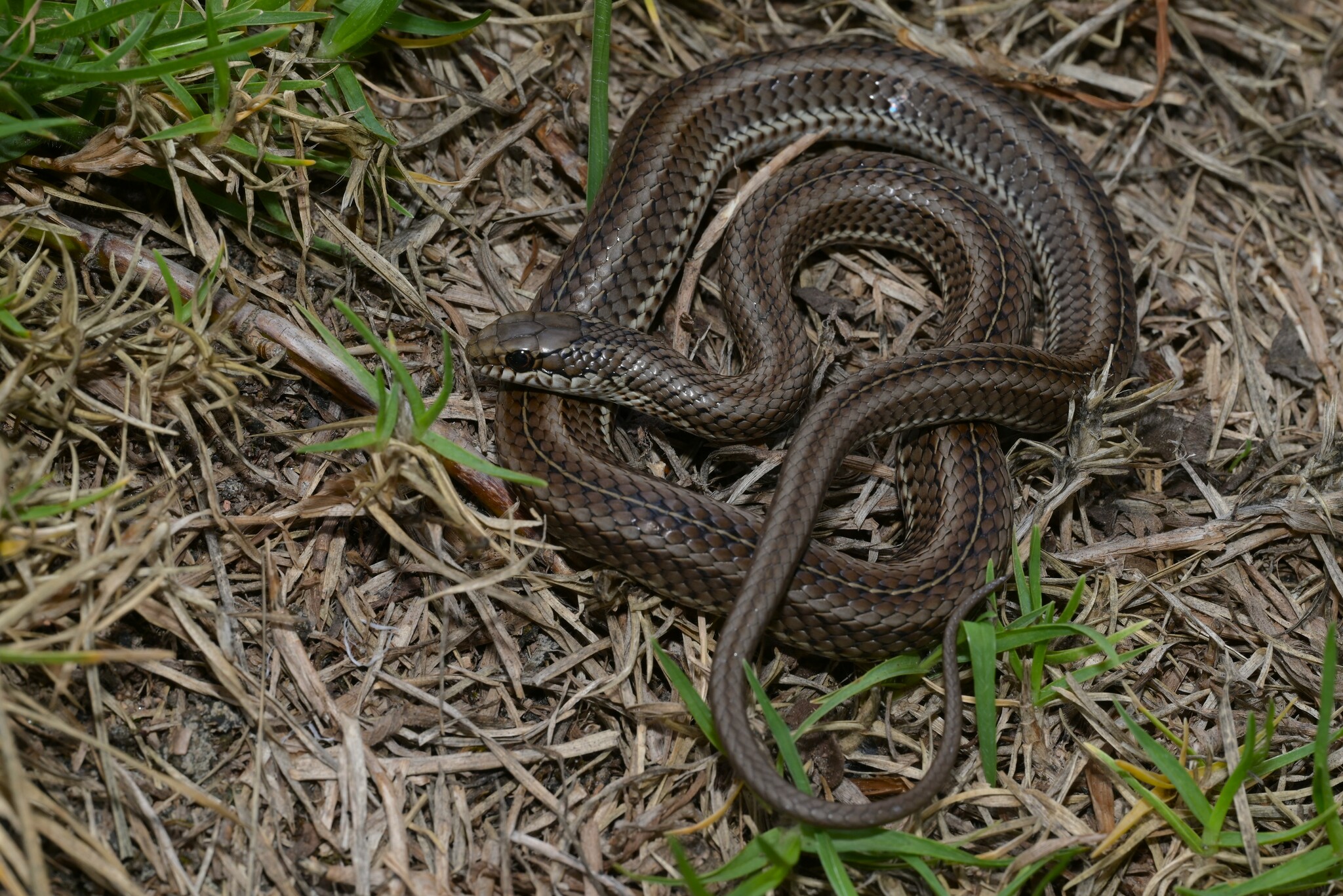
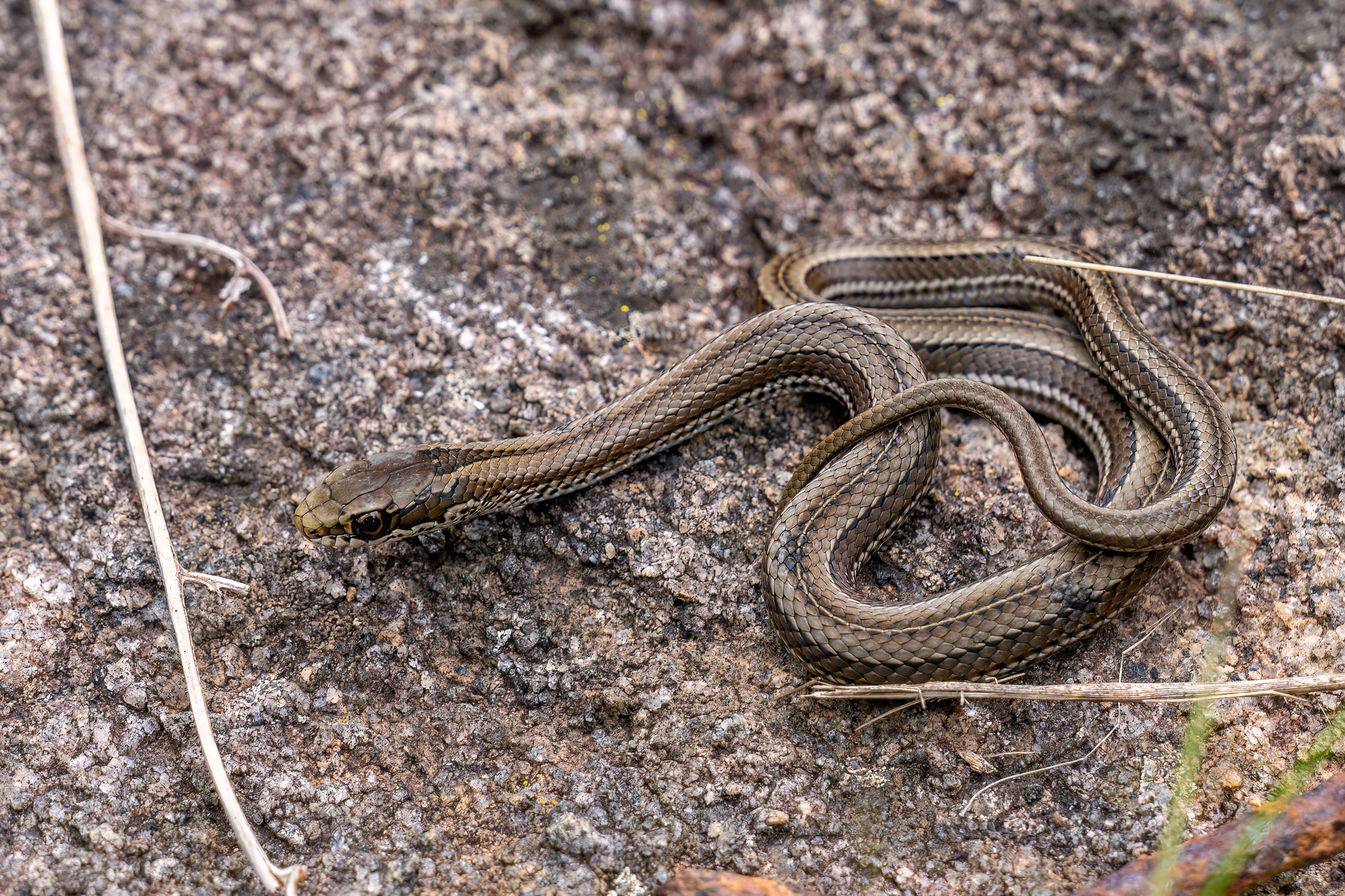
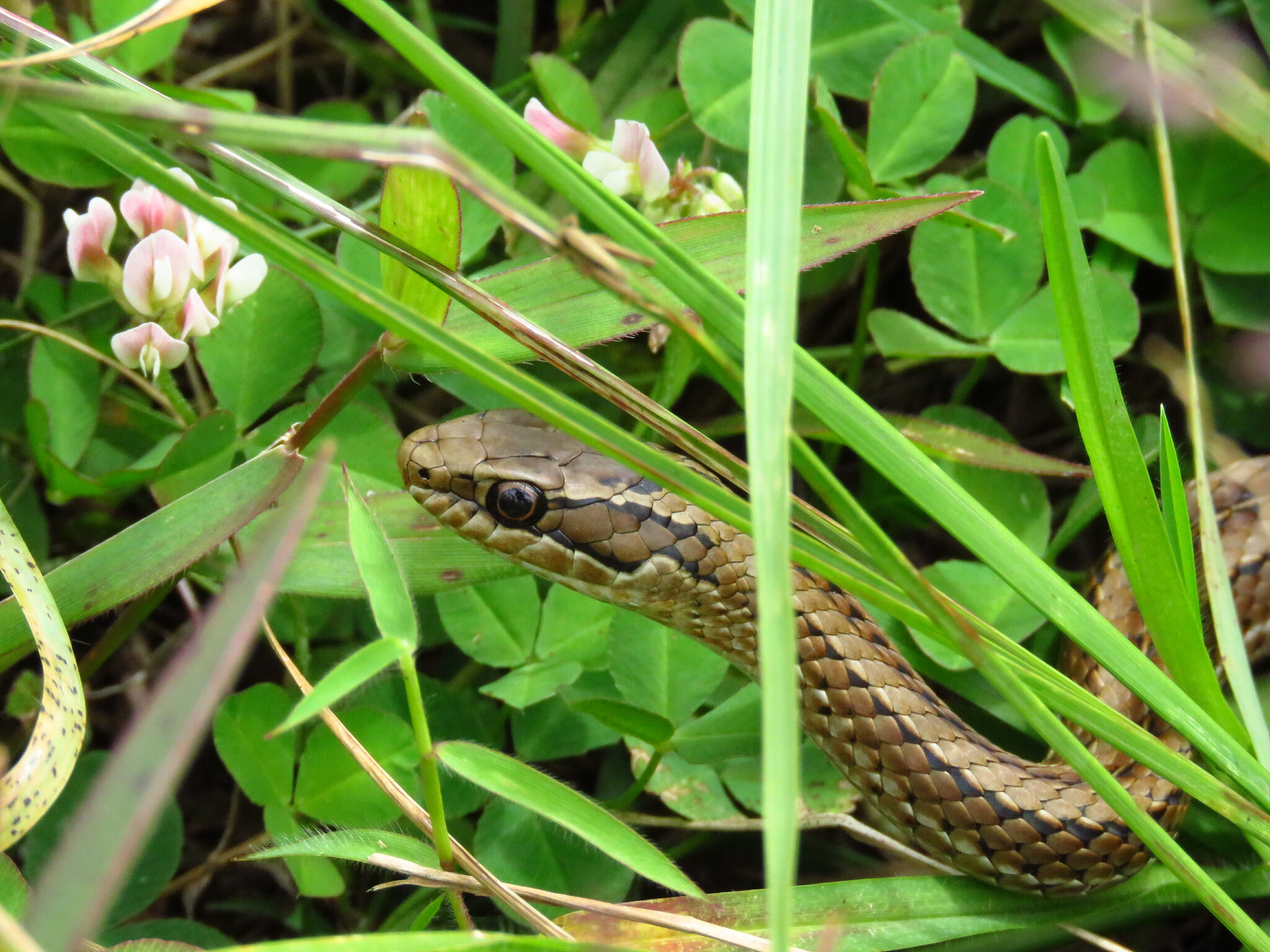
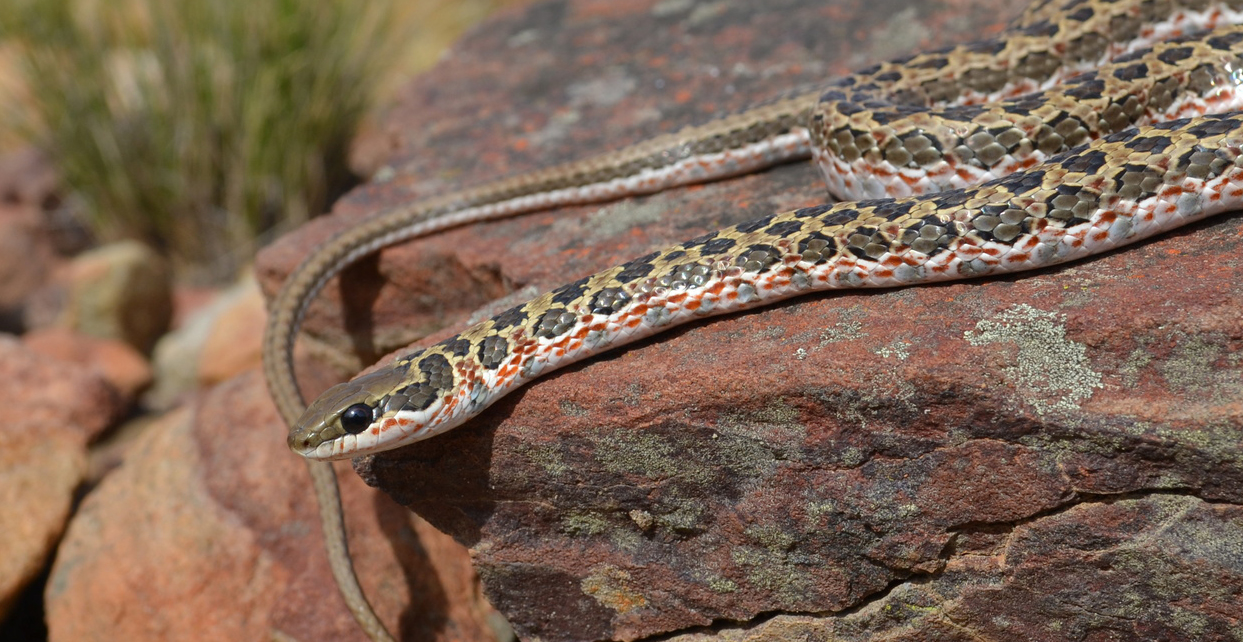
Rhombic Skaapsteker (Psammophylax rhombeatus) from Cape Winelands District © saindigenous

Snakes of the genus Psammophylax

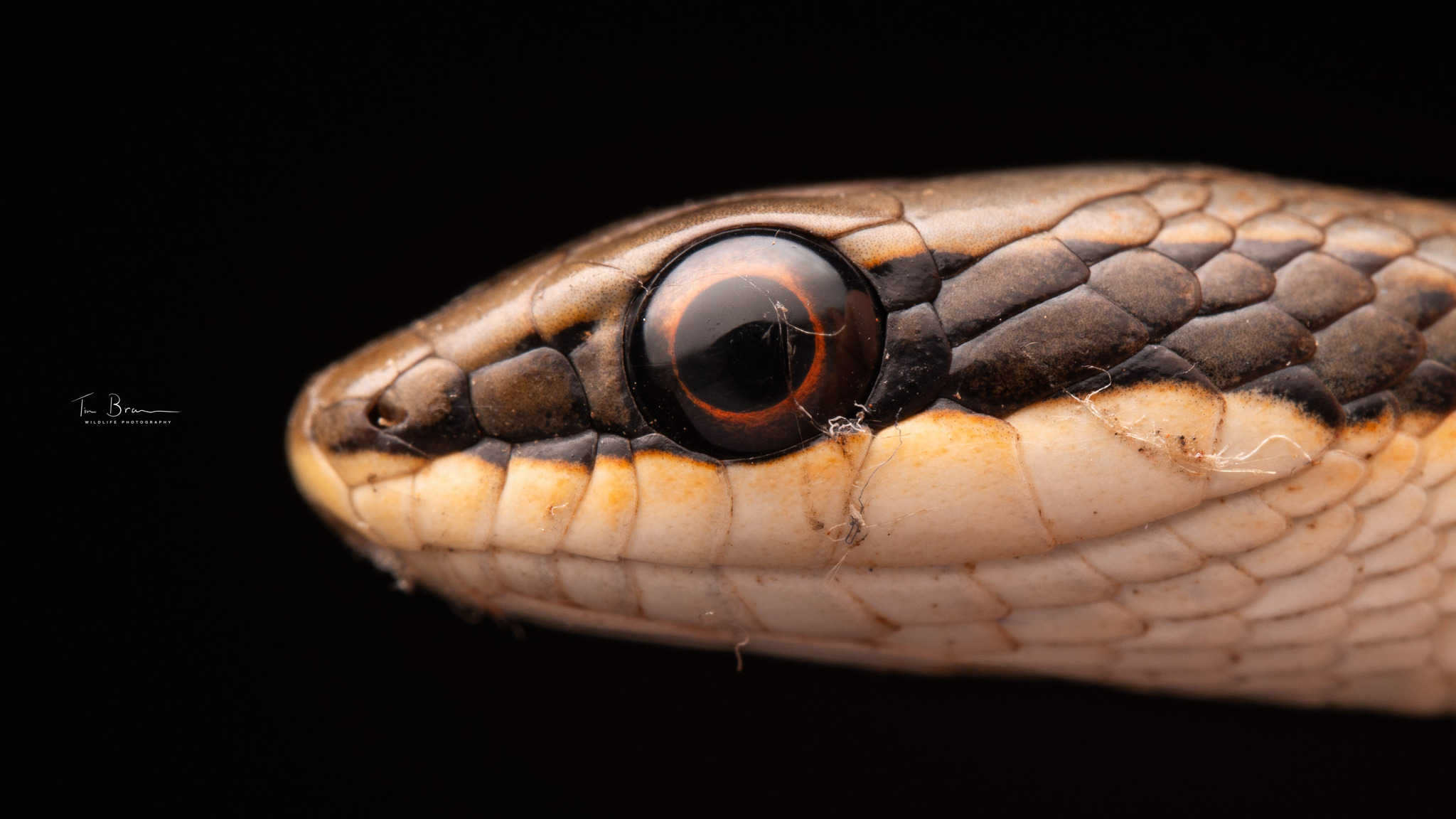
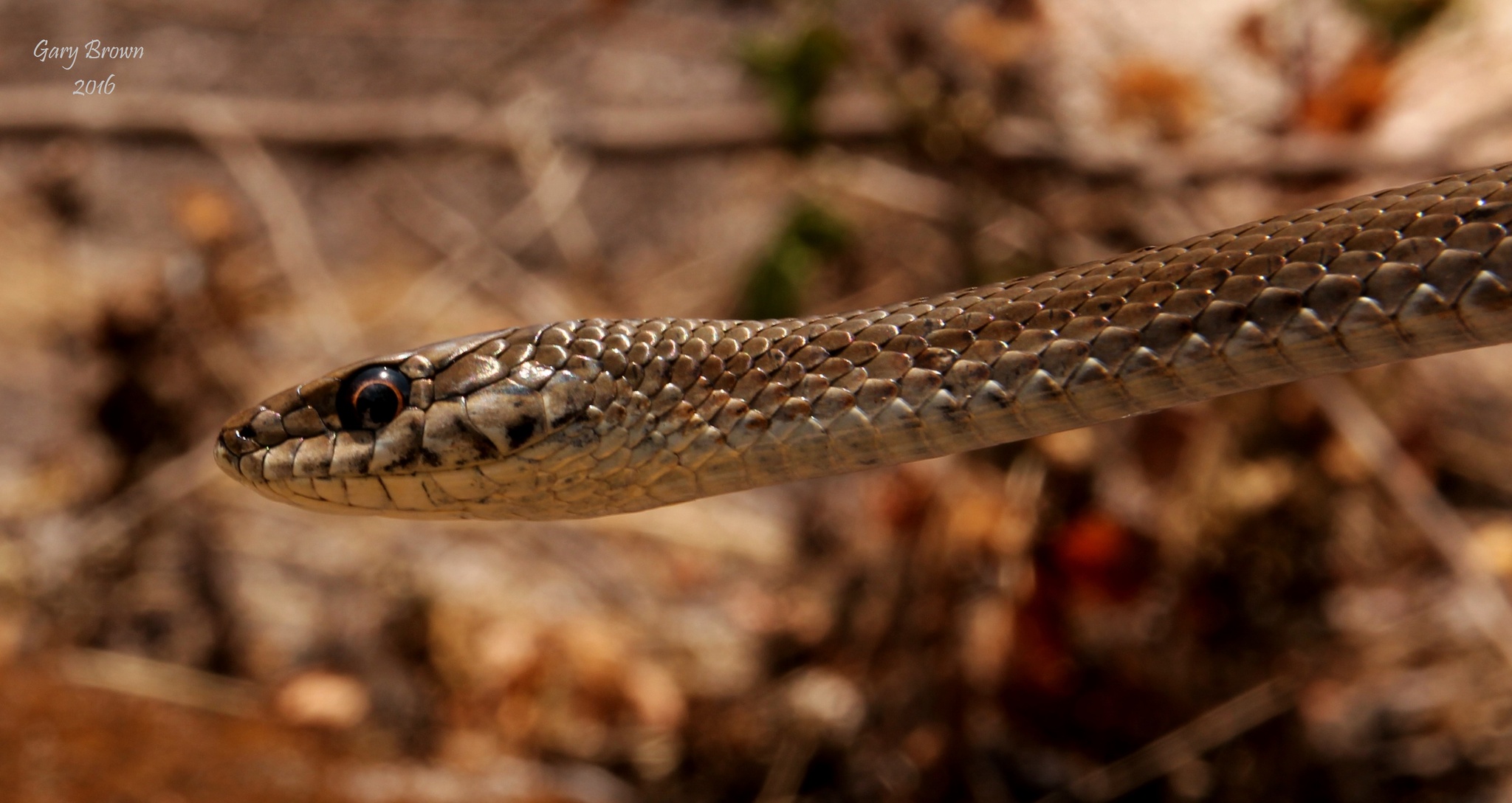
The name “skaapsteker,” meaning “sheep stabber” in Afrikaans, often evokes a sense of danger associated with snakes in Southern Africa. While this moniker stems from a historical misconception, it applies to snakes within the genus Psammophylax. This article delves into three prominent types found across Southern Africa: the Common or Rhombic Skaapsteker (Psammophylax rhombeatus), the Striped Skaapsteker (Psammophylax tritaeniatus), and the Grey-bellied Skaapsteker (Psammophylax variabilis), highlighting their unique characteristics, distribution, and ecological roles.

All images from iNaturalist.org used in this article are licensed under
a Creative Commons Attribution-NonCommercial 4.0 International License (CC BY-NC 4.0). 
We extend our sincere thanks to the respective photographers who generously
shared their work on iNaturalist, making the visual content of this article possible.

The Common or Rhombic Skaapsteker

Psammophylax rhombeatus

Description: This subspecies typically exhibits a greyish-brown, olive, or yellowish-brown base color adorned with a distinctive pattern of dark rhombic (diamond-shaped) blotches or spots along its back. These markings can sometimes merge into longitudinal stripes. The belly is usually a uniform yellowish or cream, often with spots or irregular markings. They are slender to moderately robust, reaching lengths of 60-100 cm. Maximum size: 140 cm.

Distribution: The common skaapsteker has a broad distribution across much of Southern Africa, including South Africa, Namibia, Lesotho, and Eswatini. Its adaptability allows it to thrive in a wide array of habitats.

Habitat: Found at any altitude from mountain tops to the coast – in arid savannas, grasslands, fynbos, karoo scrub, and even coastal thickets. They are adaptable to both natural and human-modified landscapes.

Behavior & Diet: Diurnal and generally non-aggressive, preferring to flee when threatened. Their diet primarily consists of lizards, rodents, other snakes, frogs, and occasionally birds.  

The Striped Skaapsteker

Psammophylax tritaeniatus

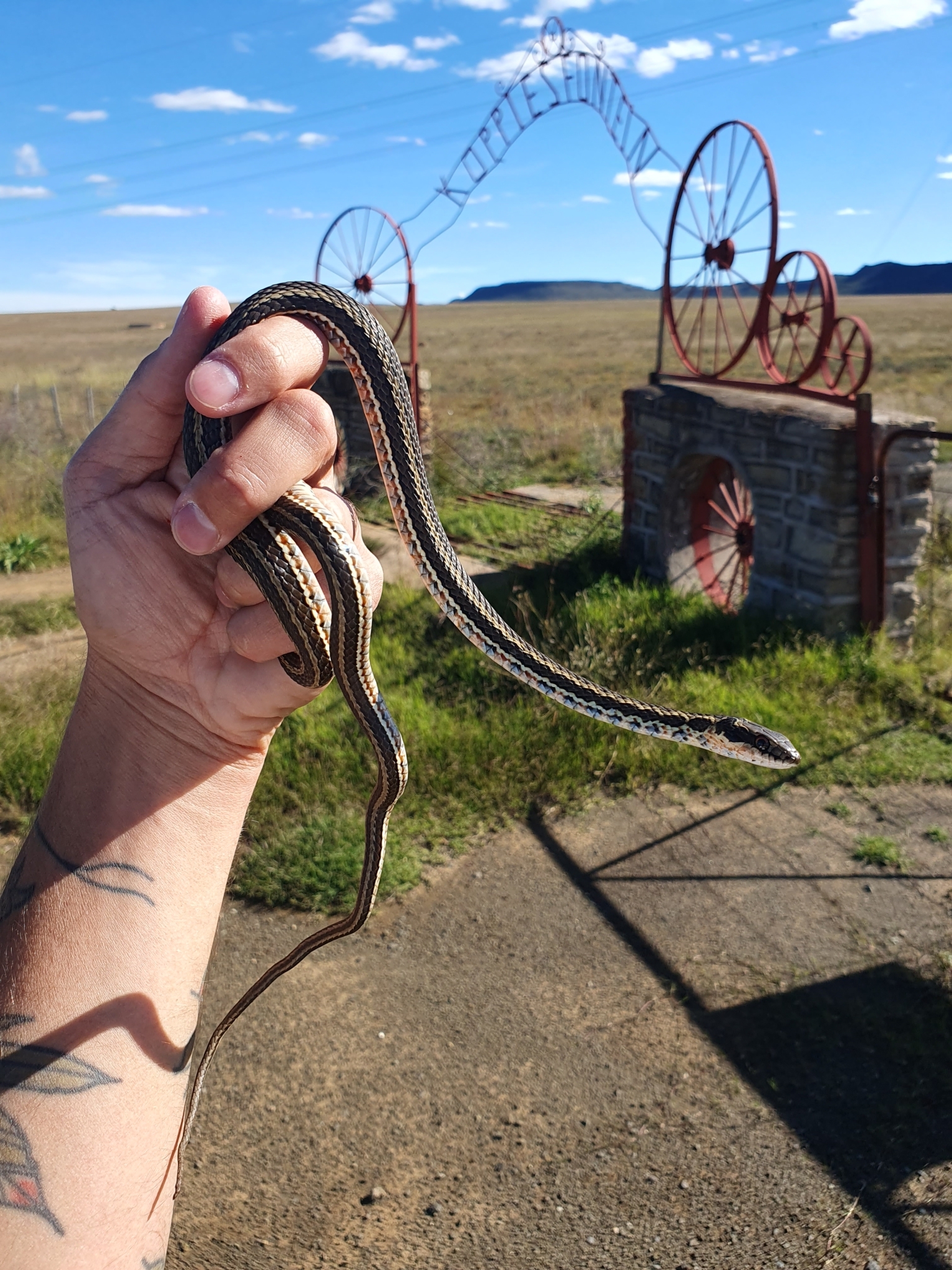
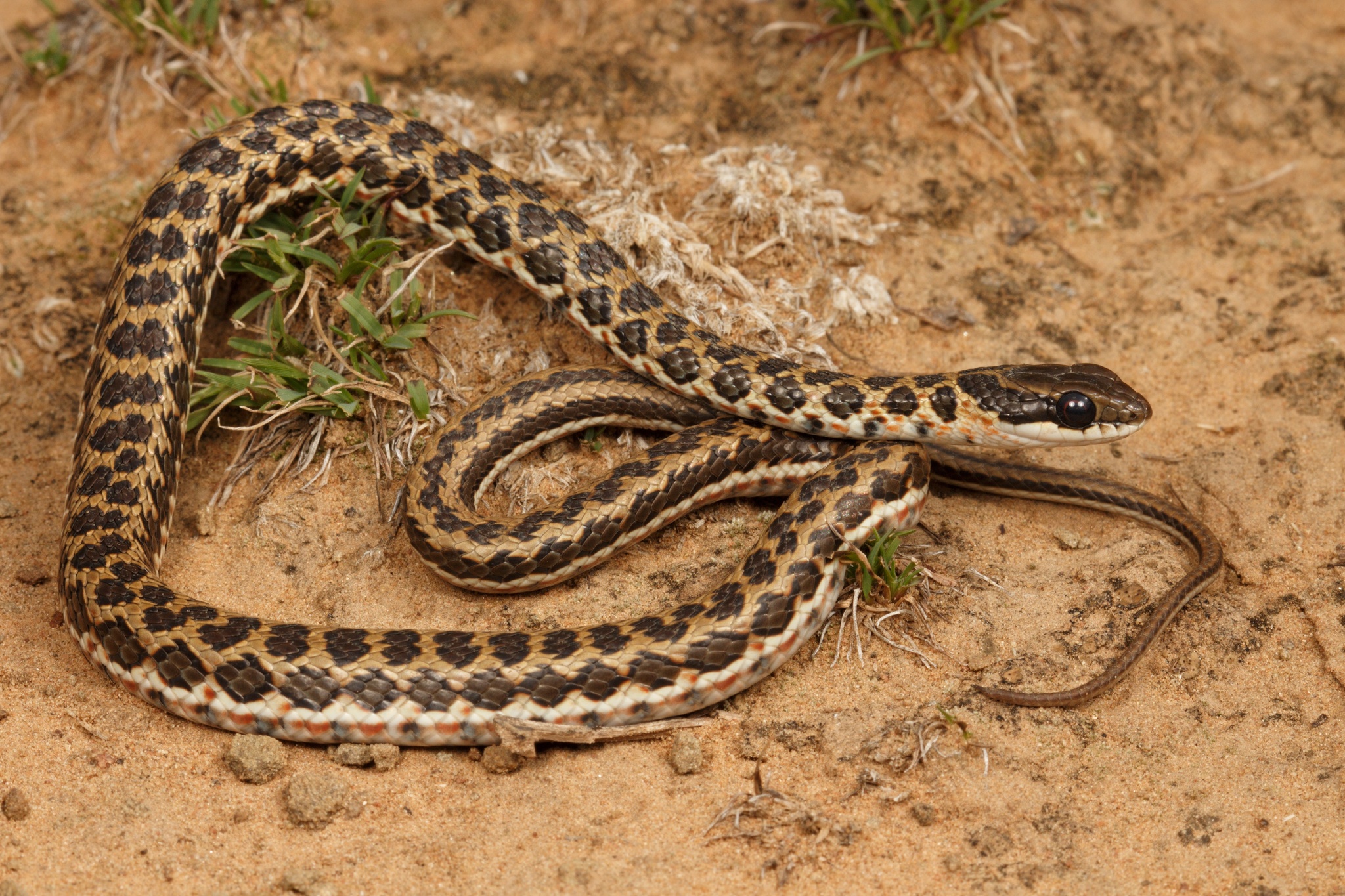
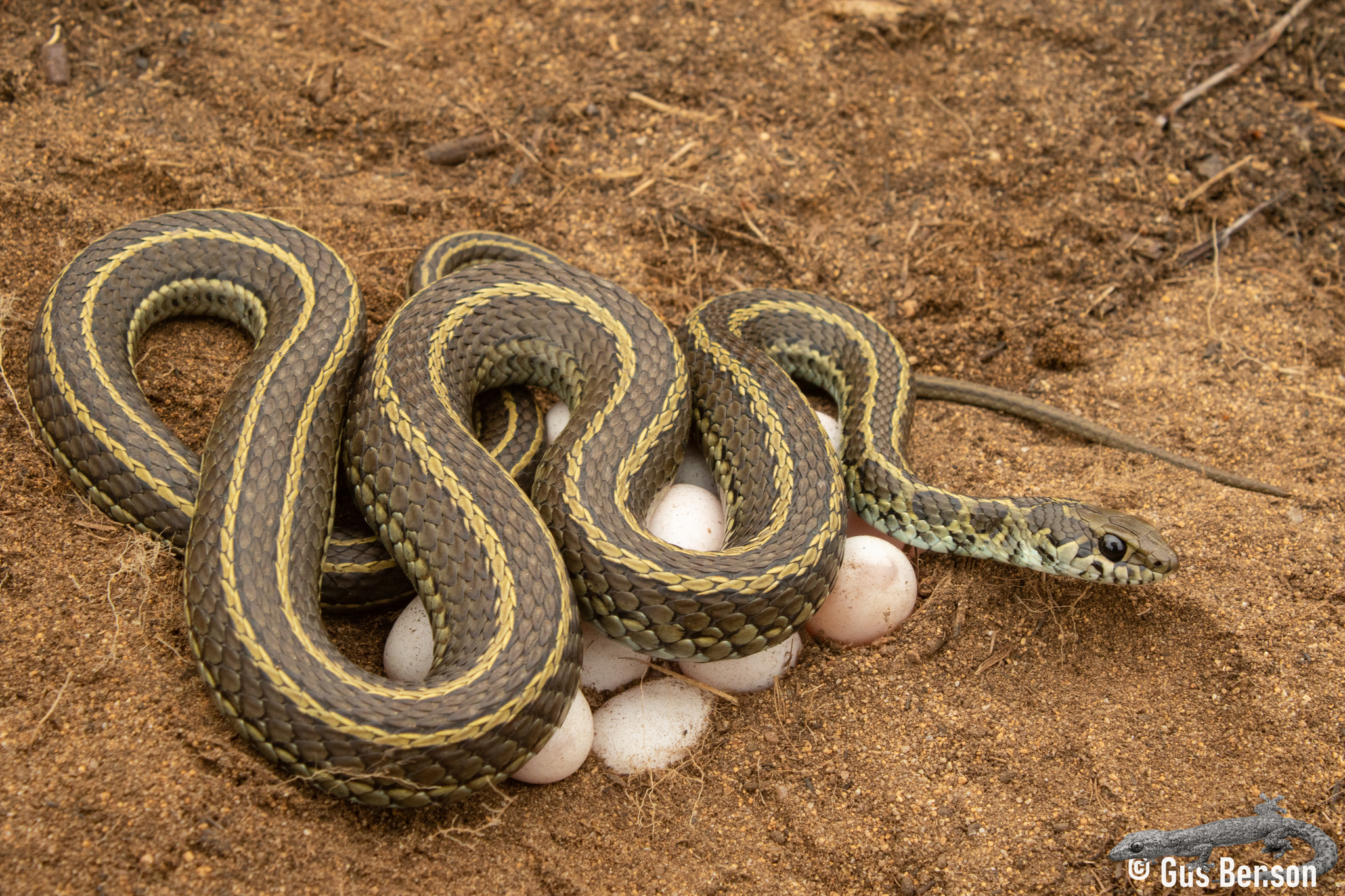
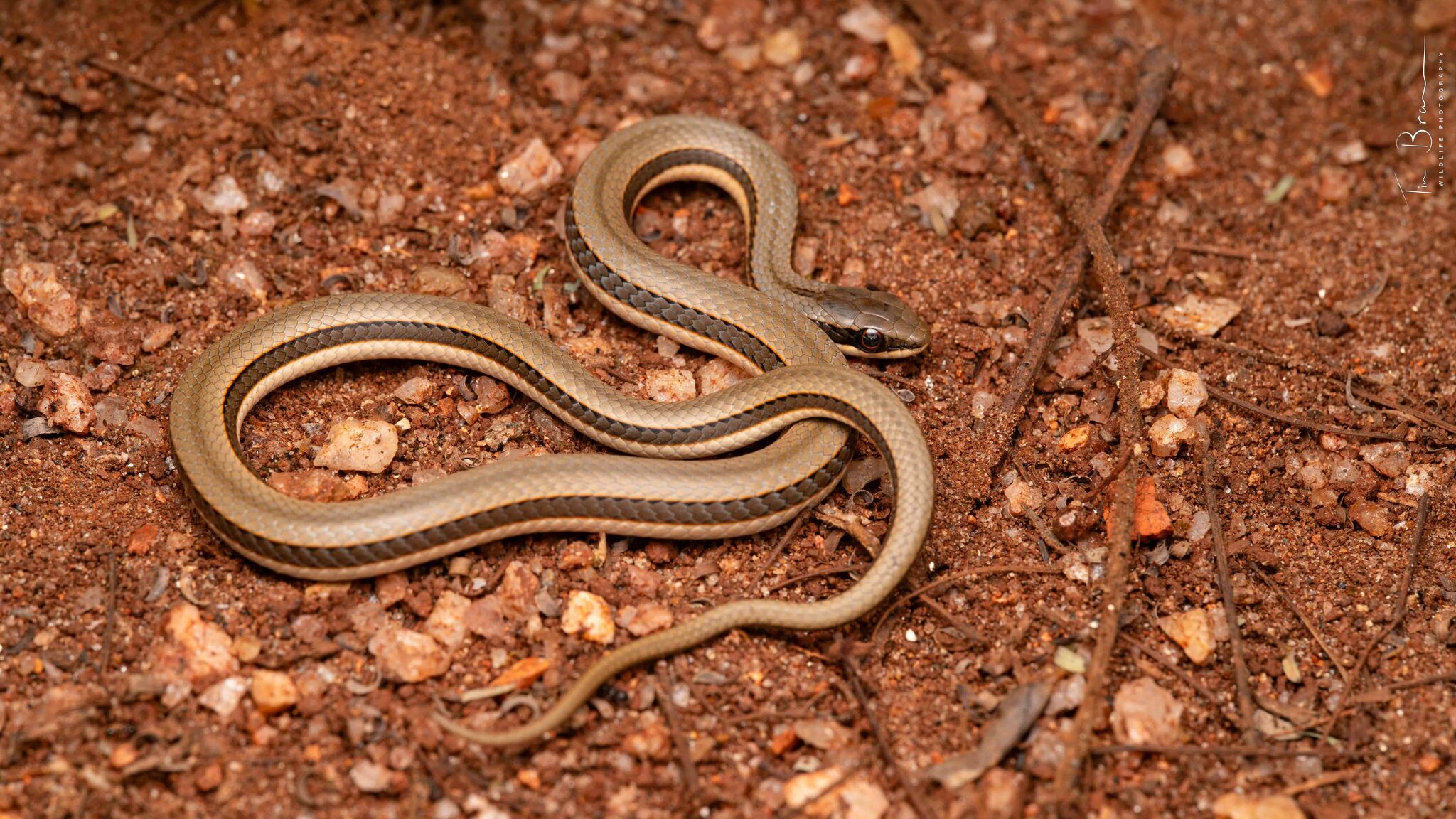
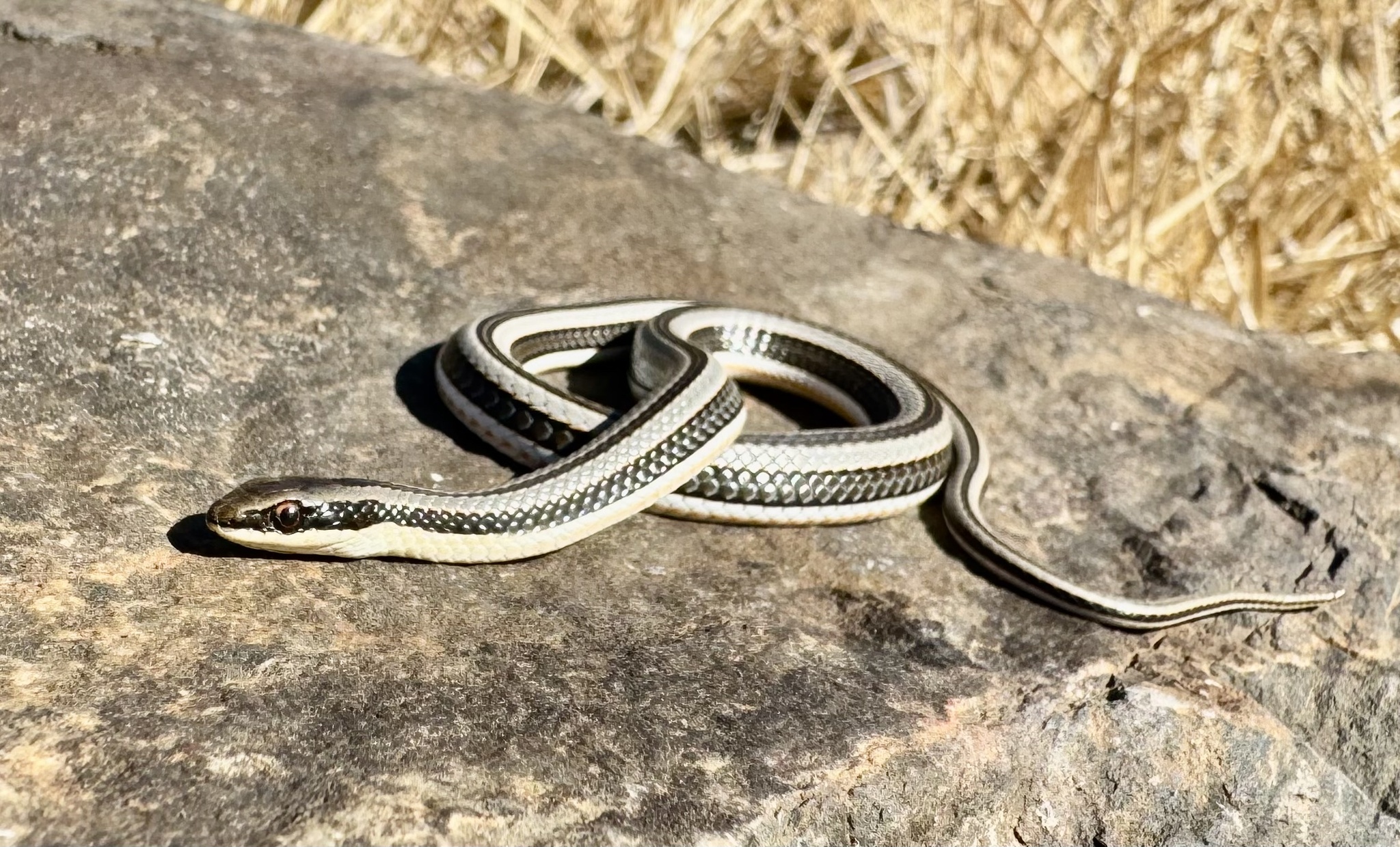
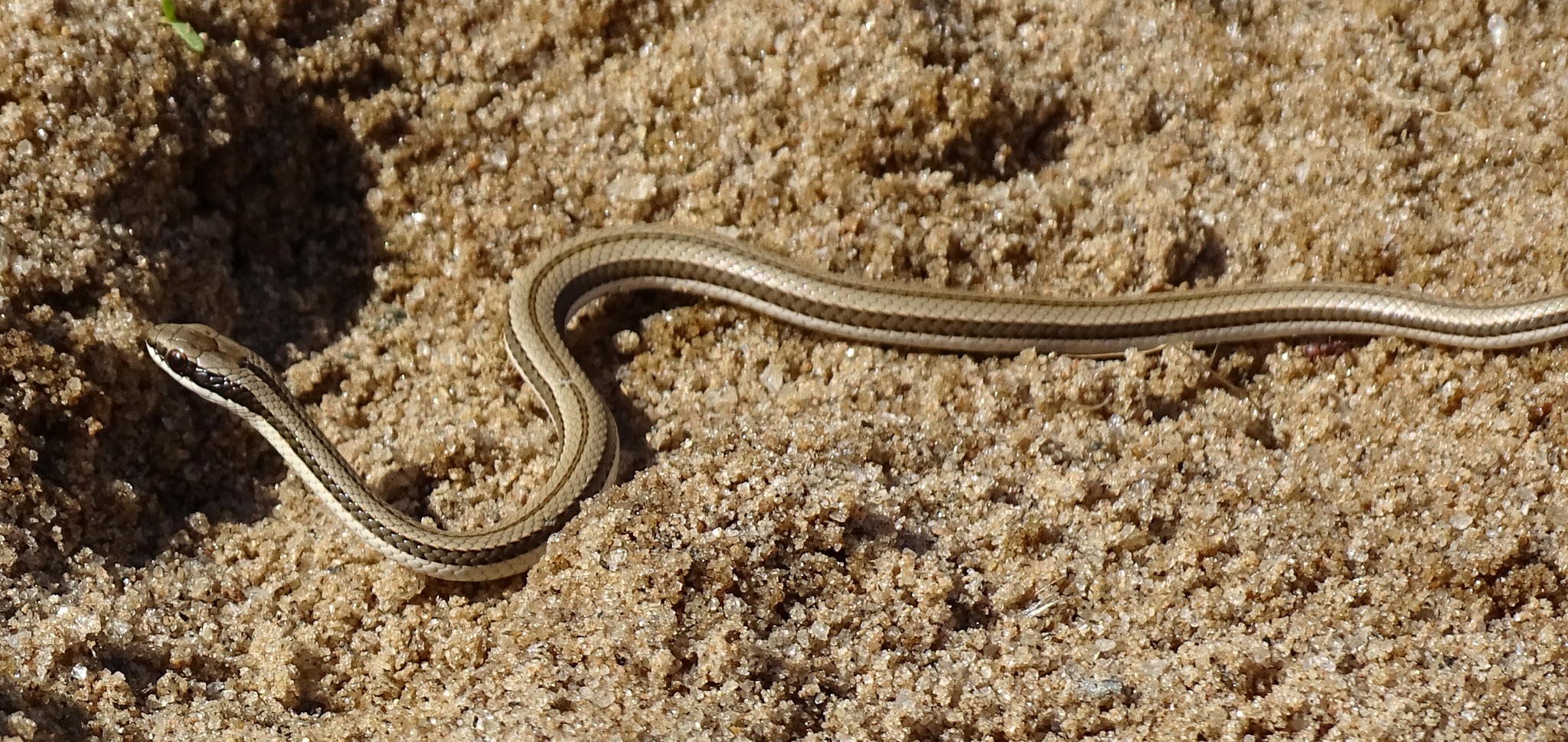
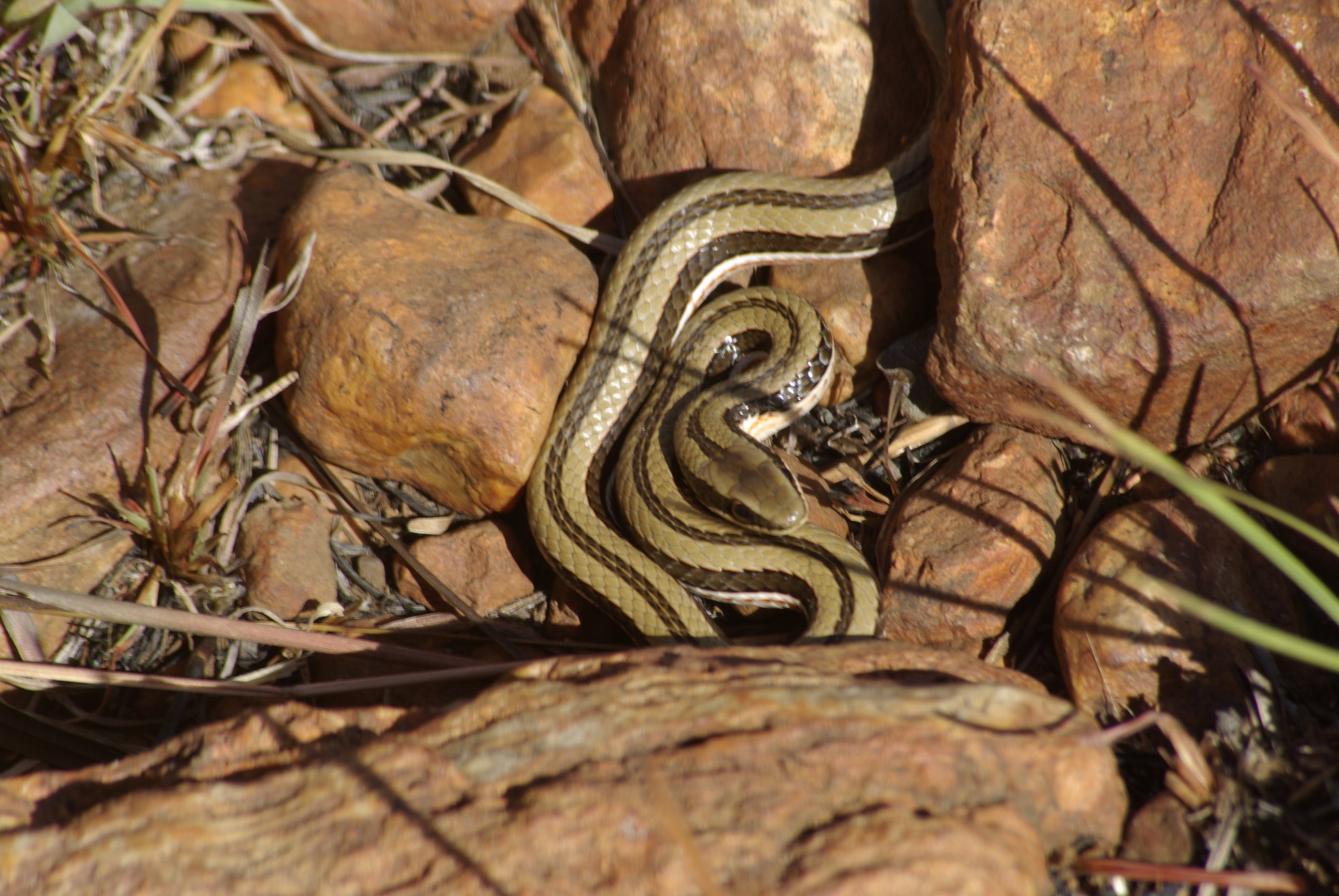
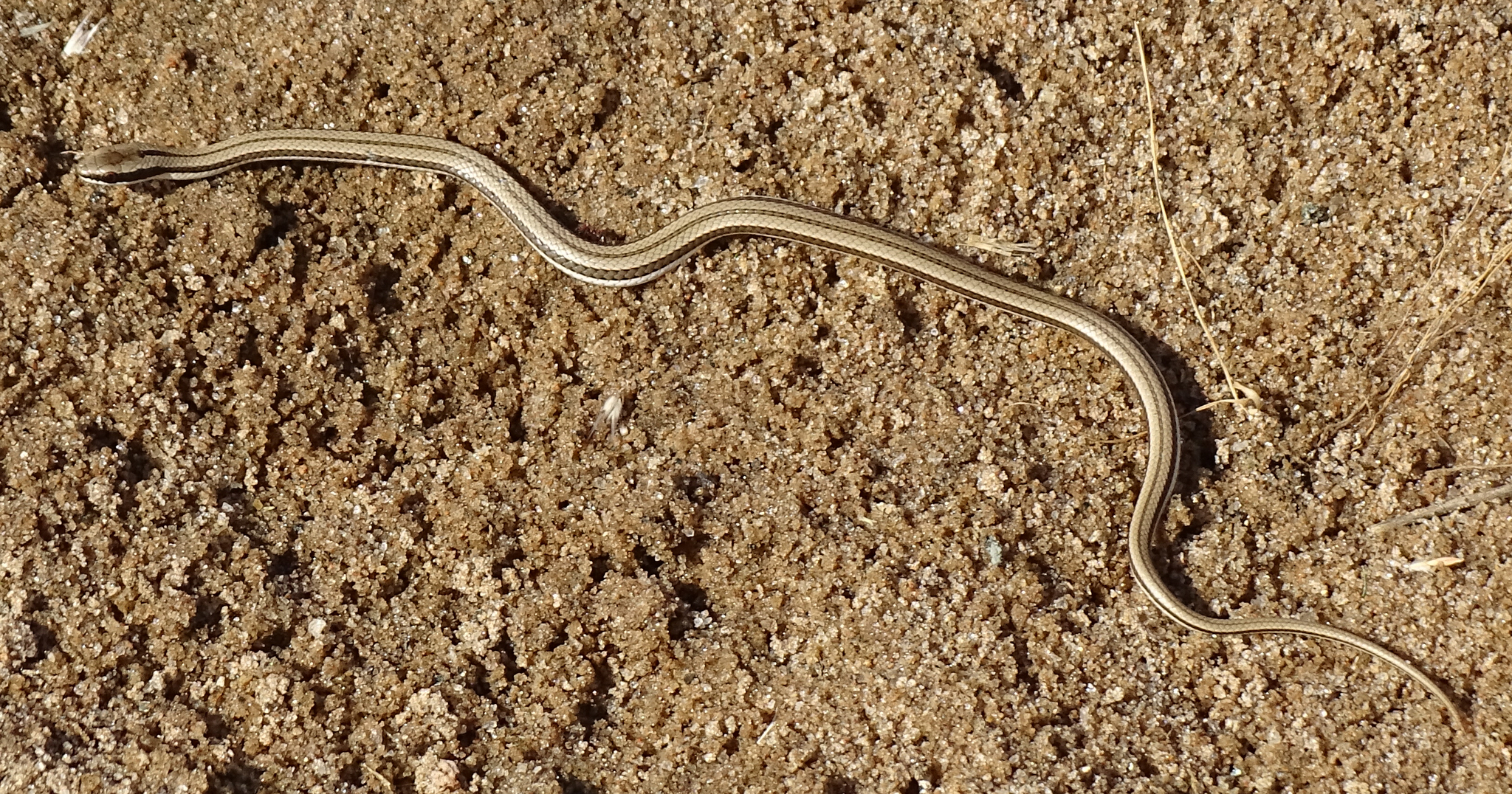
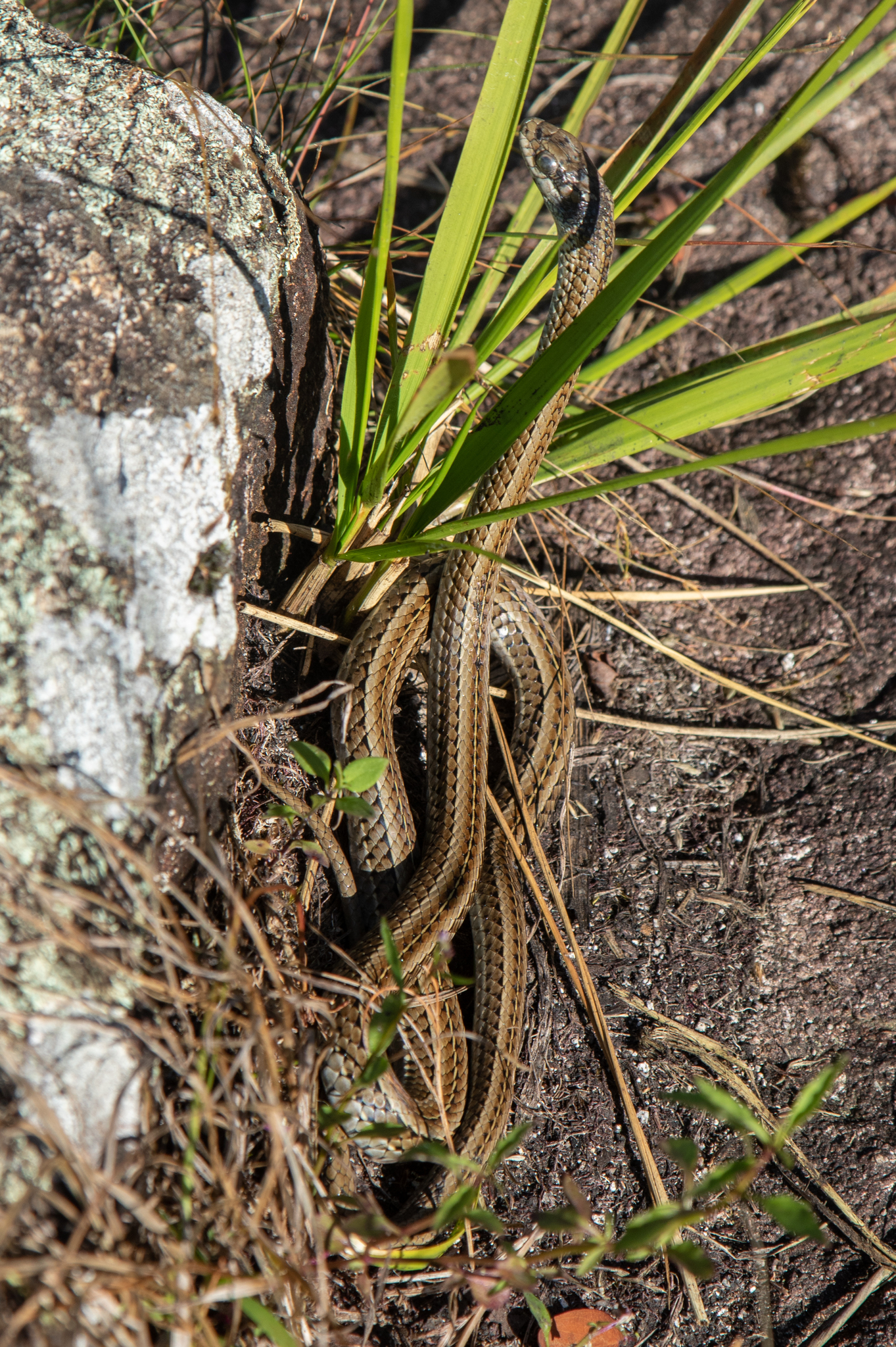
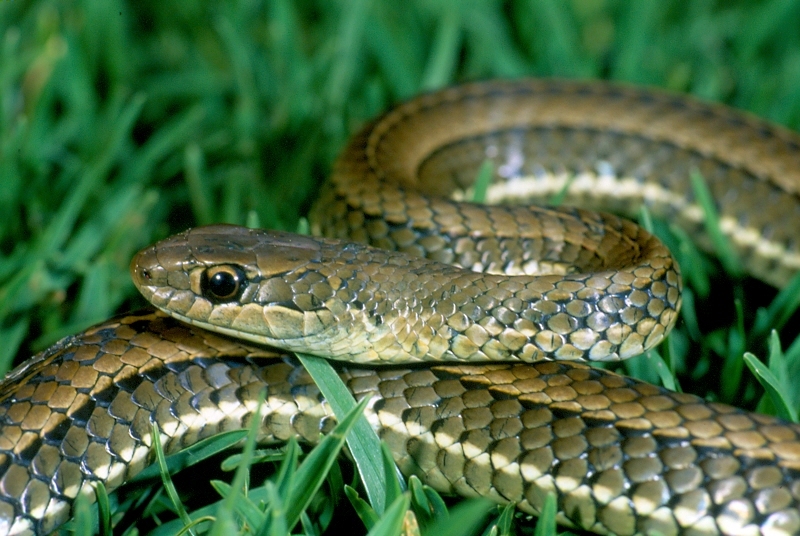
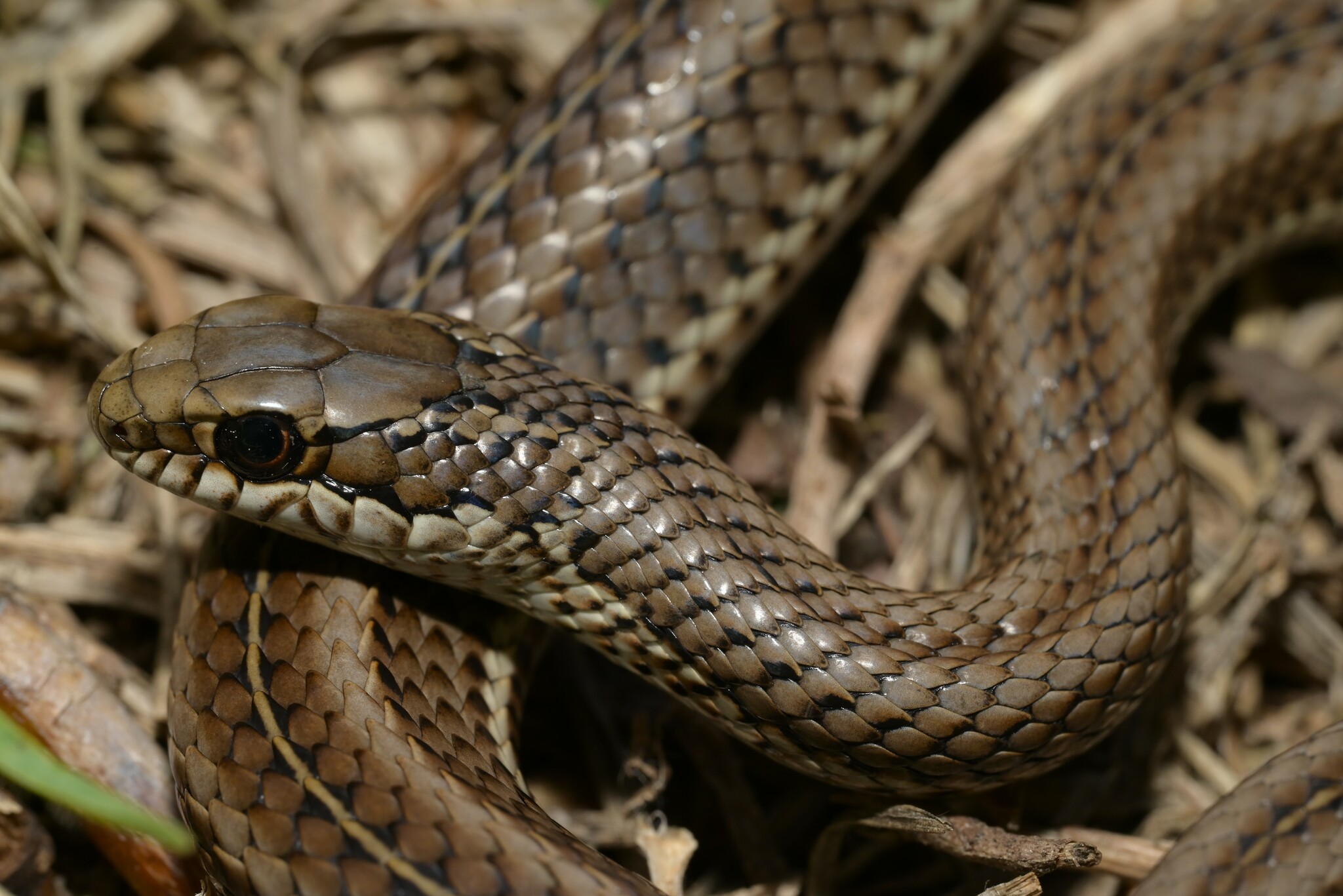
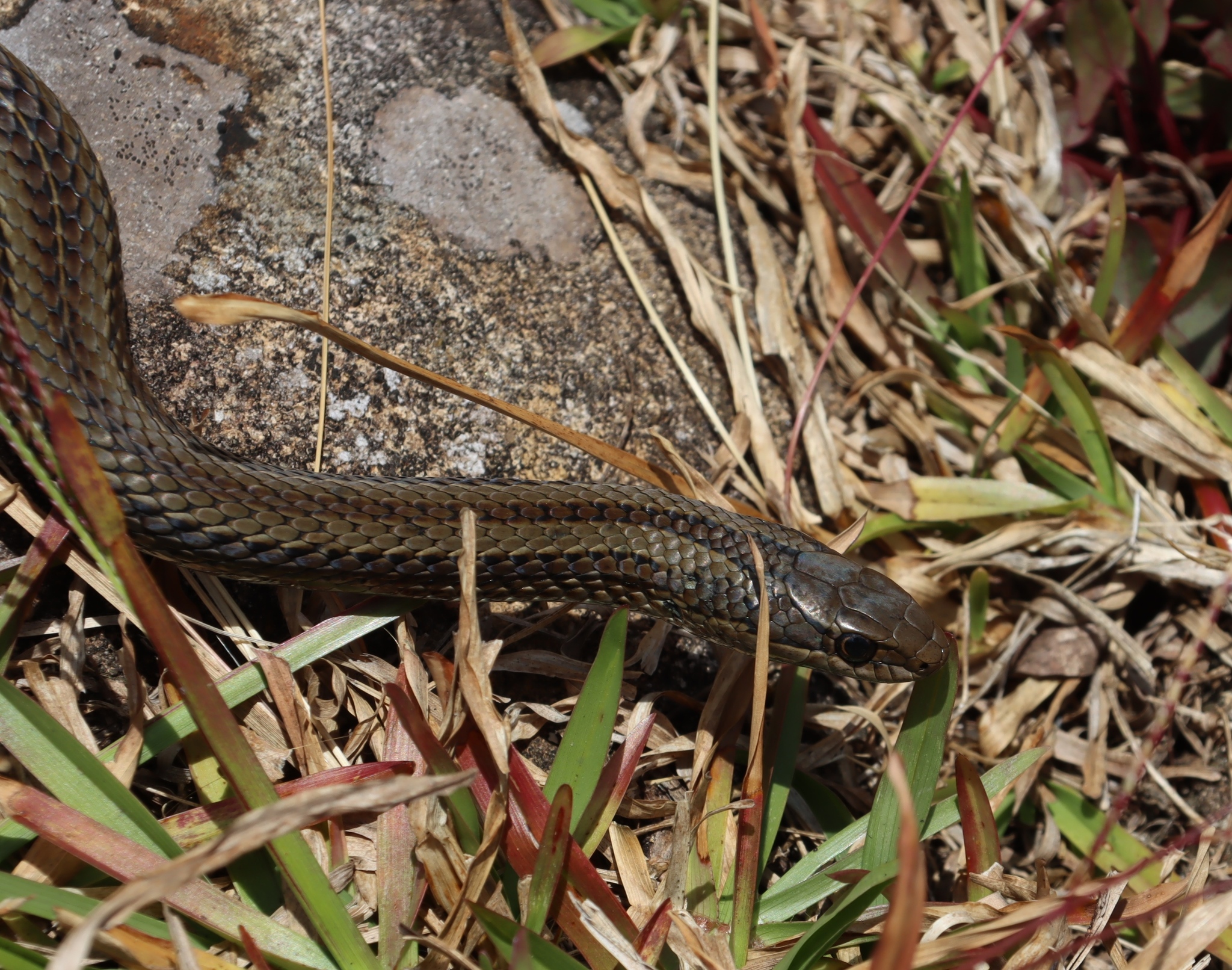
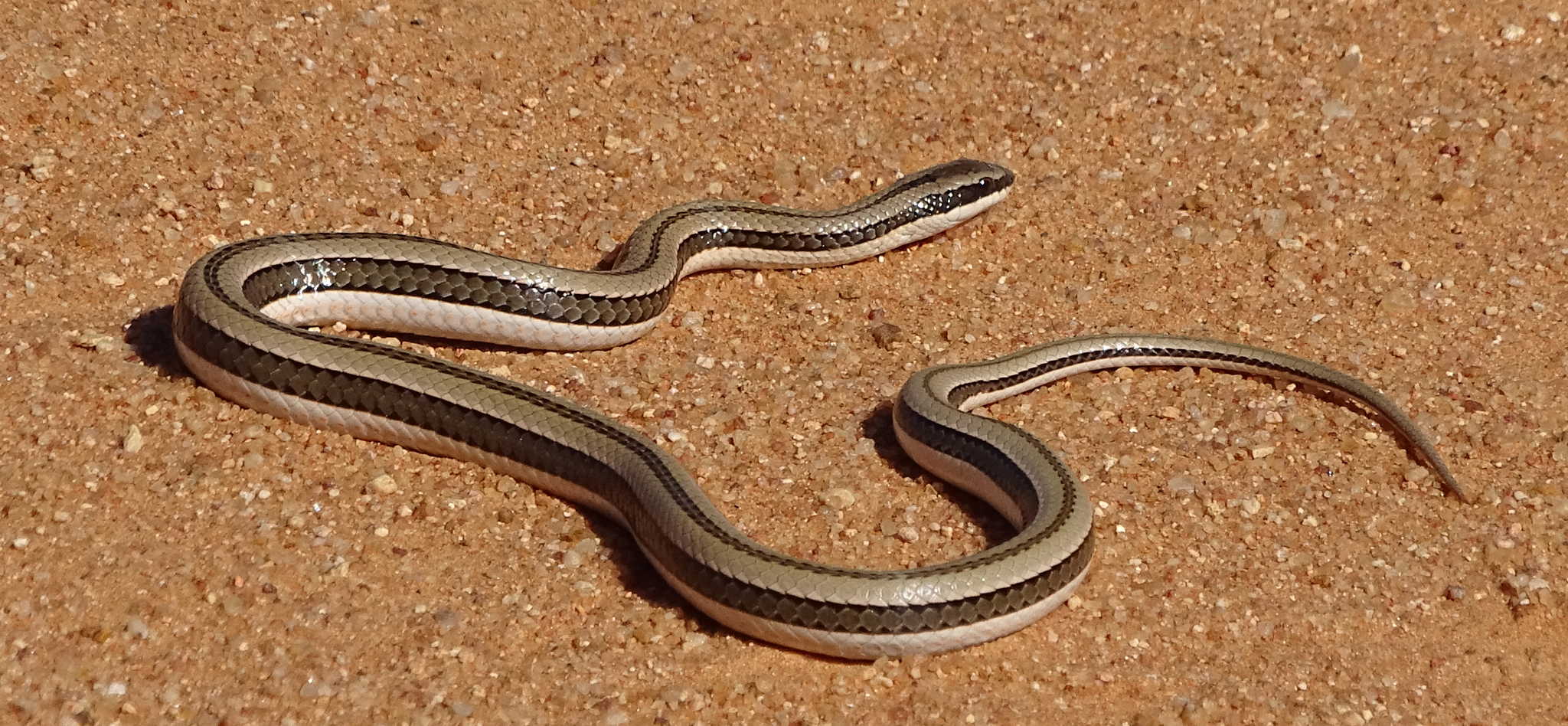
Description: As its name suggests, P. tritaeniatus is characterized by three distinct dark brown longitudinal stripes running along its body, from the tip of the nose to the tip of the tail – typically a thinner vertebral stripe along the spine, with thicker stripes on the sides. The background color can vary but is often light-brownish or greyish. Striped Skaapstekers tend to be slightly smaller and more slender than P. rhombeatus.  

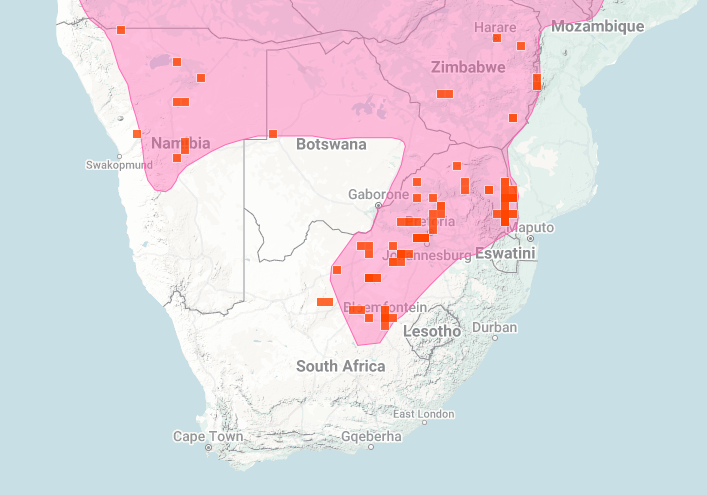
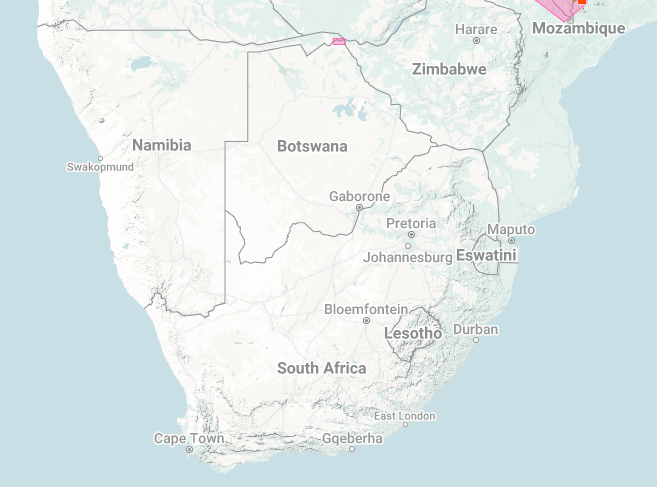
Distribution: This species has a more restricted distribution compared to the common skaapsteker, primarily found in parts of Zimbabwe, Mozambique, and the northeastern regions of South Africa, NE Namibia, N Botswana, Zimbabwe, NE Republic of South Africa, Angola, S Tanzania, Zambia, Malawi, S Democratic Republic of the Congo (Zaire), Zambia, Mozambique.

Habitat: Favors grasslands, dry and moist savannas, and open woodlands. They are often associated with areas of higher grass cover compared to P. rhombeatus.

Behavior & Diet: Similar to P. rhombeatus, they are diurnal and generally non-aggressive. Their diet also mainly comprises lizards, rodents, and other small vertebrates found in their grassland and savanna habitats.

The Grey-bellied Skaapsteker

Psammophylax variabilis

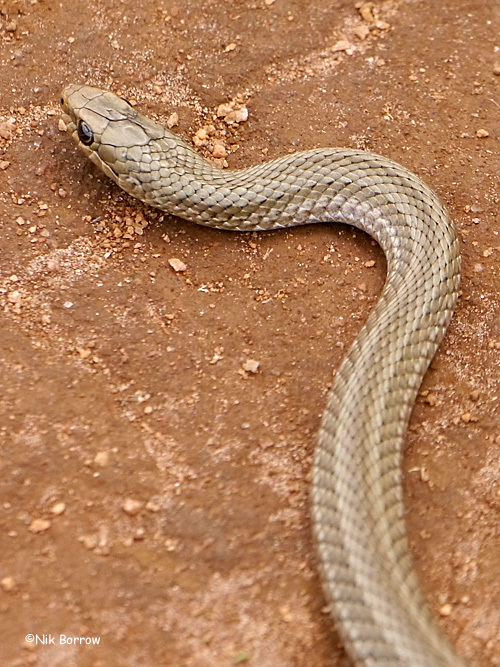
Description: This species base colors ranges from olive-brown to grey. The markings, when present, are often vague and less defined than the rhombic patterns of P. rhombeatus. They are typically slender-bodied snakes of moderate length.

Distribution: In Southern Africa, Psammophylax variabilis is found in floodplain grasslands along the Chobe River in Caprivi, Namibia and adjacent Okavango floodplains of Botswana. It is found in grasslands and grassland savanna further up into Africa in N/S Democratic Republic of the Congo (Zaire), Tanzania, Burundi, Rwanda, Uganda, Kenya, Ethiopia, Malawi, Zambia, Mozambique.

Habitat: Occupies a variety of habitats, including grasslands, savannas, but attracted to wetlands and floodplains. Their adaptability allows them to thrive in slightly different ecological niches within their range.

Behavior & Diet: Diurnal and generally non-aggressive. Their diet is similar to the other skaapsteker species, consisting mainly of lizards, rodents, and other small vertebrates common in their respective habitats.


Skaapstekers – The Shared Misconception and Mild Venom:

Despite the variations in appearance and distribution, all three of these Psammophylax species share the common name “skaapsteker” and the associated, largely inaccurate, reputation for being dangerous to livestock. All are rear-fanged (opisthoglyphous) snakes with a mild venom that poses little to no threat to humans or large animals. Their fangs are small and located at the back of the mouth, making effective envenomation of larger prey difficult. Any bite is typically defensive and results in localized symptoms, if any.  

Ecological Significance:

These skaapsteker species play important roles in their respective ecosystems as predators of small vertebrates, helping to control populations of lizards and rodents. They, in turn, serve as prey for larger predators such as birds of prey and larger snakes.

Conservation Status:

Currently, all three species (P. rhombeatus, P. tritaeniatus, and P. variabilis) are generally considered to have stable populations and are listed as “Least Concern” by the IUCN. Their wide distribution and adaptability contribute to their healthy conservation status.

Conclusion:

The skaapstekers of Southern Africa represent a fascinating group of snakes with distinct characteristics and ecological roles. While the shared common name and historical misconception of their danger persist, understanding the differences between the common, striped, and grey-bellied skaapstekers reveals the biodiversity within this genus. These non-aggressive snakes with their mild venom are integral parts of the Southern African landscape, contributing to the balance of their diverse habitats. Recognizing their true nature helps foster a greater appreciation for the region’s rich herpetofauna.

Striped Skaapsteker (Psammophylax tritaeniatus) from Otjozondjupa Region, Namibia © Peter Erb

Thank you for reading our article on Skaapstekers of Southern Africa

Products & Courses