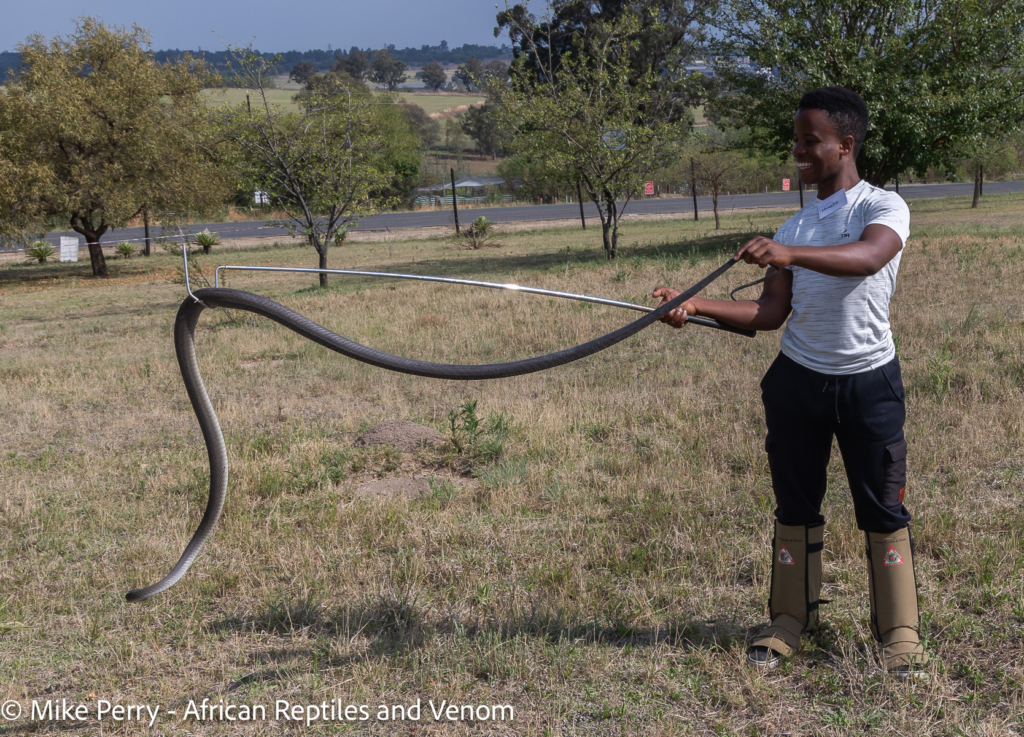
The Cape File Snake
Southern Africa’s Friendly Snake Eater
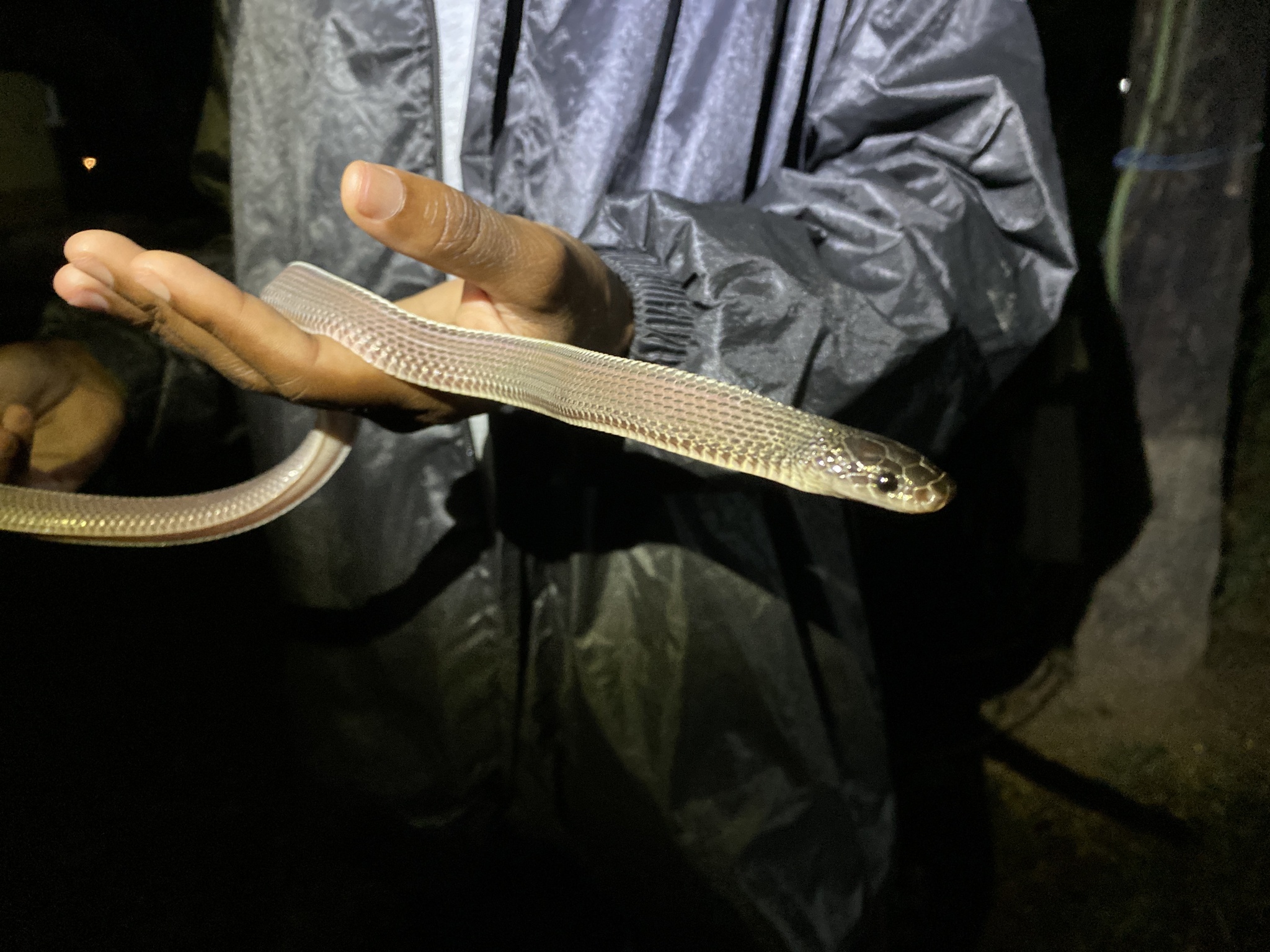
The Cape File Snake (Limaformosa capensis)—frequently referred to as the Common File Snake—is one of Southern Africa's most distinctive yet misunderstood non-venomous reptiles. Known for its unique body shape, coarse scales, and calm temperament, this nocturnal hunter plays a vital ecological role by preying on other reptiles, including venomous snakes.
Formerly classified under the genus Mehelya (Mehelya capensis), taxonomists reclassified the species first to Goniotophis capensis and then to Limaformosa capensis following extensive phylo-genetic revisions of African file snakes in the family Lamprophiidae.
Key Identifiers & Physical Appearance
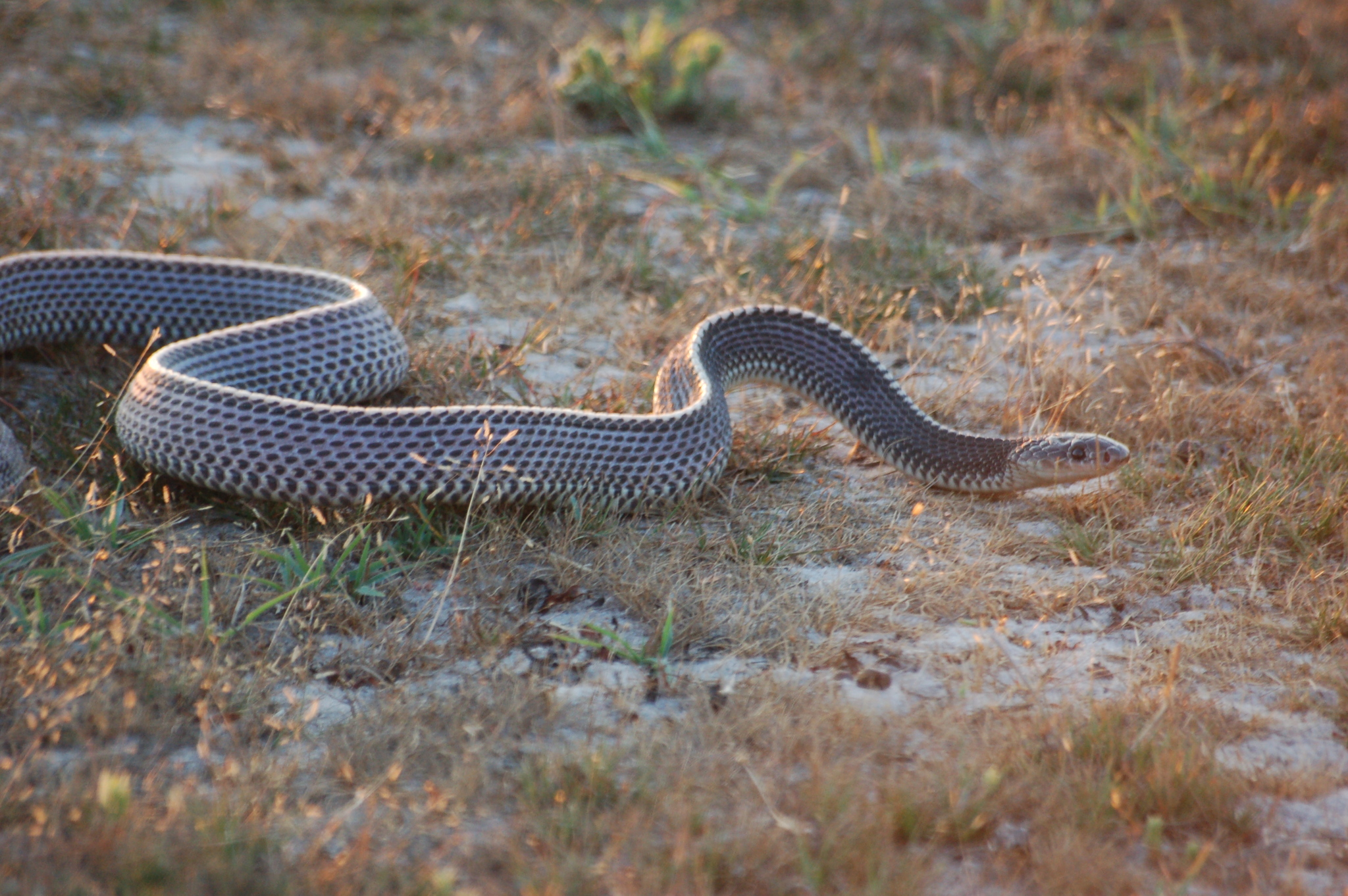
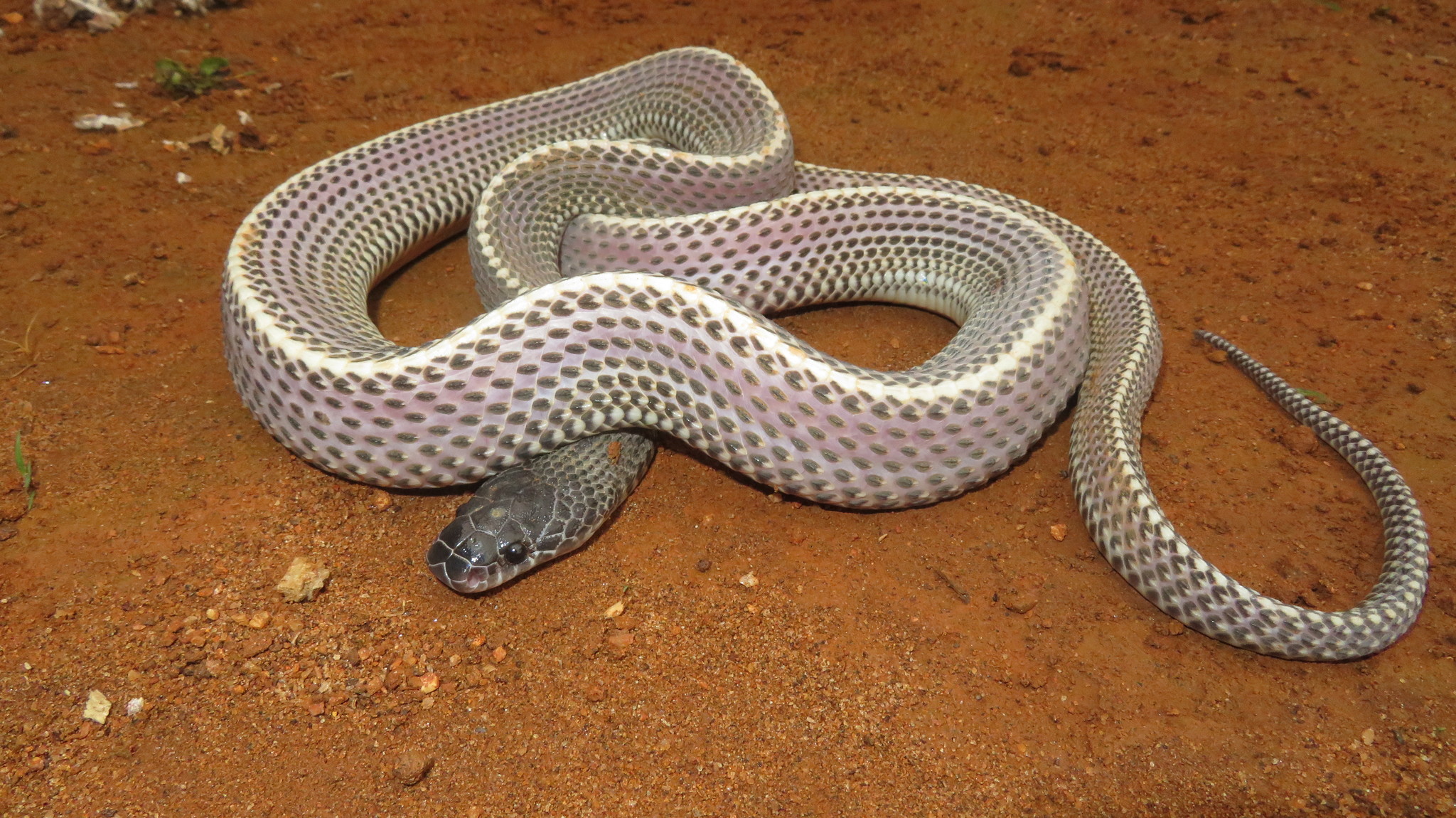
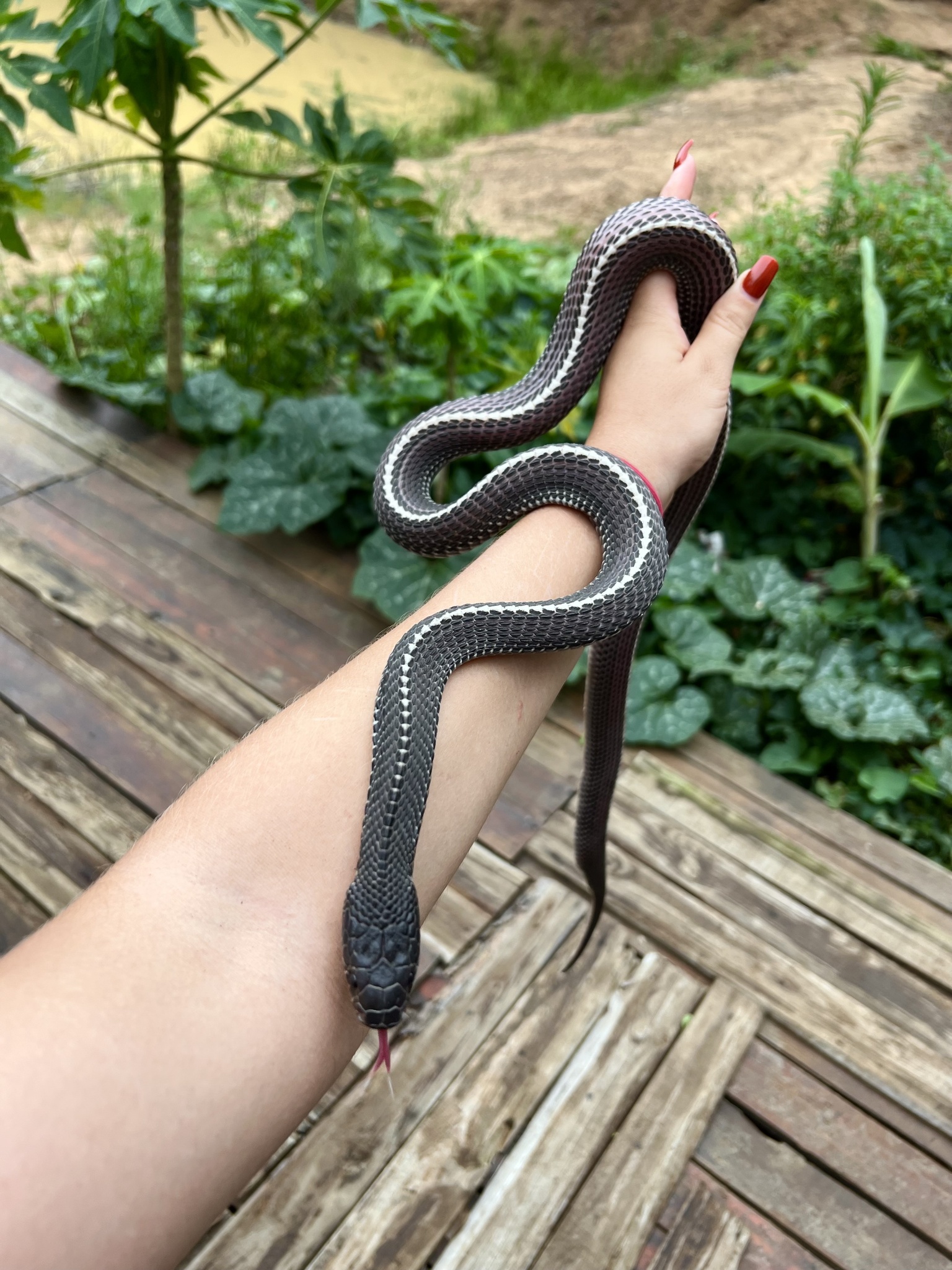
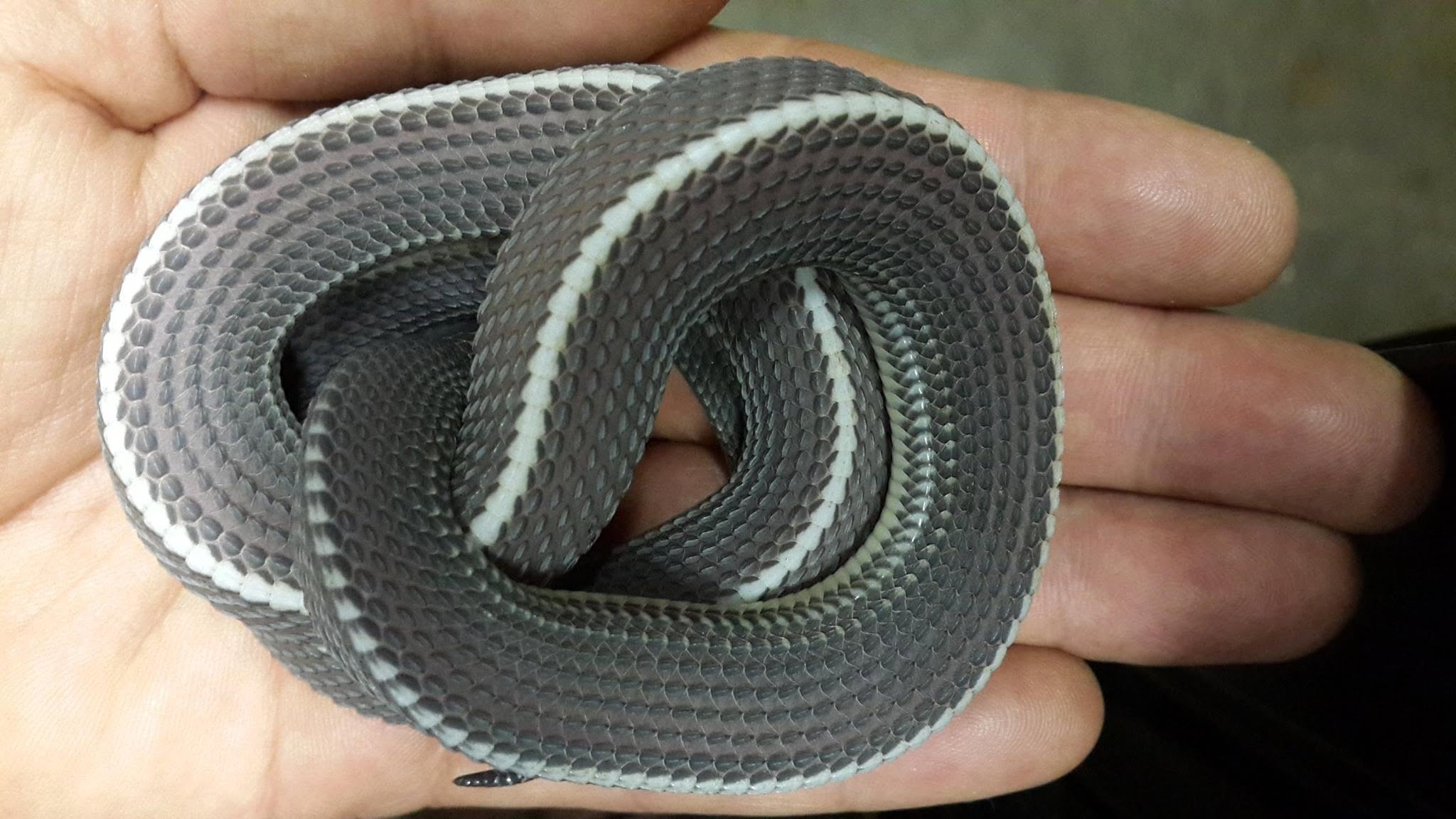
The Cape File Snake derives its common name from the rough, file-like texture of its scales and its triangular body cross-section.
- Distinctive Shape: Its body is noticeably triangular in cross-section with a prominent white, ridged, vertebral column.
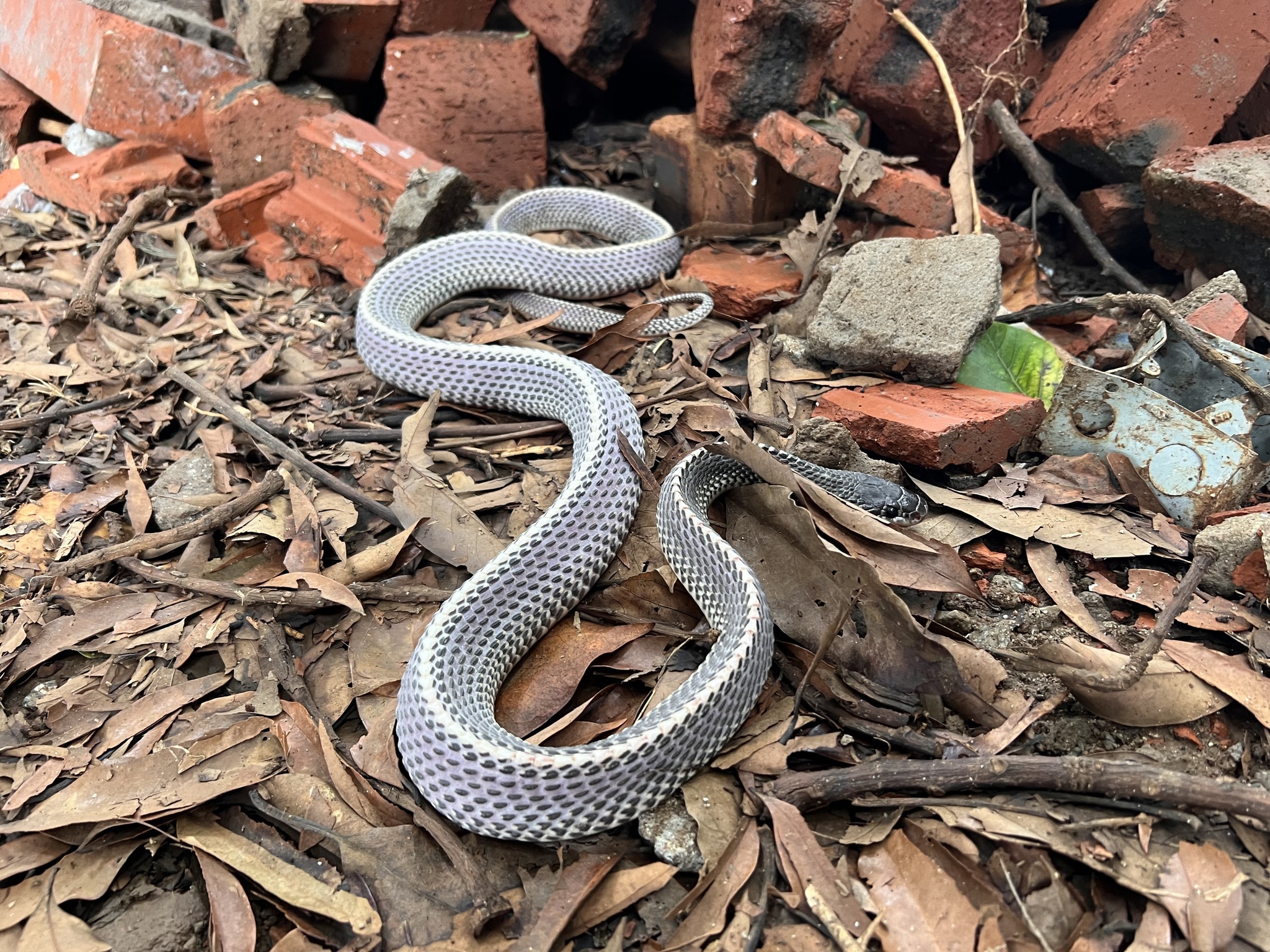
- Scales & Texture: The dorsal scales are strongly keeled, with secondary keels and visible pinkish-purple skin exposed between individual scales. Scale rows typically count 15 at mid-body and 17 near the neck.
- Coloration: Dorsal color ranges from grey to dark olive or purple-brown, accented by a striking white-to-yellow line running down the spine from head to tail. The ventral belly scales are ivory-white to cream.
- Size: Adults average 120 cm (3.9 ft) in length, though exceptional specimens can reach up to 165 cm (5.4 ft).
- Head Morphology: A noticeably flattened head equipped with relatively small eyes.

Distribution and Habitat
The Cape File Snake boasts a wide geographic range across Sub-Saharan Africa.
- Geographic Range: Common throughout Southern and Eastern Africa, extending from KwaZulu-Natal (South Africa) northward through Zimbabwe, Mozambique, Namibia, Botswana, and into East Africa.
- Preferred Ecosystems: Inhabits savanna, coastal forest, shrubland, and semi-arid woodland from sea level up to 1,500 meters.
- Behavioral Niche: Highly secretive and predominantly subterranean or crepuscular/nocturnal. It spends much of the day hidden under fallen logs, inside termitaria, or within abandoned mammal burrows.
Diet & Ophiophagy: The Snake Eater
While Limaformosa capensis is completely non-venomous and harmless to humans, it is a specialized predator of other snakes—a dietary habit known as ophiophagy.


Primary Prey Items
- Venomous & Non-Venomous Snakes: Recorded prey items are too many to list but included Puff Adders (Bitis arietans), Mozambique Spitting Cobras (Naja mossambica), Night Adders (Causus spp.), Southern African Python (Python natalensis) and Black Mamba (Dendroaspis polylepis)
- Lizards & Frogs: Supplements its diet with skinks, agamas, and amphibians.
- Rodents: Occasionally consumes small mammals.
Research indicates that file snakes possess a high degree of natural immunity or resistance to cytotoxic and neurotoxic venoms. When hunting, the snake tracks scent trails along the ground, overpowers its prey using its strong jaw muscle structure, and constricts the target before swallowing it headfirst.
Defense Mechanisms & Temperament
Despite its ability to overpower highly dangerous snakes, the Cape File Snake displays an extraordinarily calm, non-aggressive behaviour.
- Bite Reluctance: It almost never attempts to strike or bite when encountered or handled.
- Primary Defenses: If threatened, its main defensive tactic is coiling tightly to shield its head or discharging a foul-smelling musk from its cloaca.
- Cultural Folklore: In some African regions, the file snake is historically associated with local traditional beliefs and is sometimes referred to as a "witchdoctor's snake," occasionally thought to bring good luck.
Reproduction & Lifecycle
- Mode: Oviparous (egg-laying).
- Clutch Size: Females lay 5 to 13 large eggs during early summer.
- Incubation: Eggs hatch after approximately 70 days.
- Hatchlings: Young emerge measuring roughly 39 to 42 cm in length and are fully capable of hunting small prey immediately.
Conservation Status and Ecological Value
The IUCN lists Limaformosa capensis as Least Concern (LC). However, localized populations face threats due to habitat destruction and human persecution. Because of its unusual appearance and keeled scales, it is frequently mistaken for dangerous venomous species (such as the Bush Viper or Adder family) and killed needlessly.
Educating landowners, safari operators, and local communities about the Cape File Snake is essential. Preserving this harmless species directly assists in natural snake control and may help keep venomous snake populations down near human settlements.