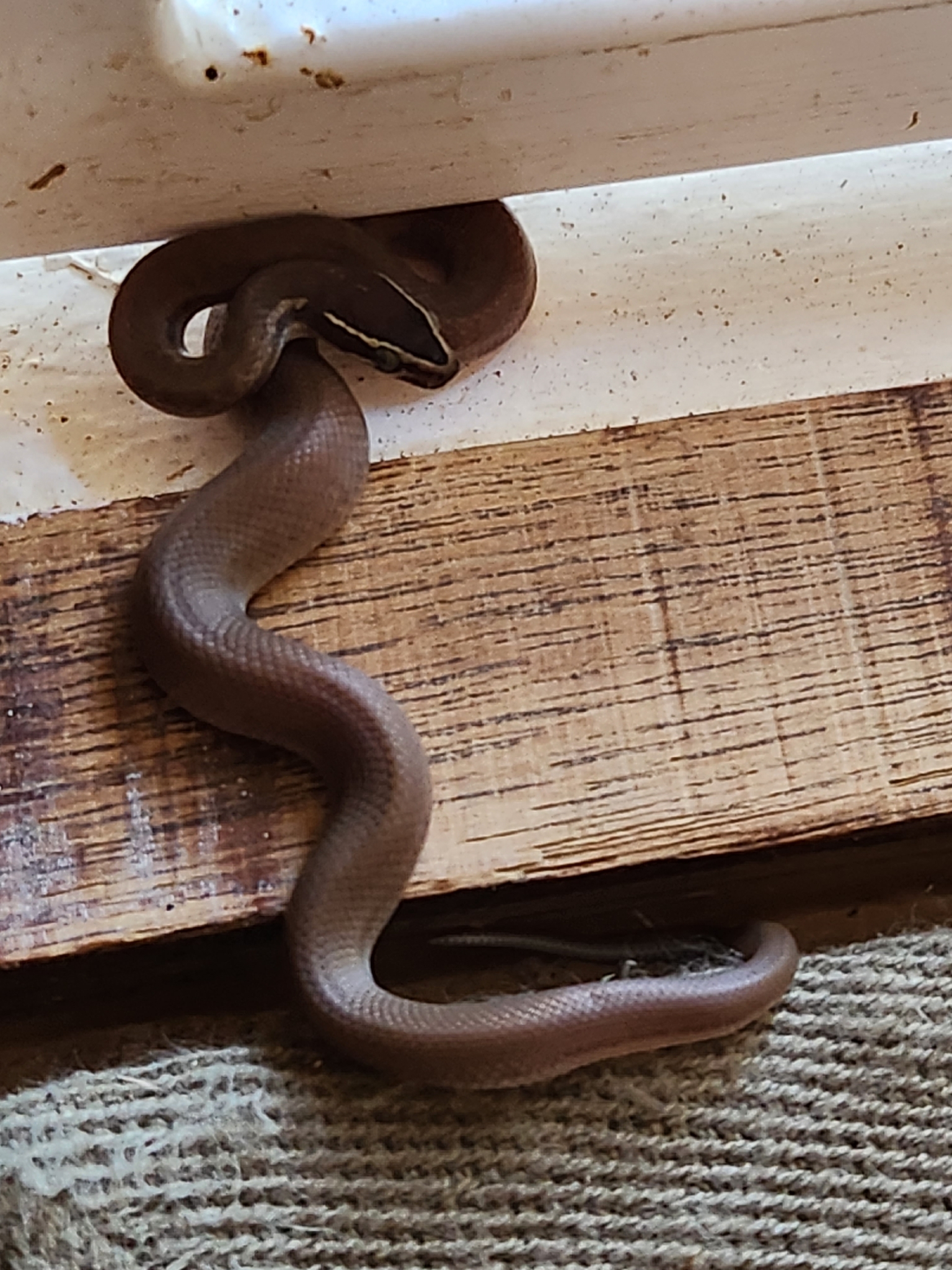
If you find a light brown or dark brown snake in your yard, near your chickens, or inside your house, your first thought might be to kill it. Many people fear that every snake is a dangerous cobra or a mamba.
But there is one very common snake that is completely harmless, does not have any venom, and is actually working for you like a free pest controller. This is the Brown House Snake. Also known as the Cape House Snake, Common House Snake, or by the official scientific name: ‘Boaedon capensis‘.
How to Spot a Brown House Snake
It is easy to misidentify snakes when you are frightened, but the House Snake has one special signature feature that tells you exactly what it is:
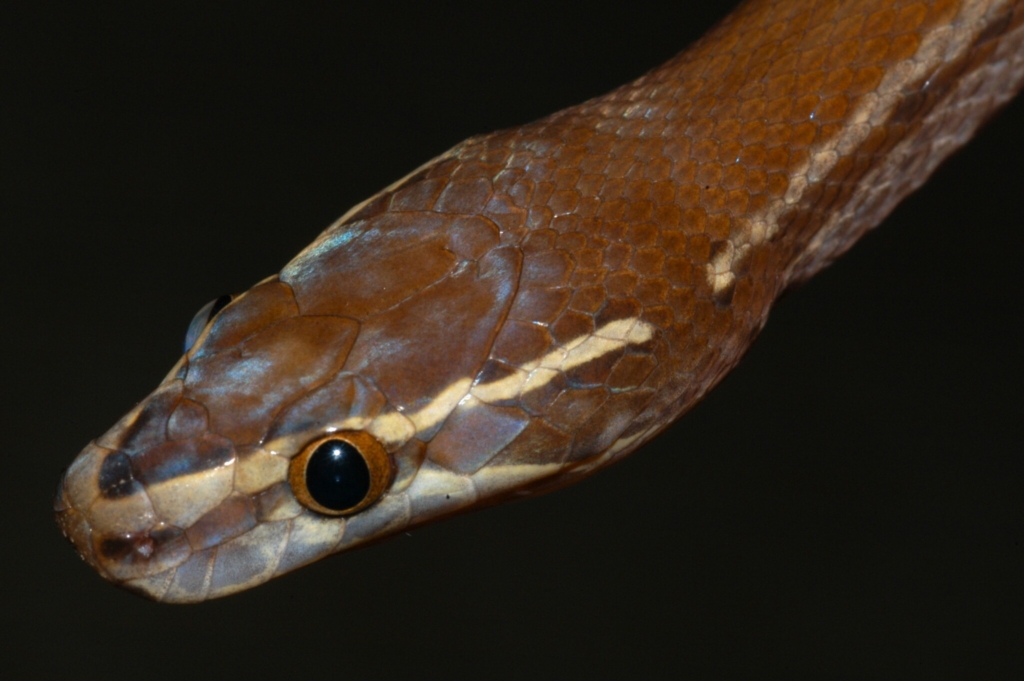
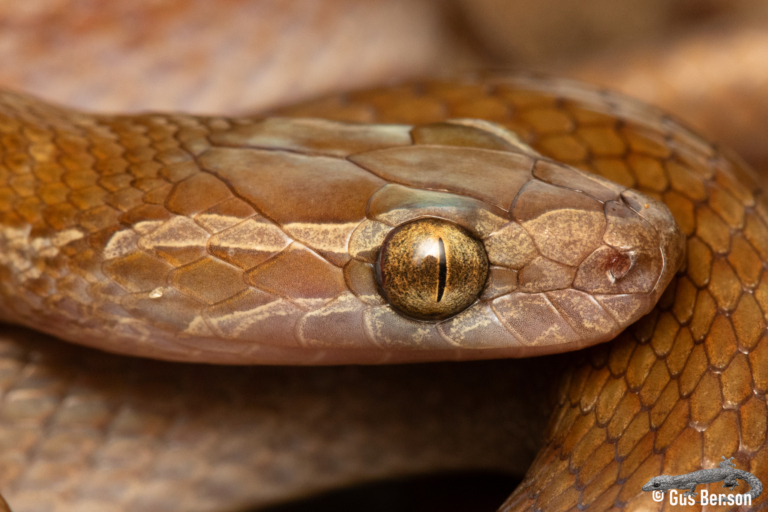
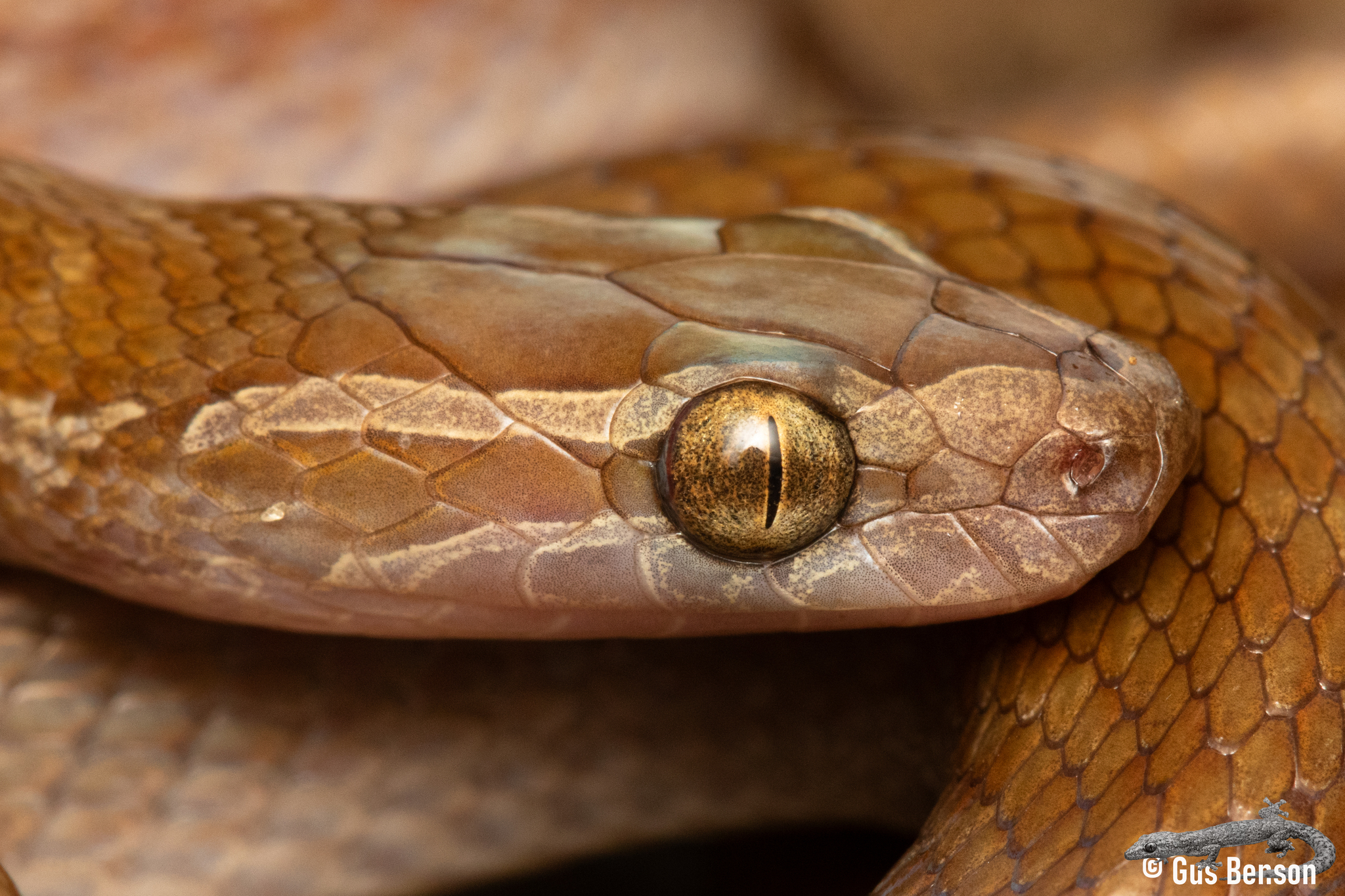
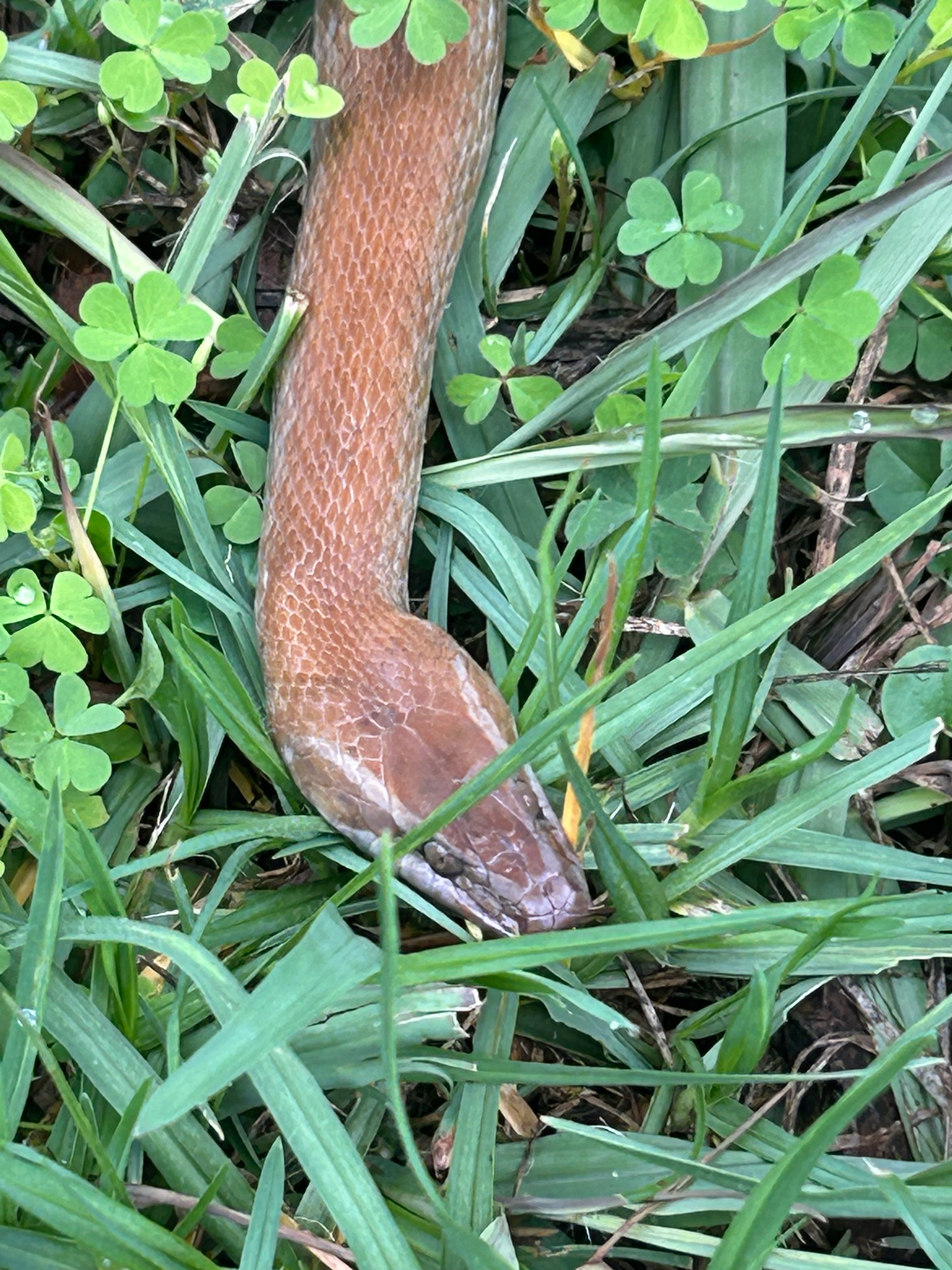
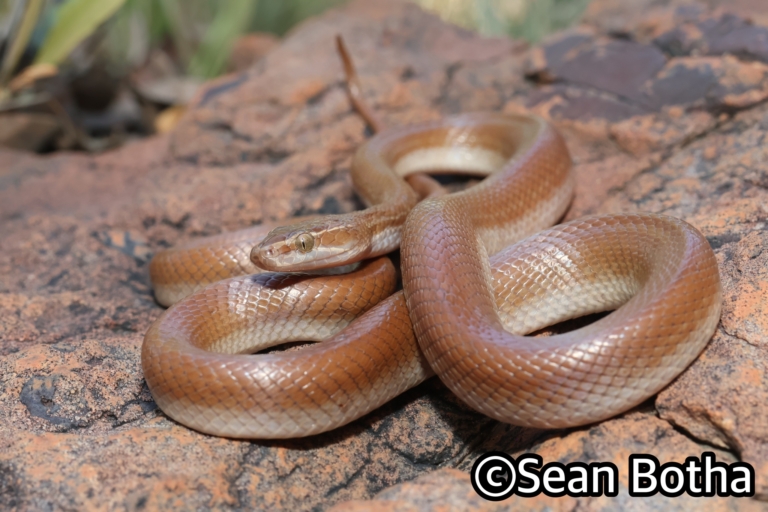
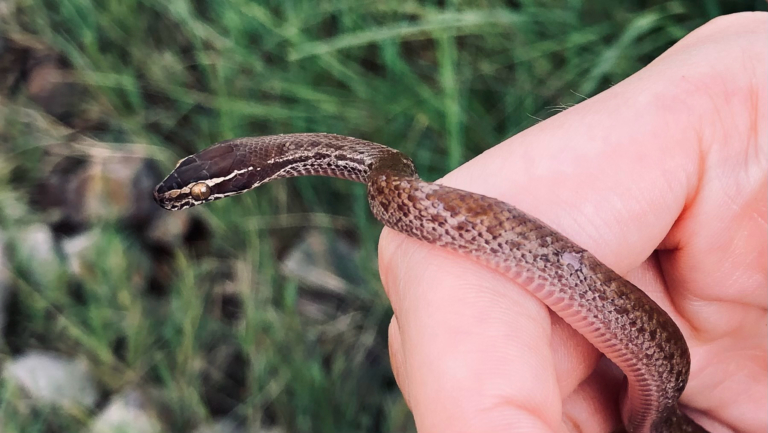
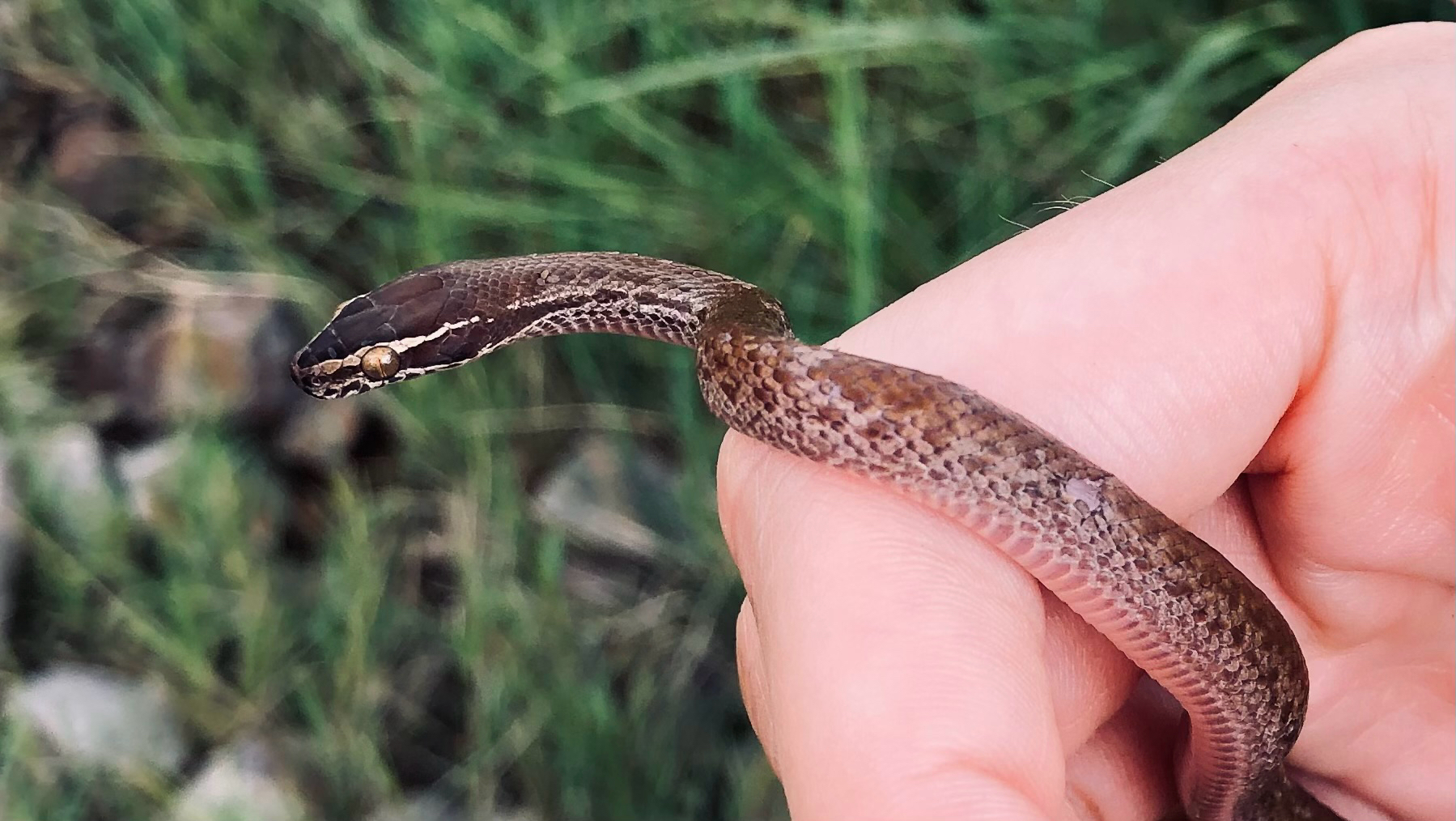
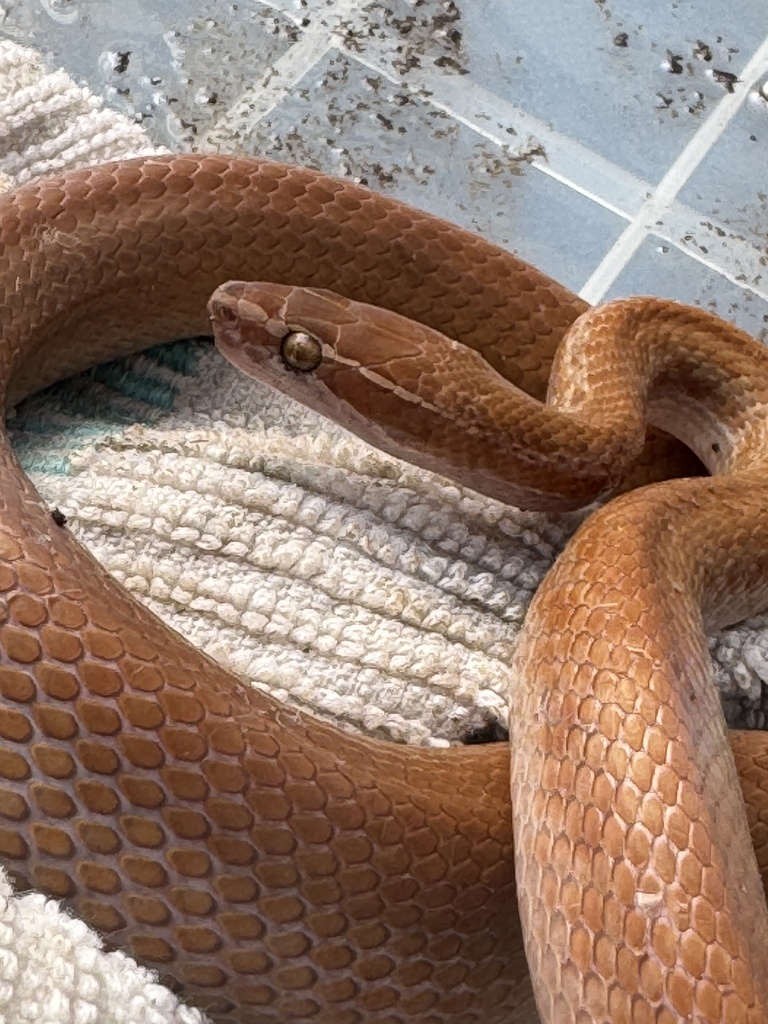
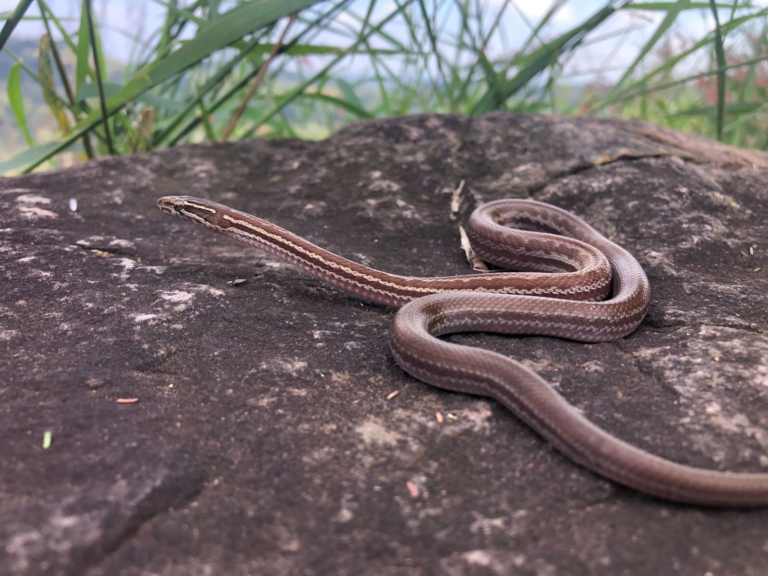
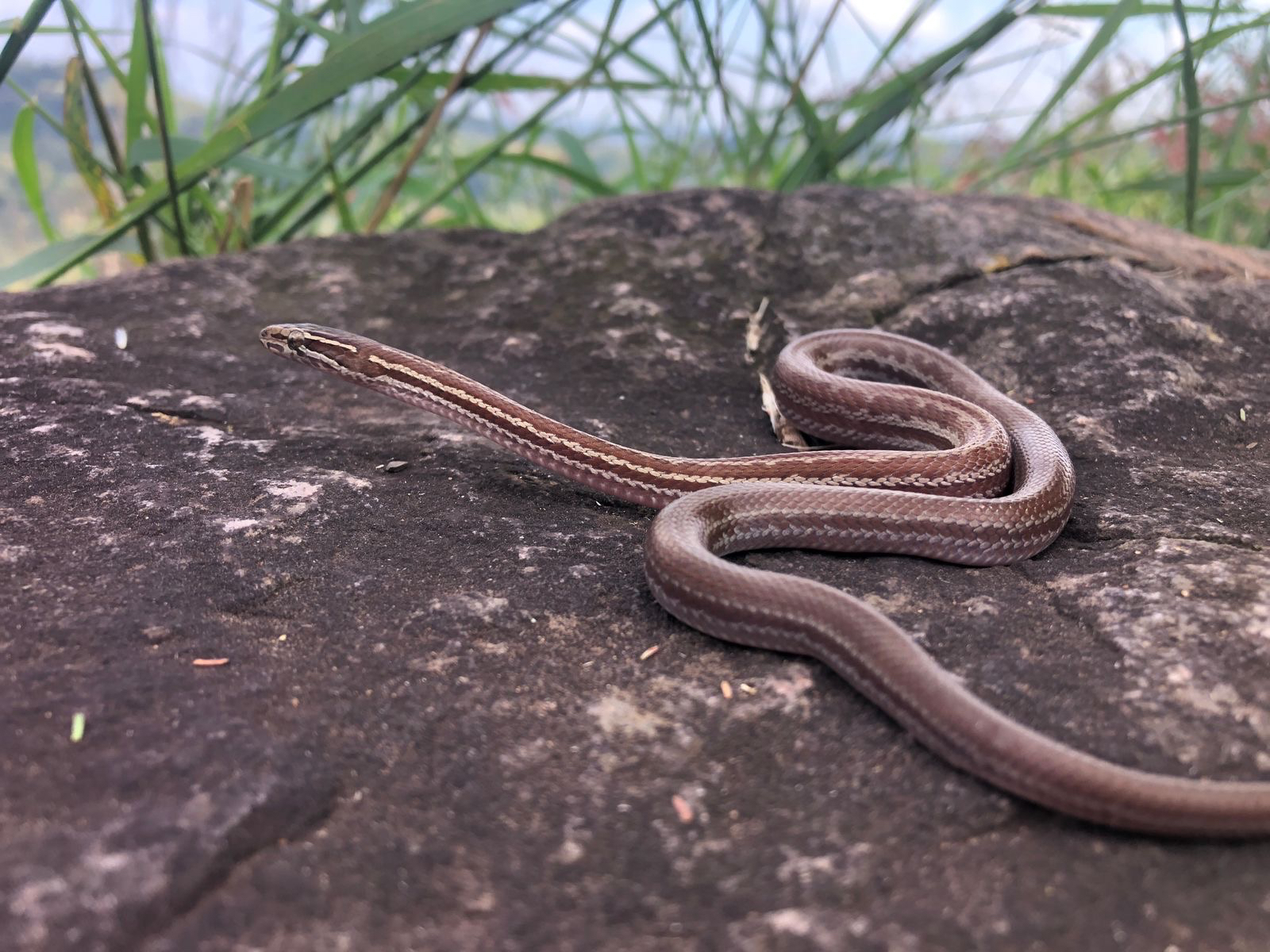
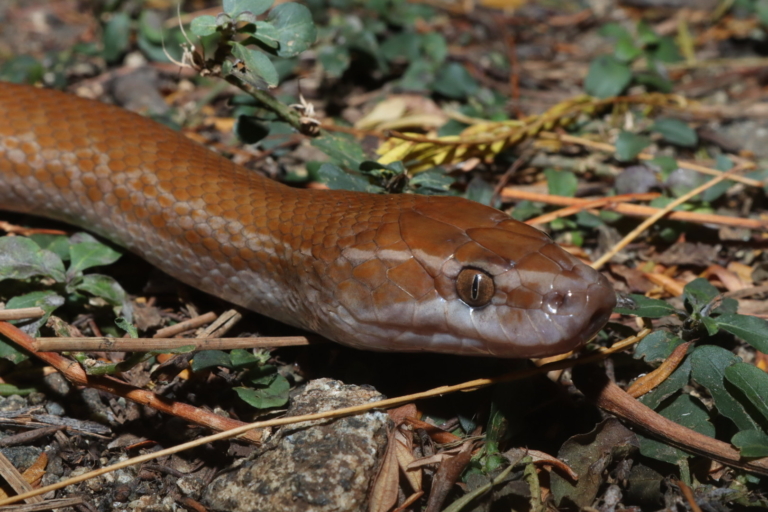
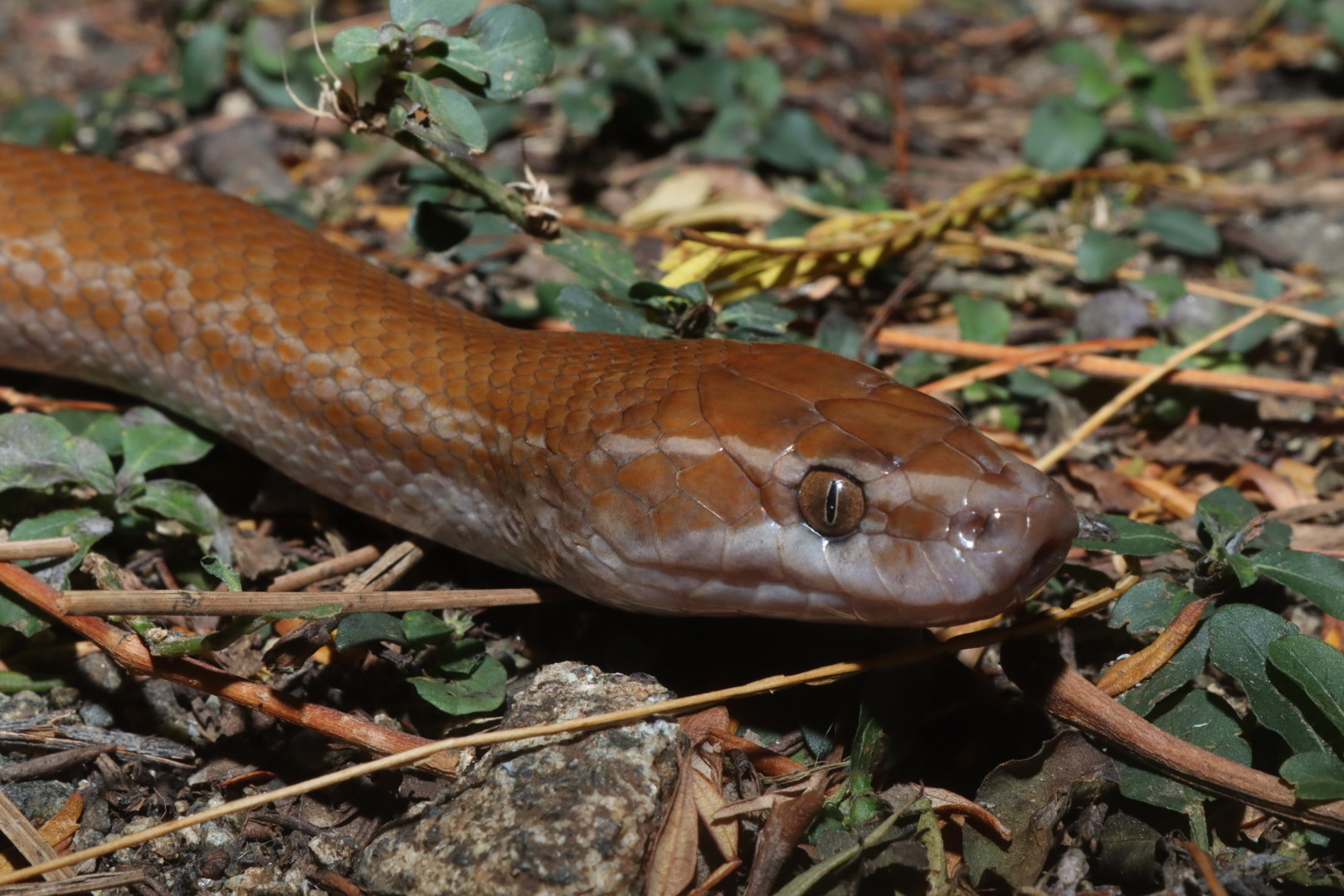
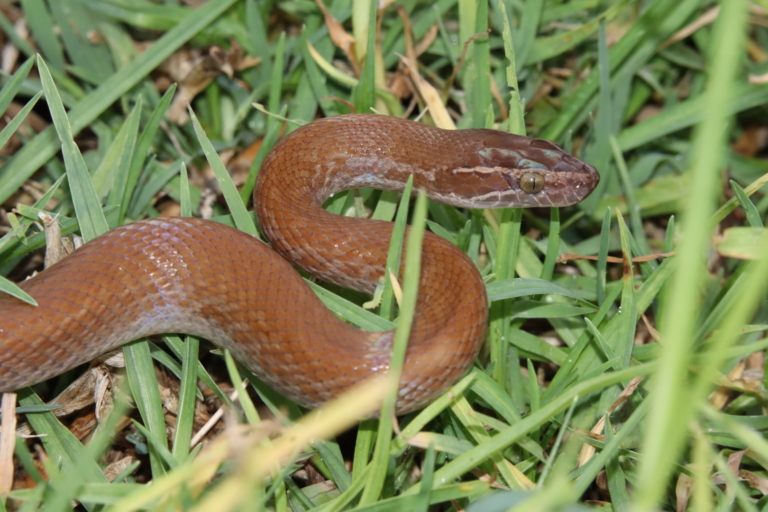
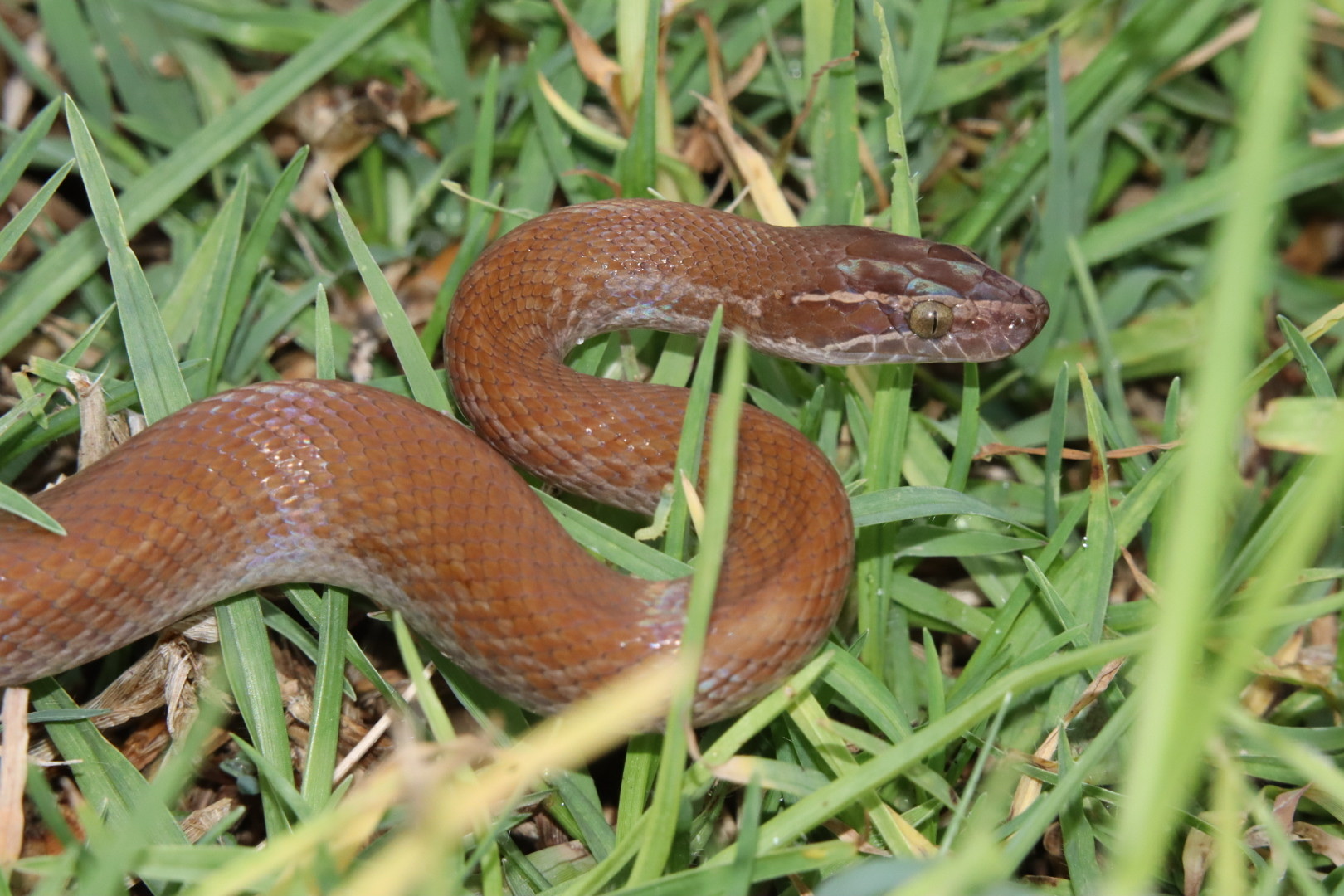
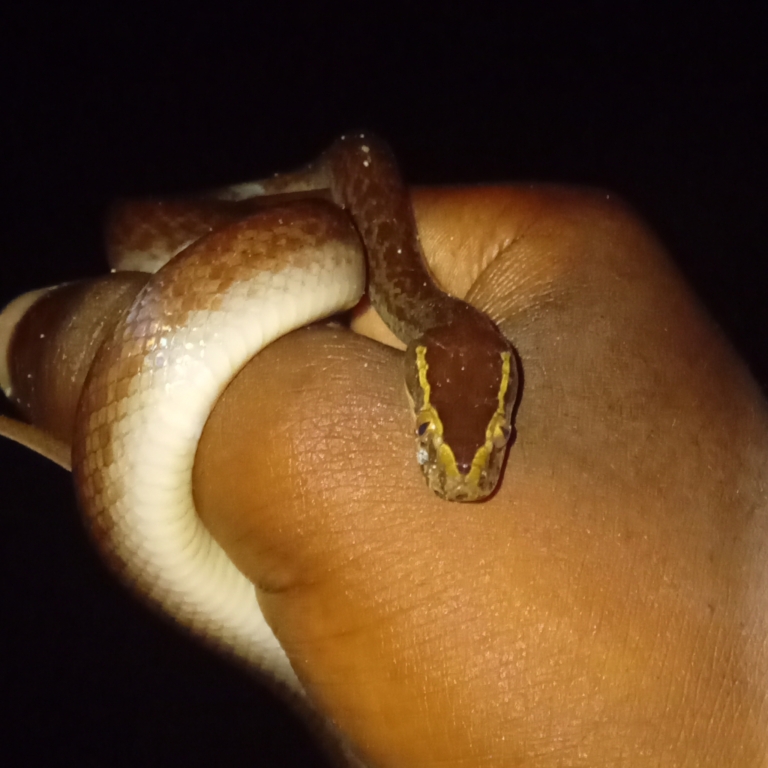
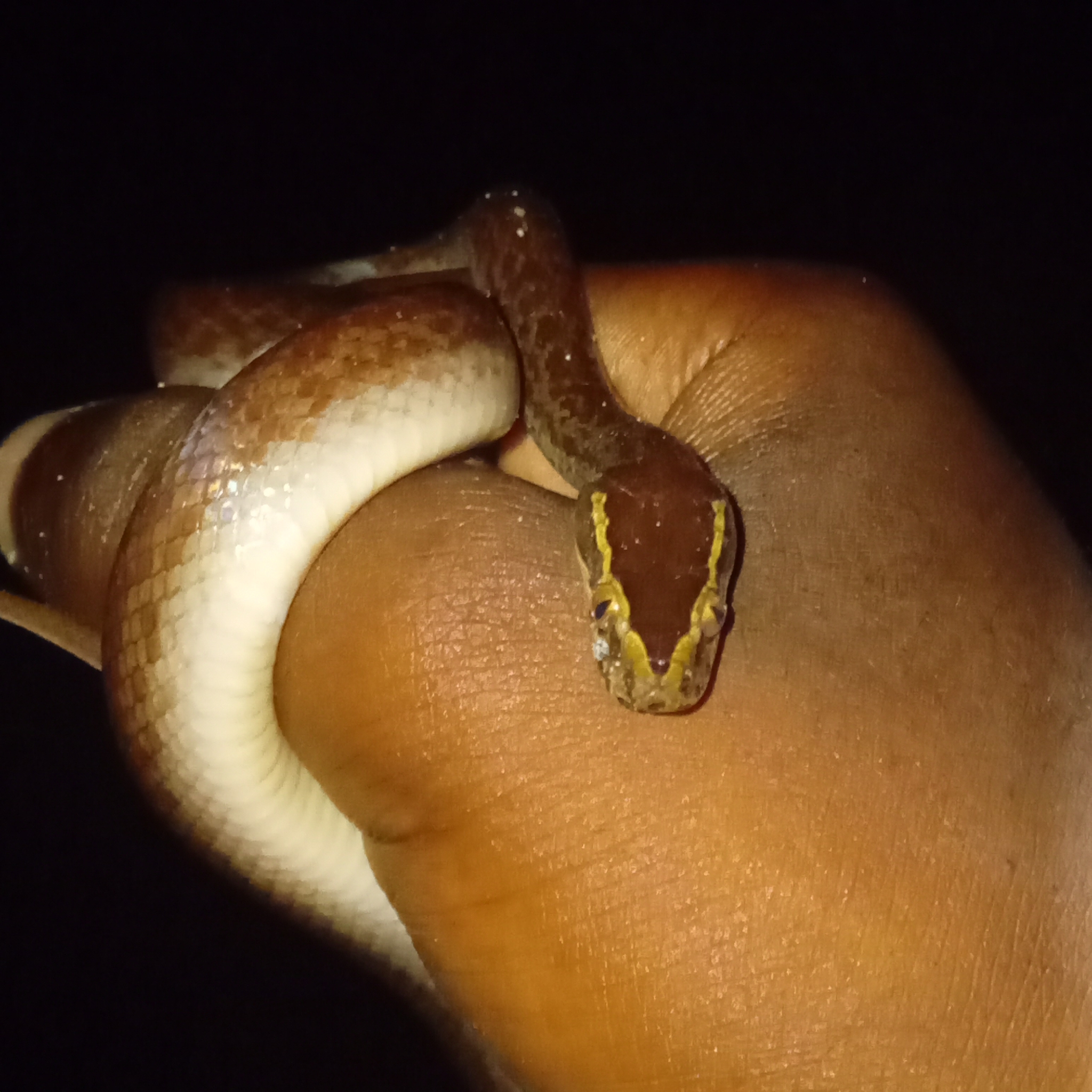
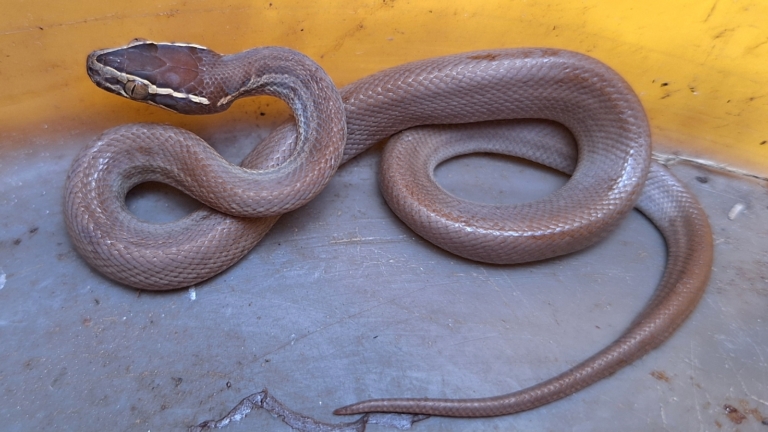
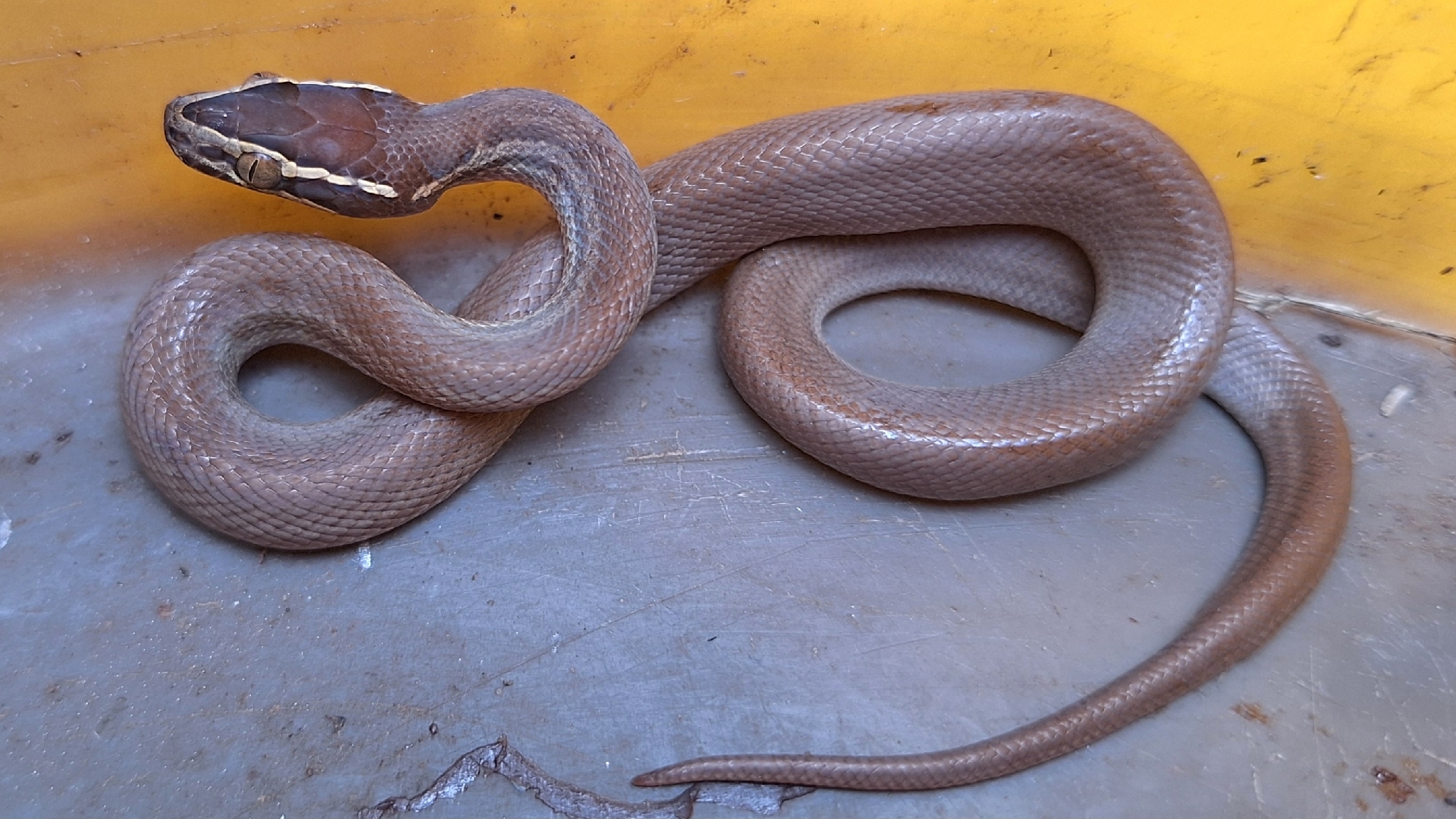
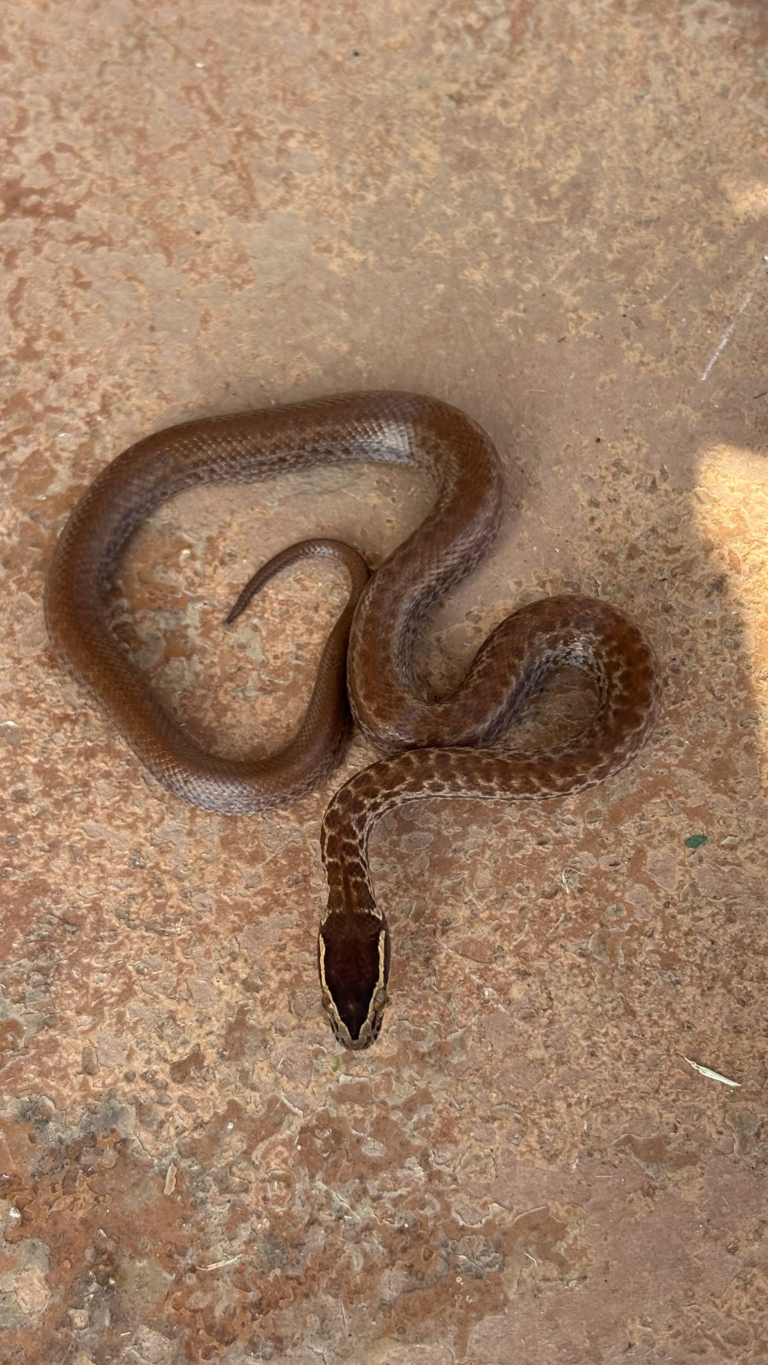
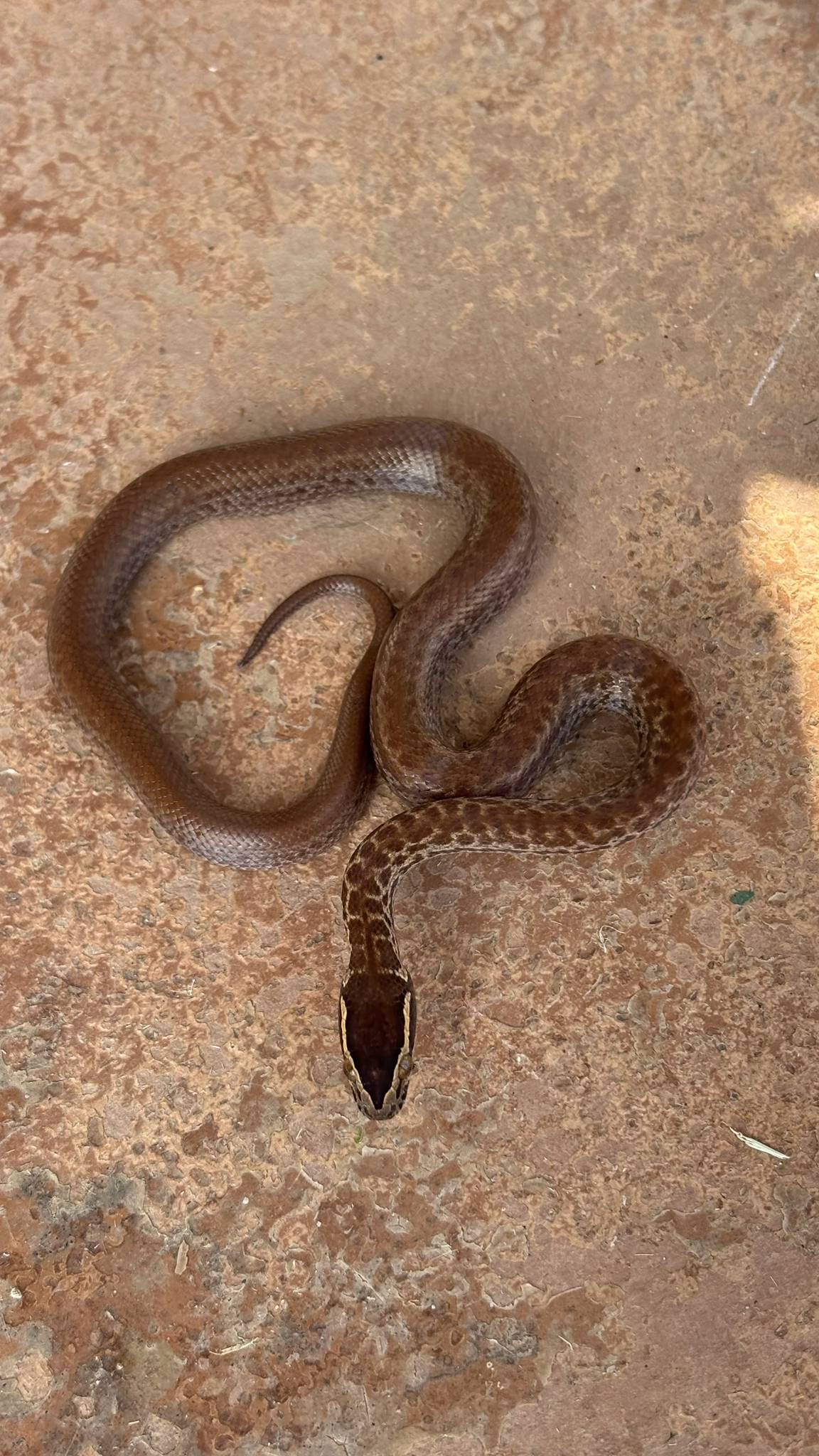
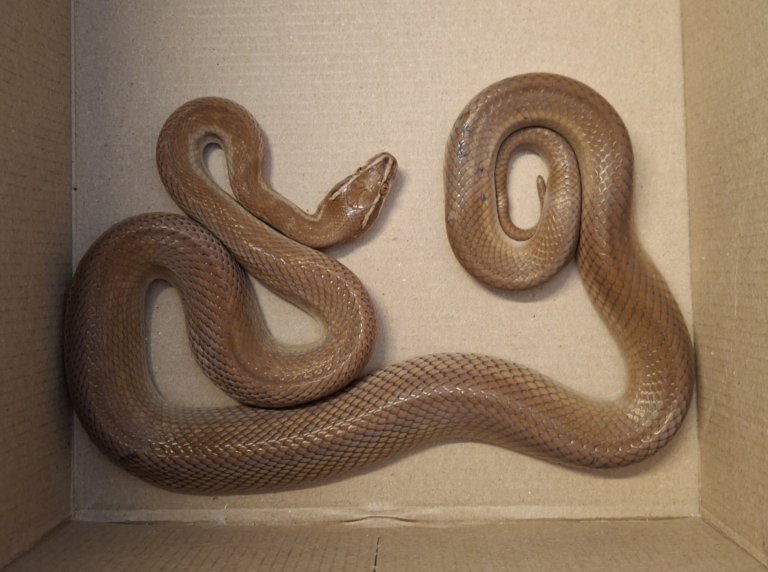
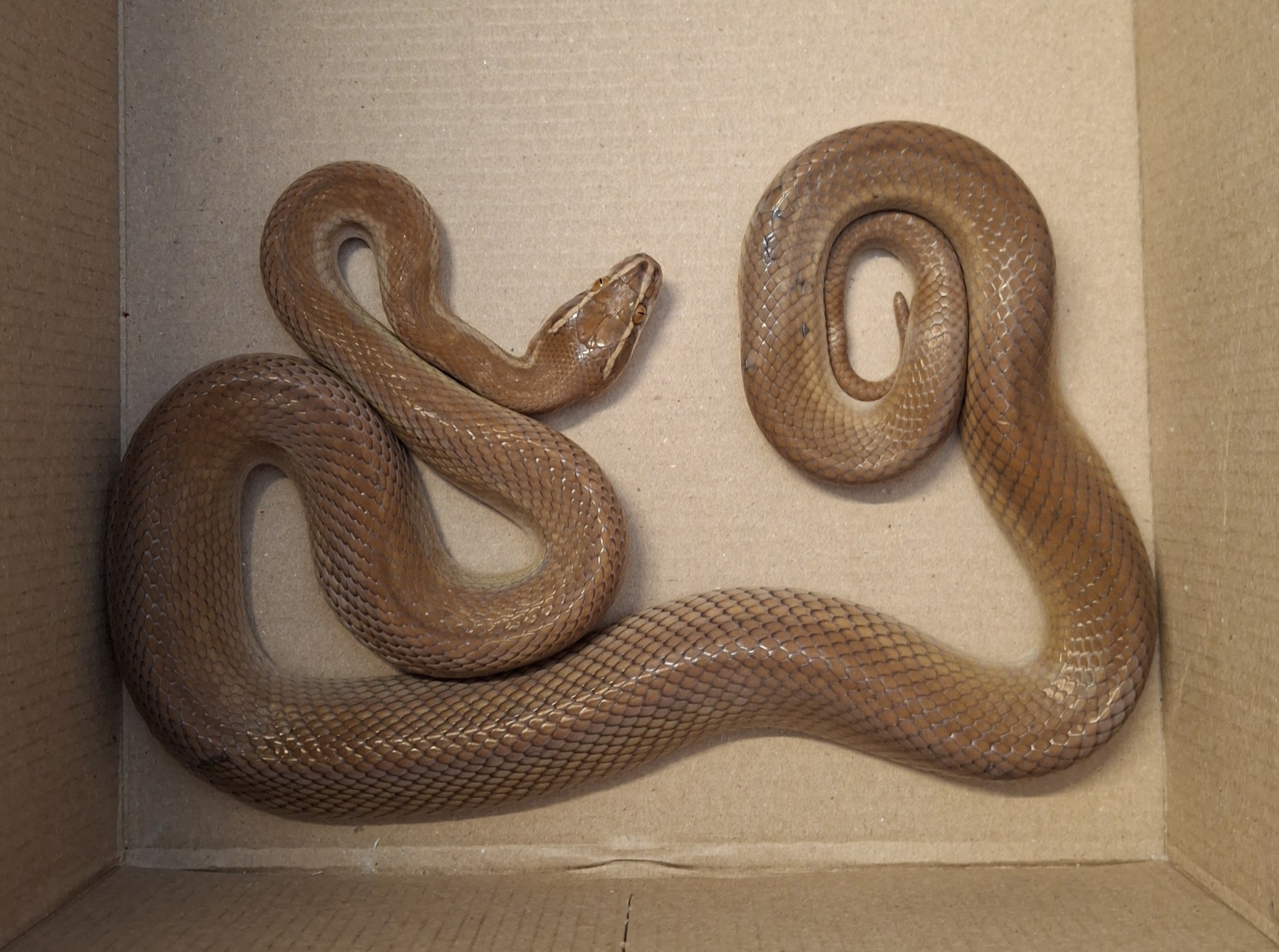
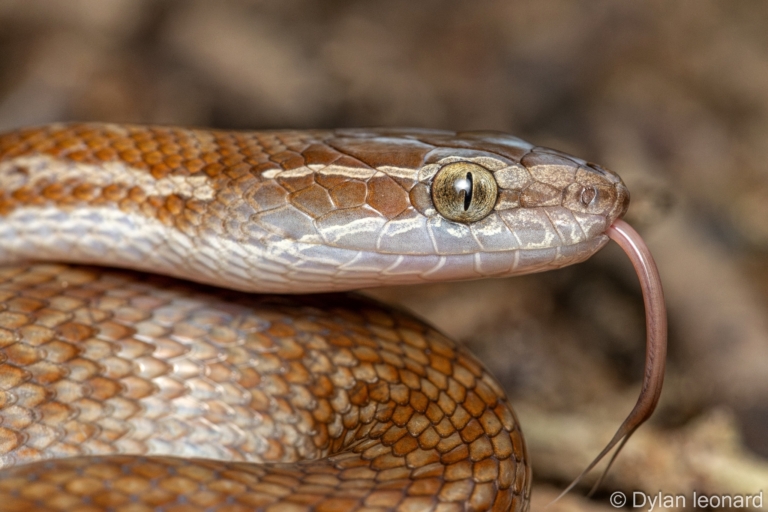
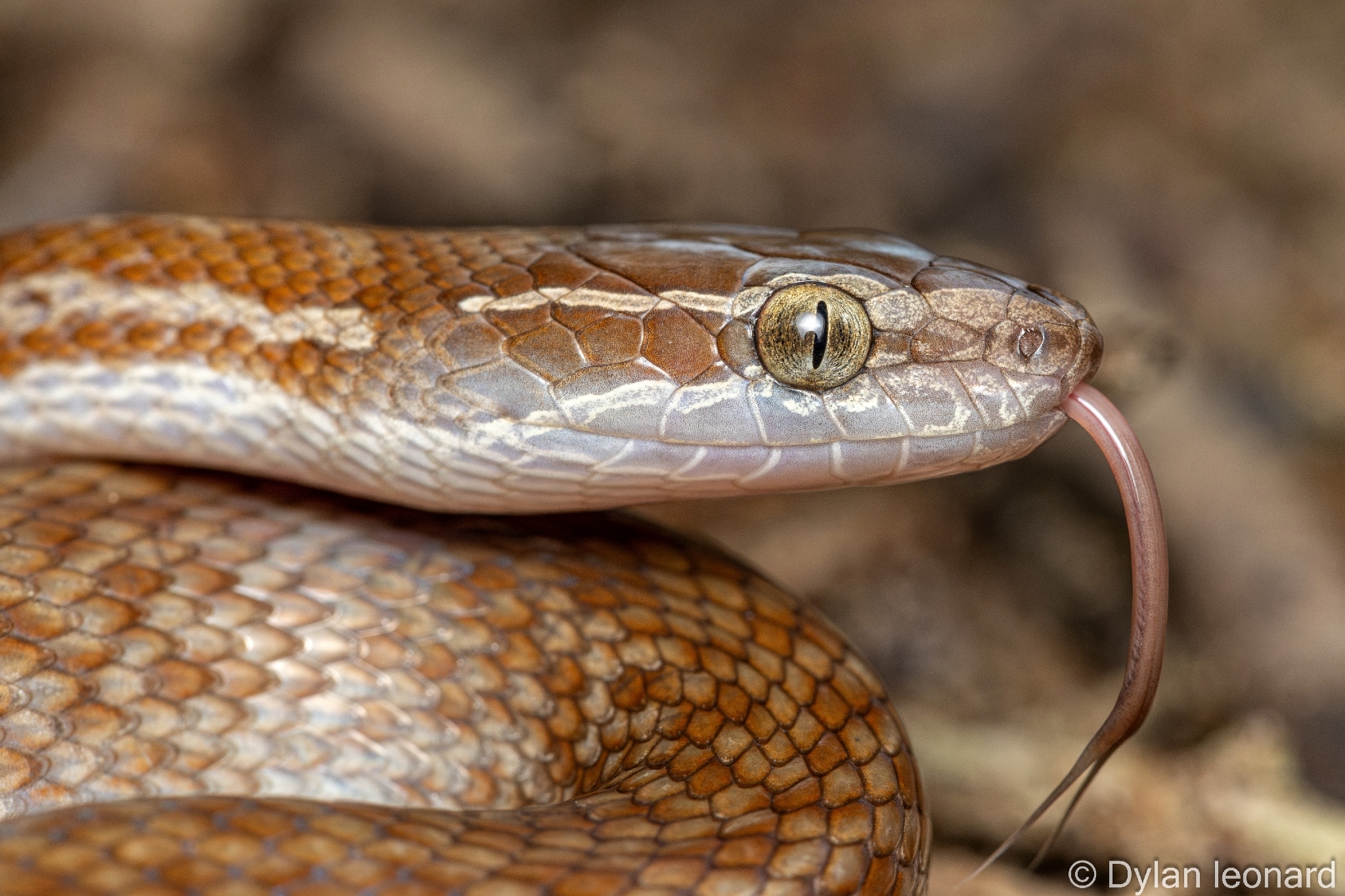
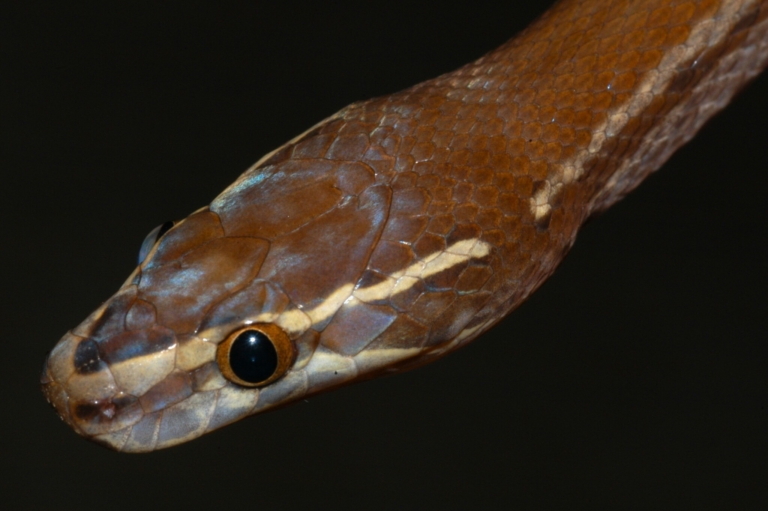
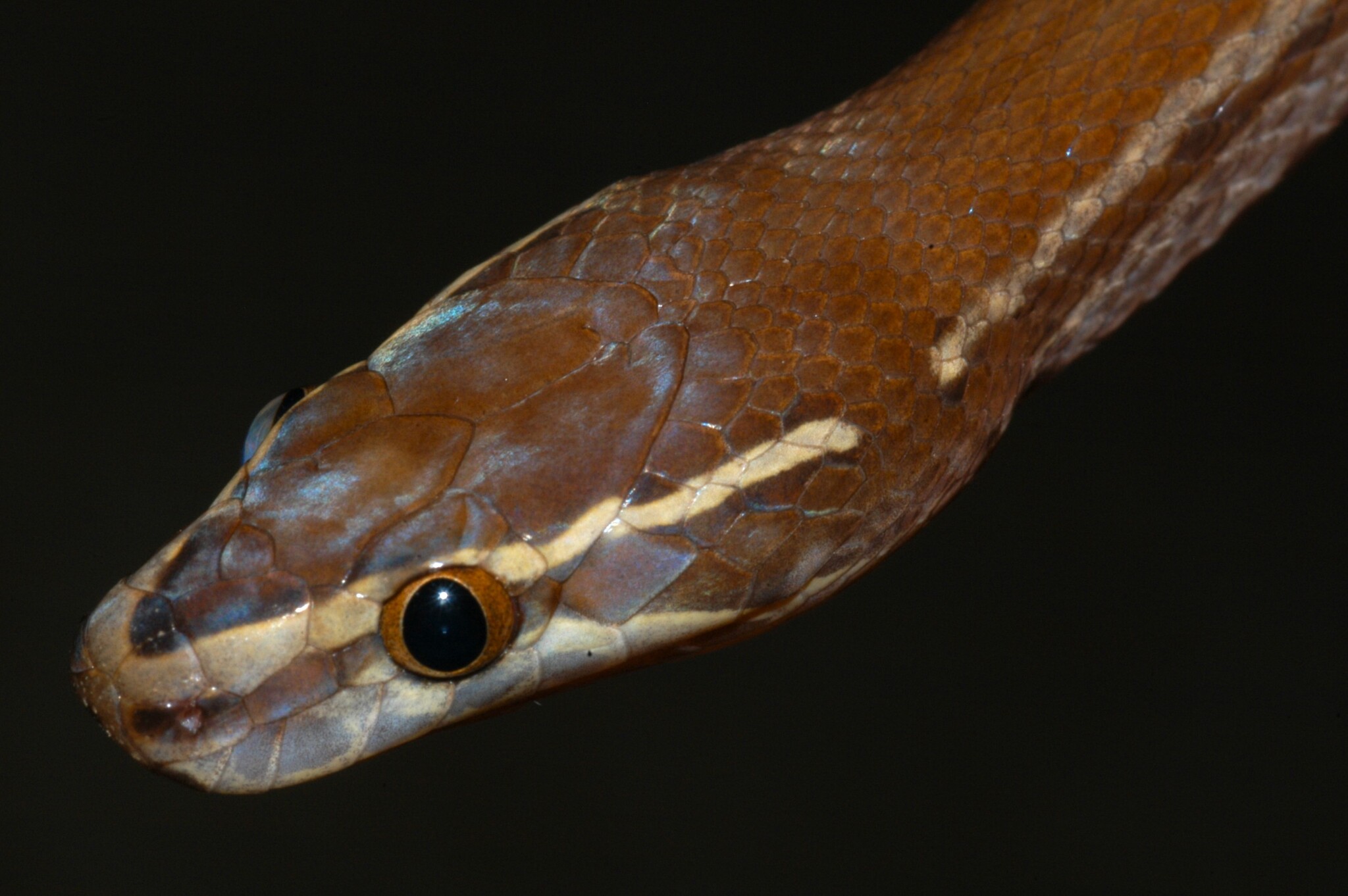
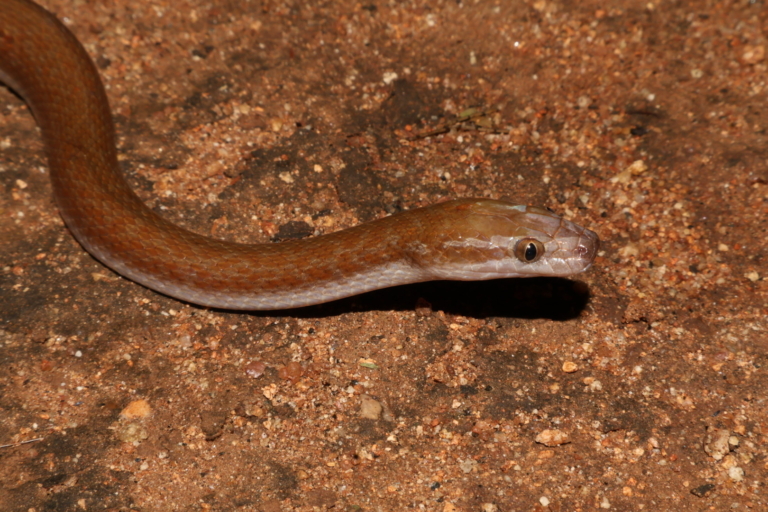
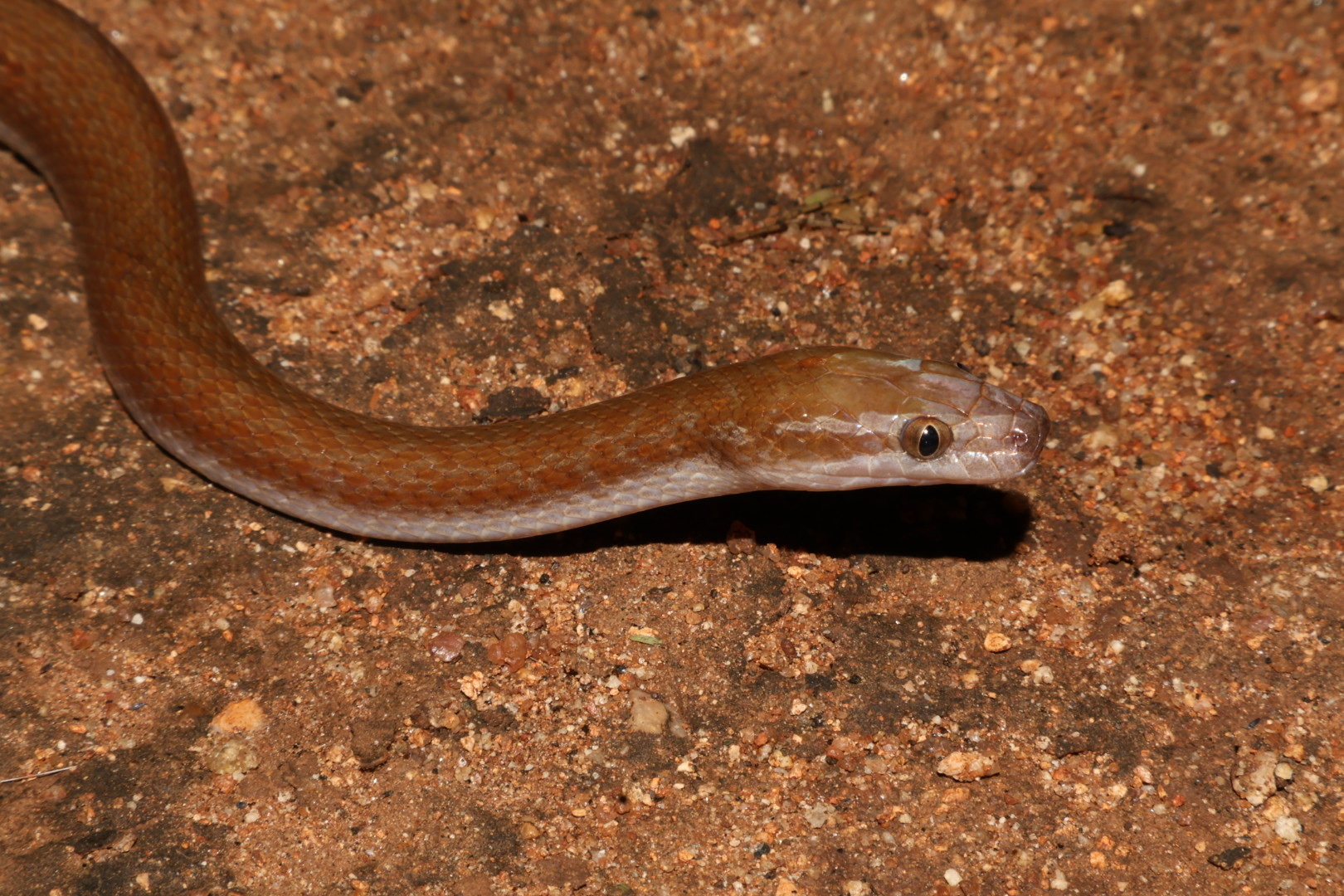
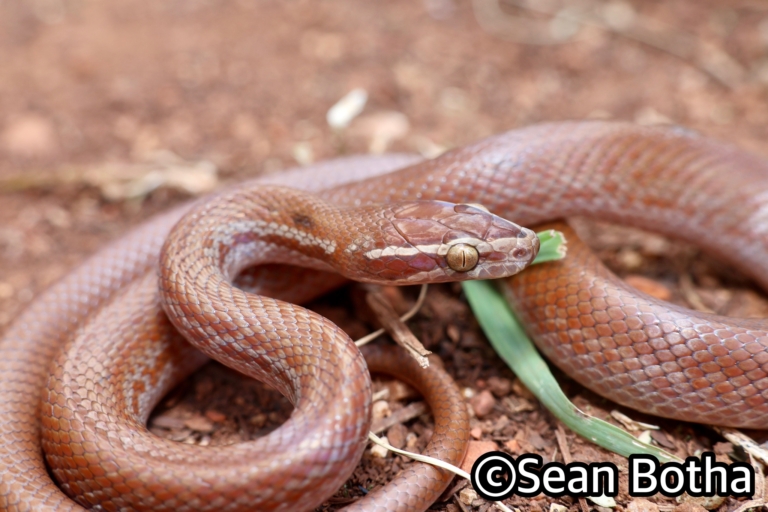
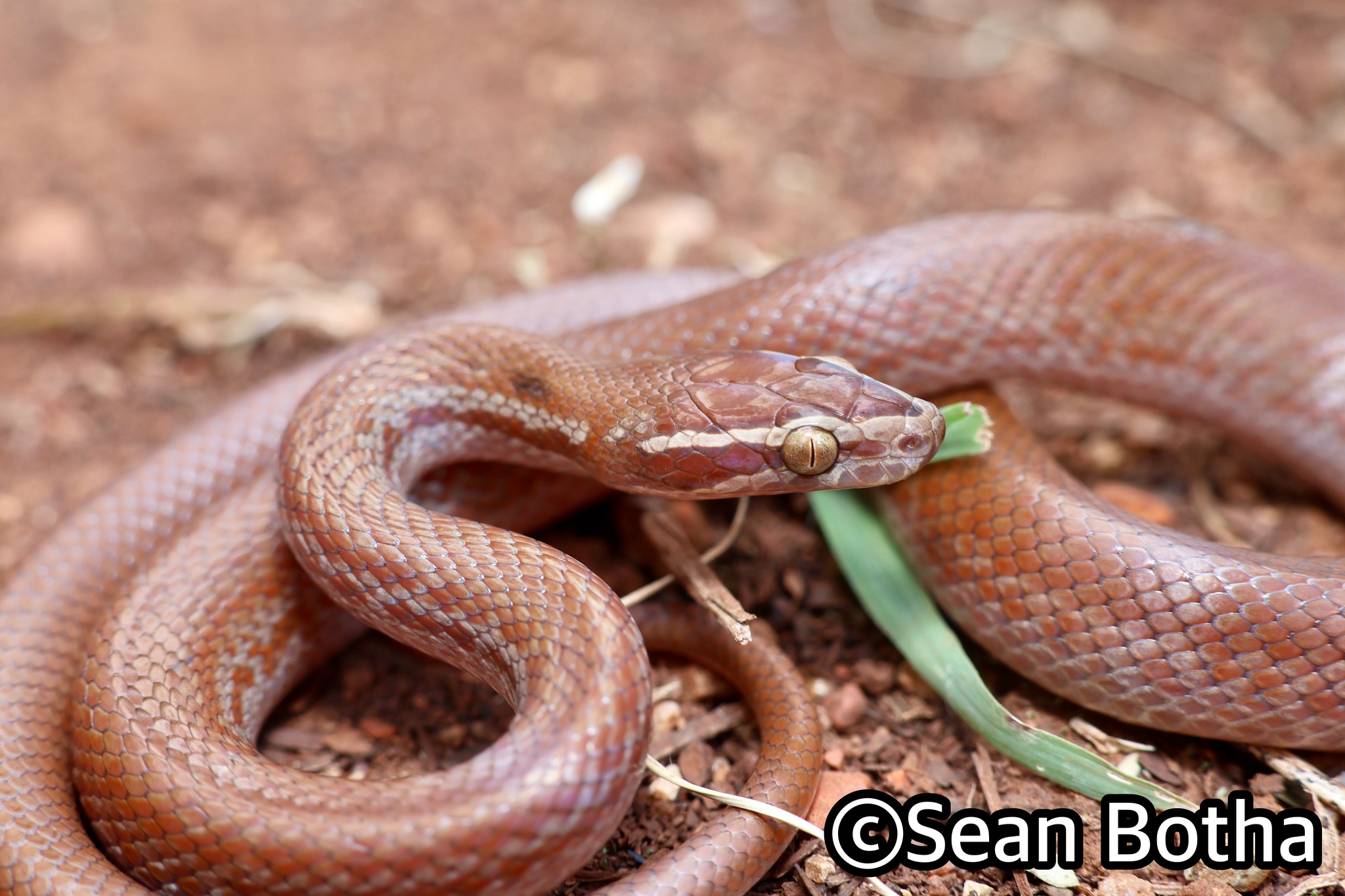
The Light Head Stripes: Look closely at the snake’s face. It has two pale, cream-colored or white stripes on each side of its head. One stripe runs from the nose, straight through the top of the eye, and goes back to the neck. The second stripe runs along the upper lip under the eye. If you see these clear head lines, you are looking at a harmless Brown House Snake.
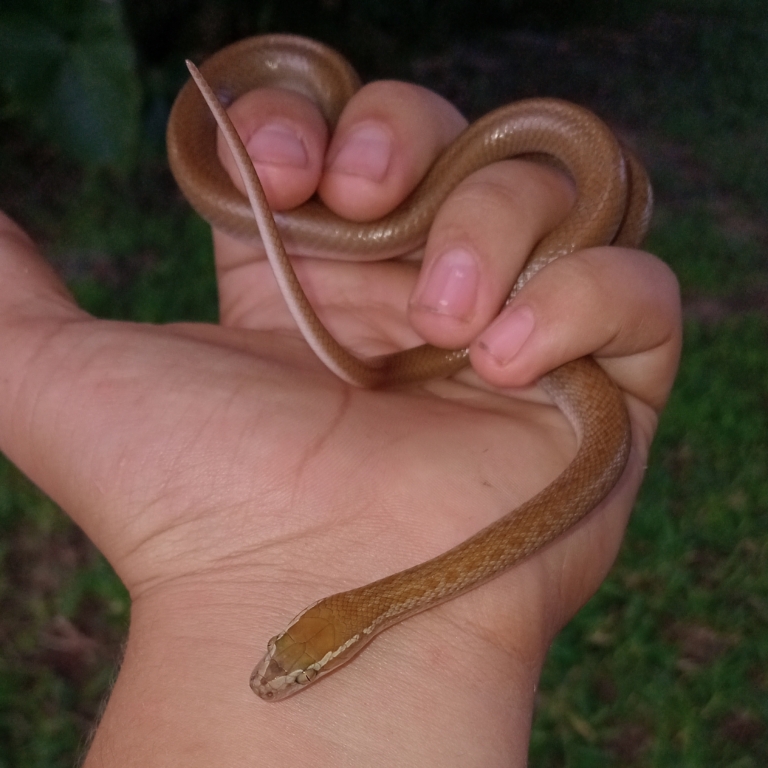
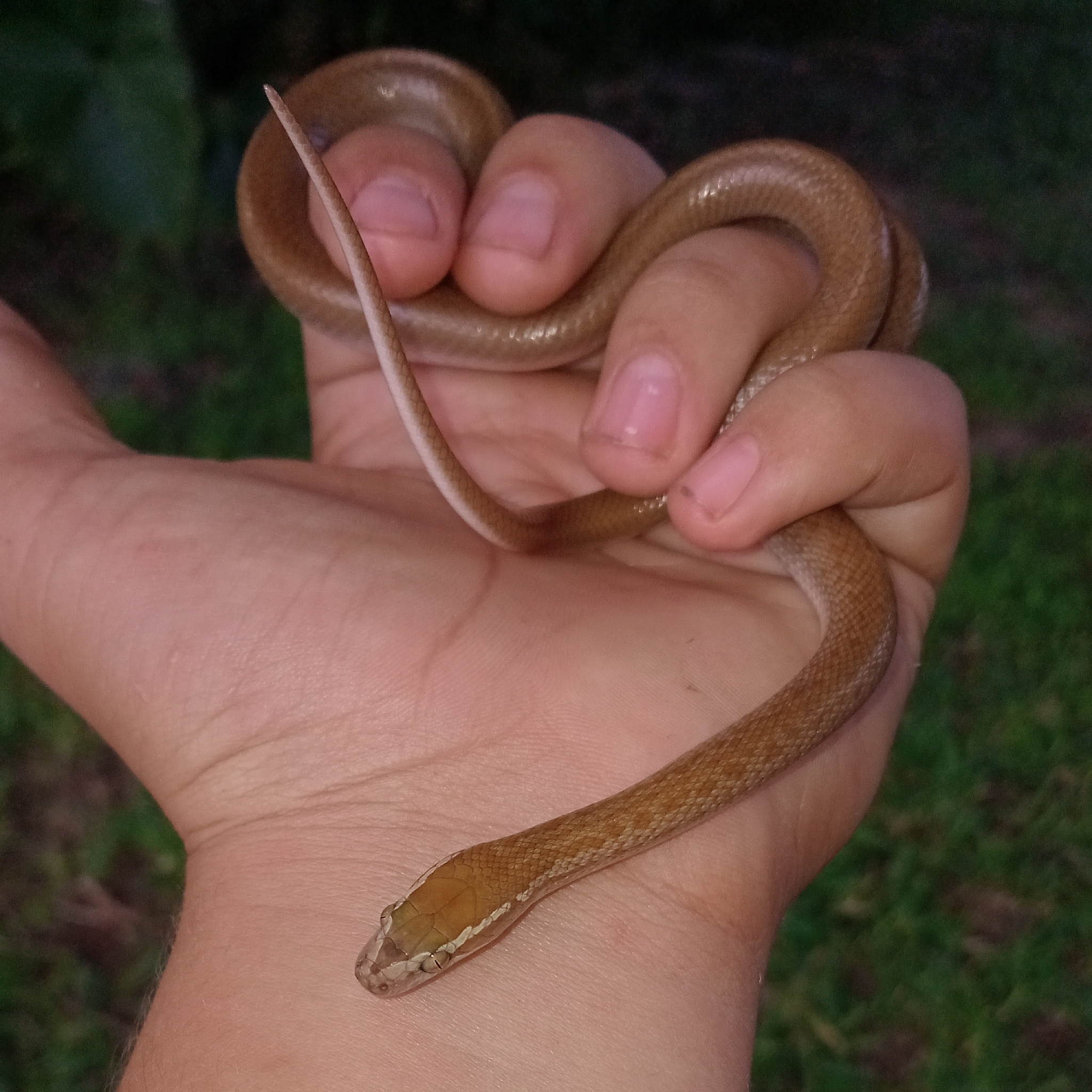
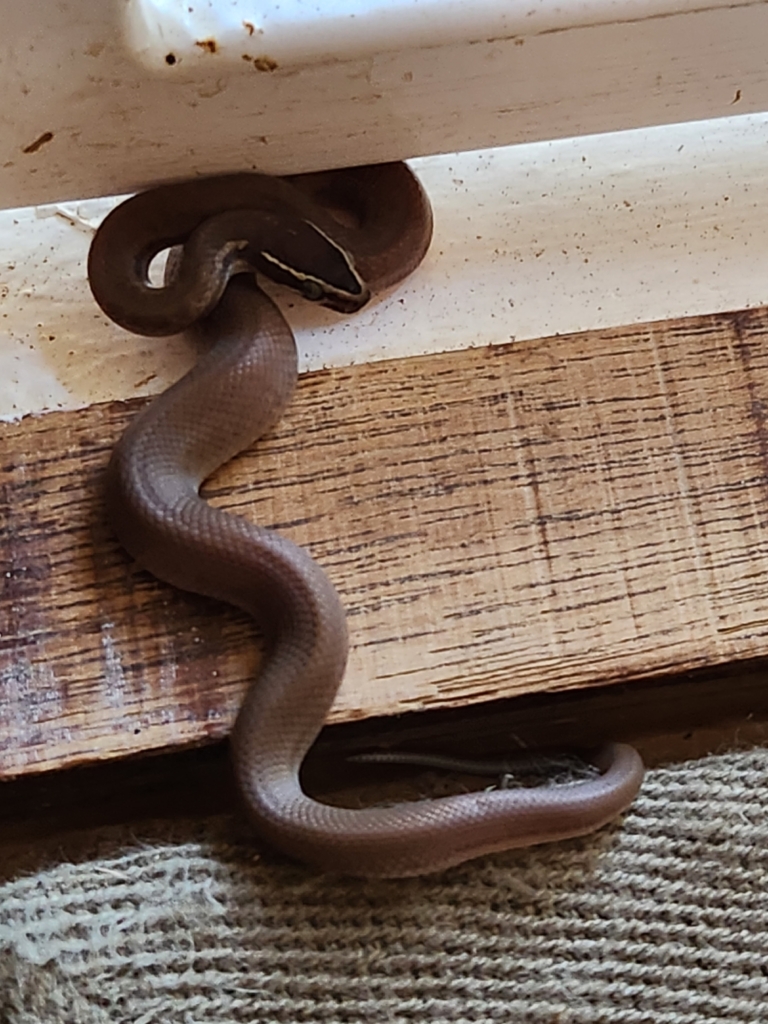
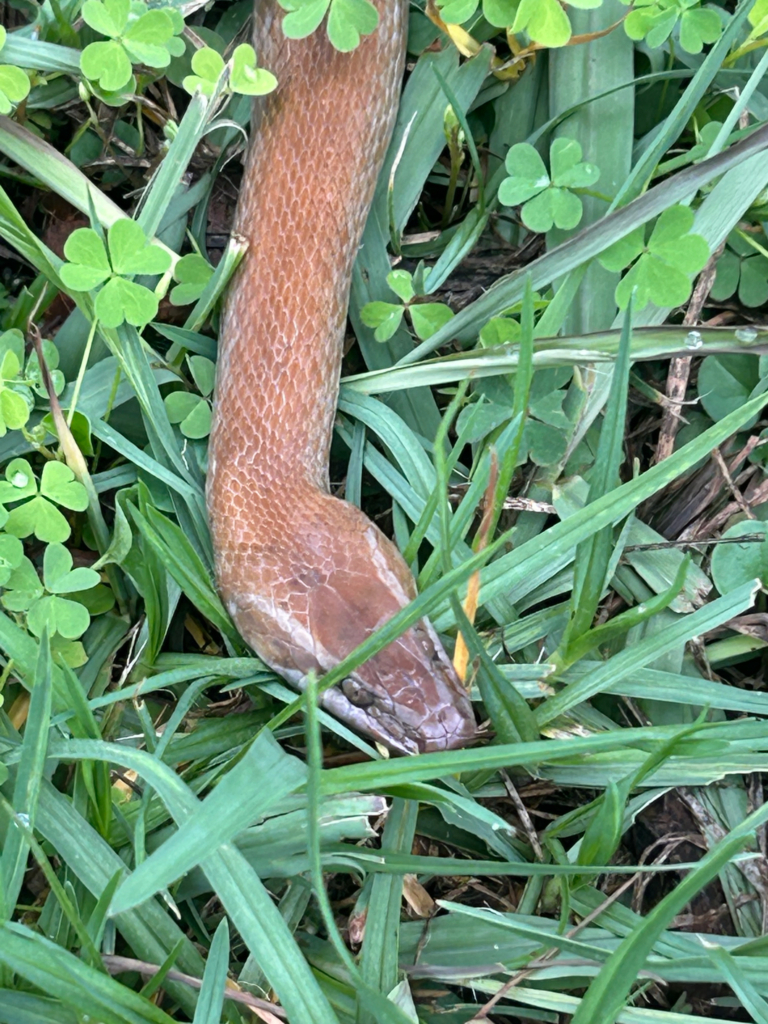
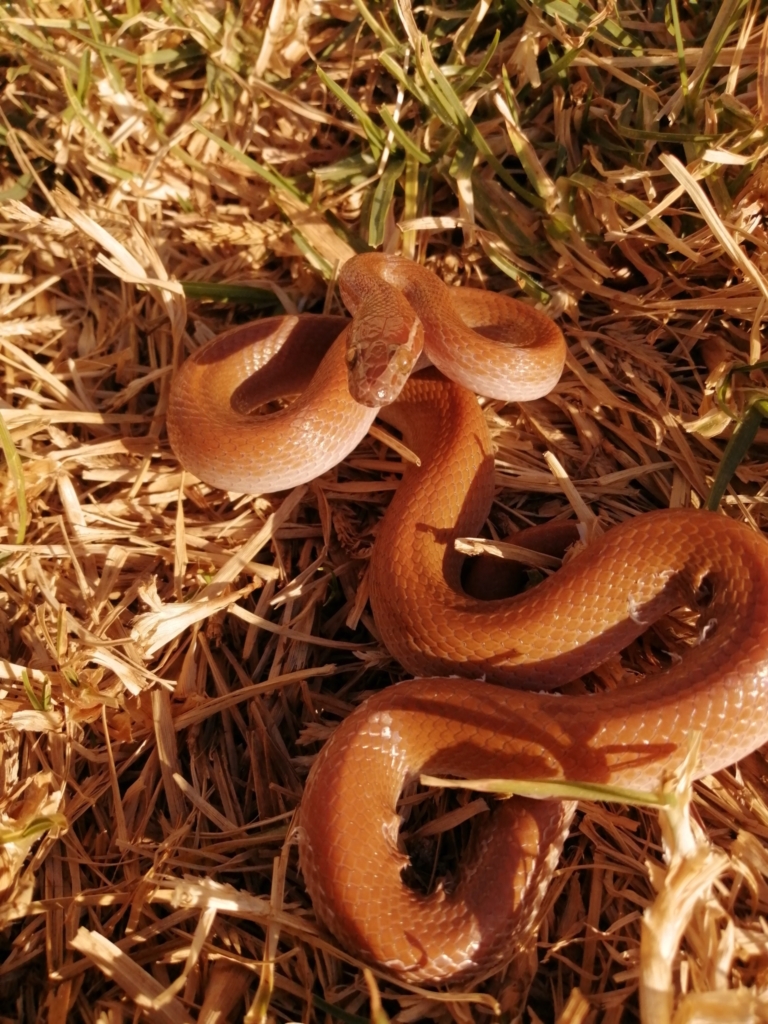
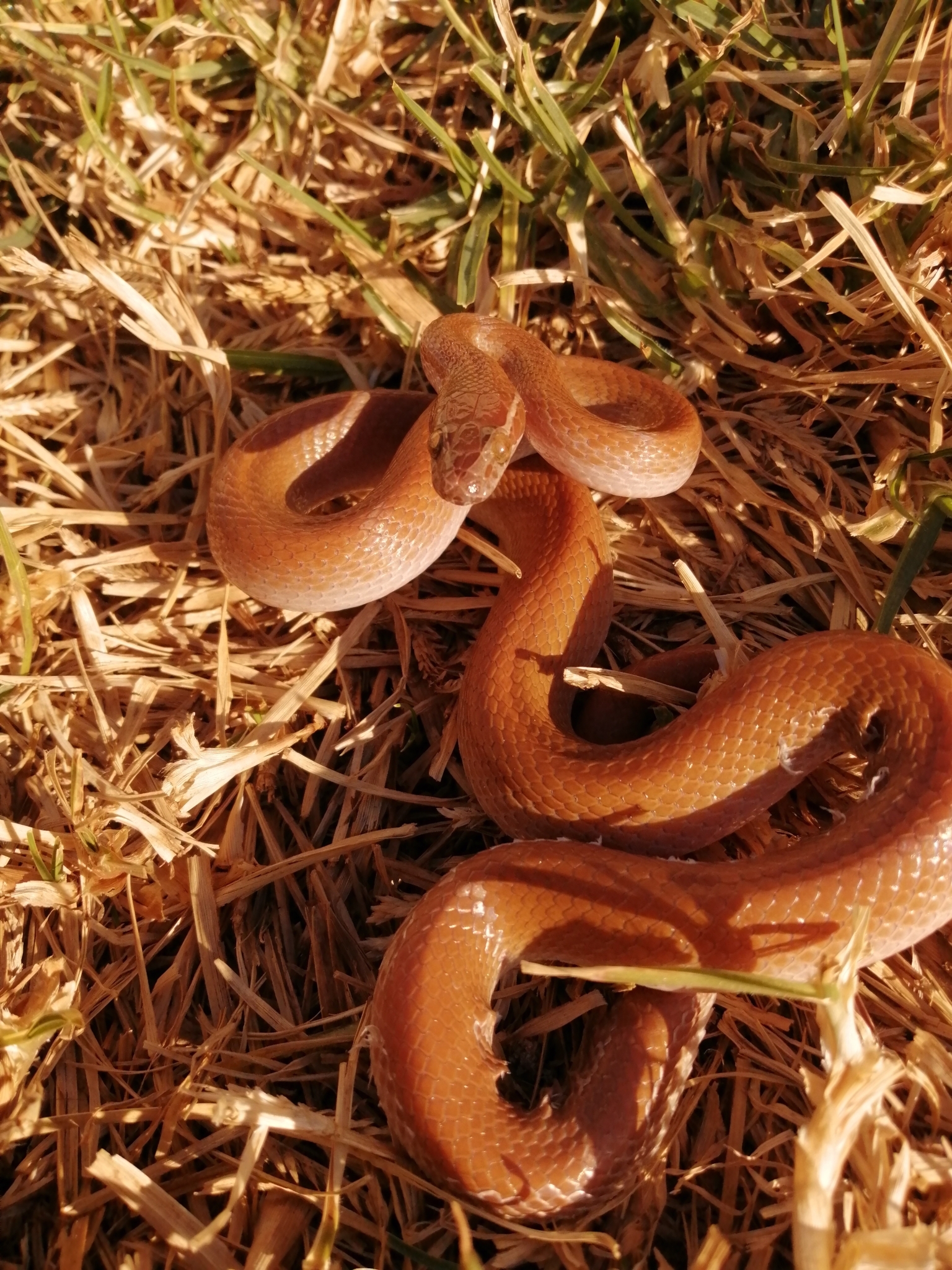
The Body Color: Most House Snakes are a solid, uniform brown, reddish-brown, or dark blackish-brown.
The Neck Patterns: Depending on where you live, some House Snakes look a little different. Instead of being completely plain, they might have light, pale, marbled patches or spots on the front half of the body, especially right behind the head on the neck. If there is any pattern, marbling or striping, this patterning tends to fade toward the tail.
Many snakes have patterns on the neck but none have the light stripes on the head. Always look at the eyes and face—those light stripes are the true identity card of this snake.
Why You Want This Snake Near Your Home
The House Snake gets its name because it loves to live near human homes, being found in urban and suburban areas, including cities, towns, and rural homeland areas. It does not come to hurt you or your children. It comes because it is hunting your worst enemies: rats and mice.
Rats and mice are highly destructive. They come looking for human food and scraps and can carry disease. They chew through electrical wiring and valuables, eat (and poo on) your stored maize or food supplies, and carry dangerous diseases that can make your family very sick.
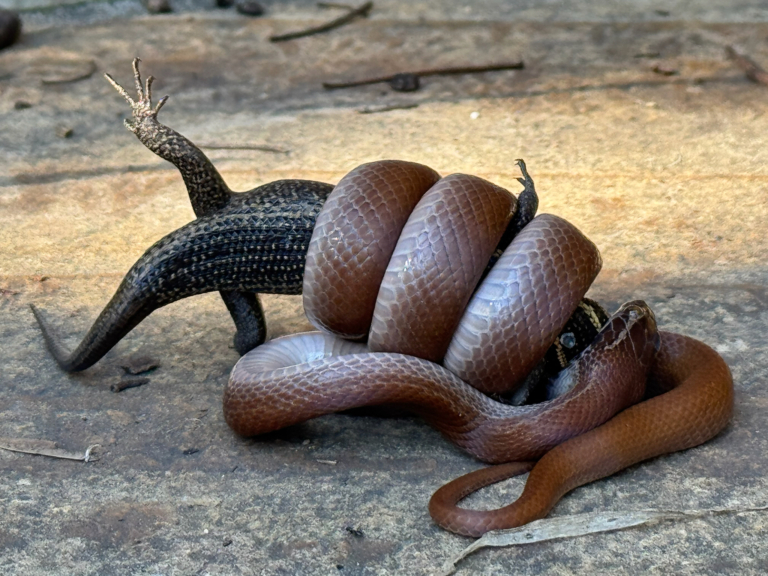
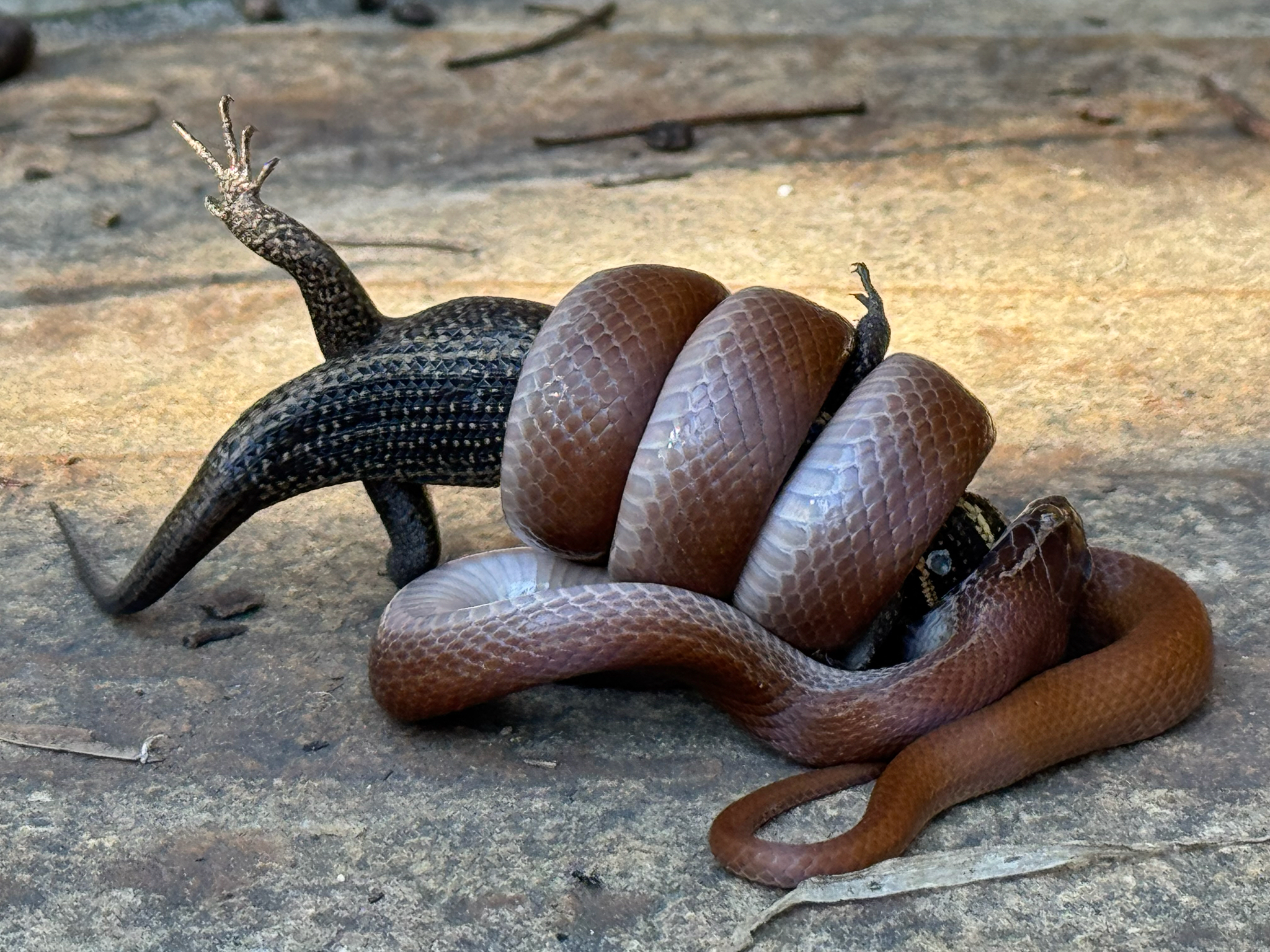
The House Snake is a master rat catcher. It moves silently at night, following the scent of mice into small holes where cats cannot fit. It catches the mouse, squeezes it tightly until it stops breathing, and swallows it whole.
A single House Snake living under your zinc sheets or in a woodpile can clean out a whole family of rats in just a few weeks.
What to Do If You See One
The House Snake is completely non-venomous. They are generally calm and will move along slowly and can be interesting to observe. If you accidentally step on it, grab it, or corner it, it might strike out to scare you – but its bite is just a tiny scrape that cannot harm you. It has no venom at all.
If you see a snake with those two light stripes on its face:
Do not strike it with a stick. It is doing a job that saves you money on dangerous rat poison.
Leave it alone. It will slide away into the dark to hunt the pests that destroy your food.
Keep your yard tidy. If you want fewer snakes near the house, remove old piles of bricks, wood, stones and loose corrugated iron or wooden boards where mice and rats like to nest.
The Brown House Snake is a quiet helper to the household. Protect it, and it will protect your home from rats.