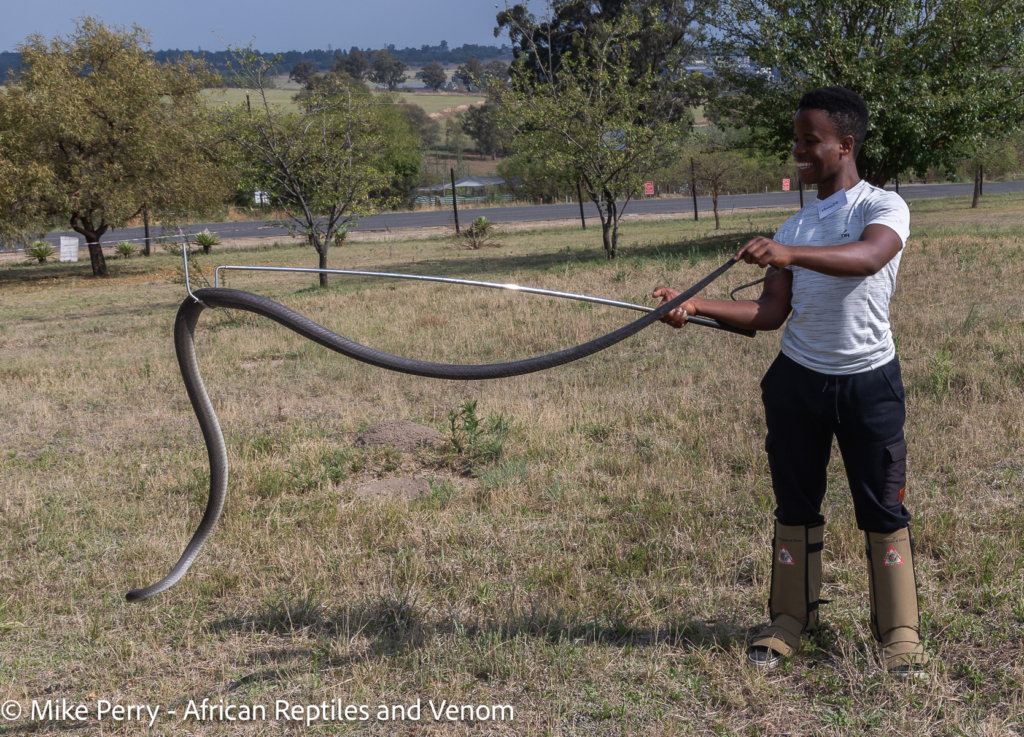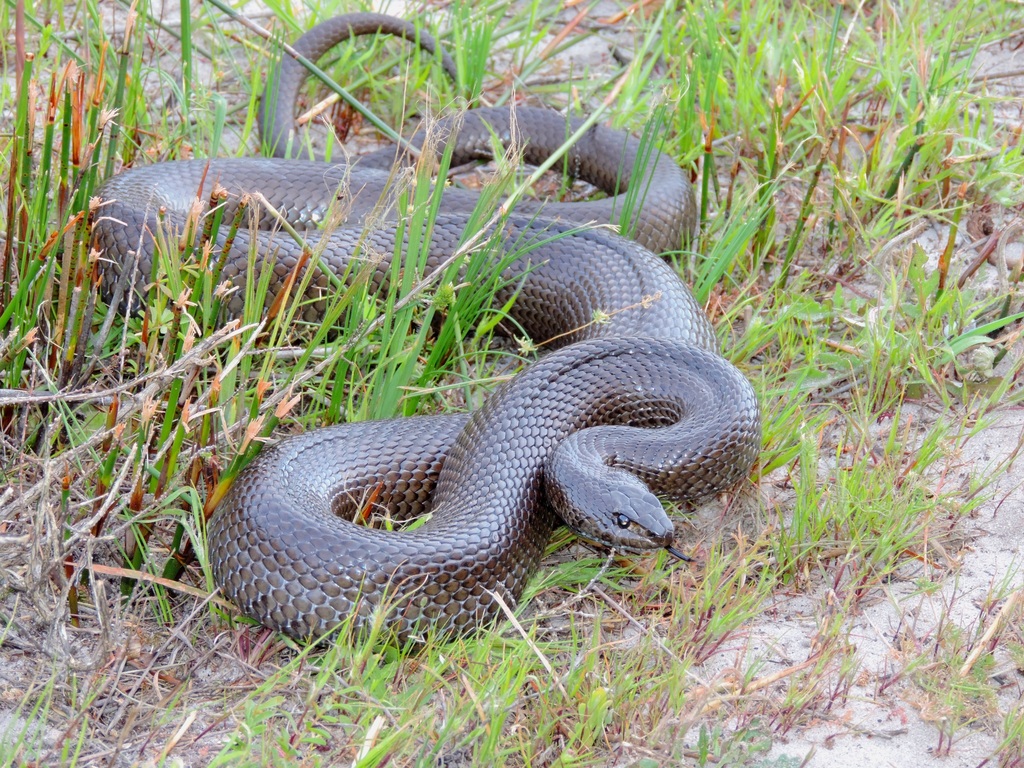
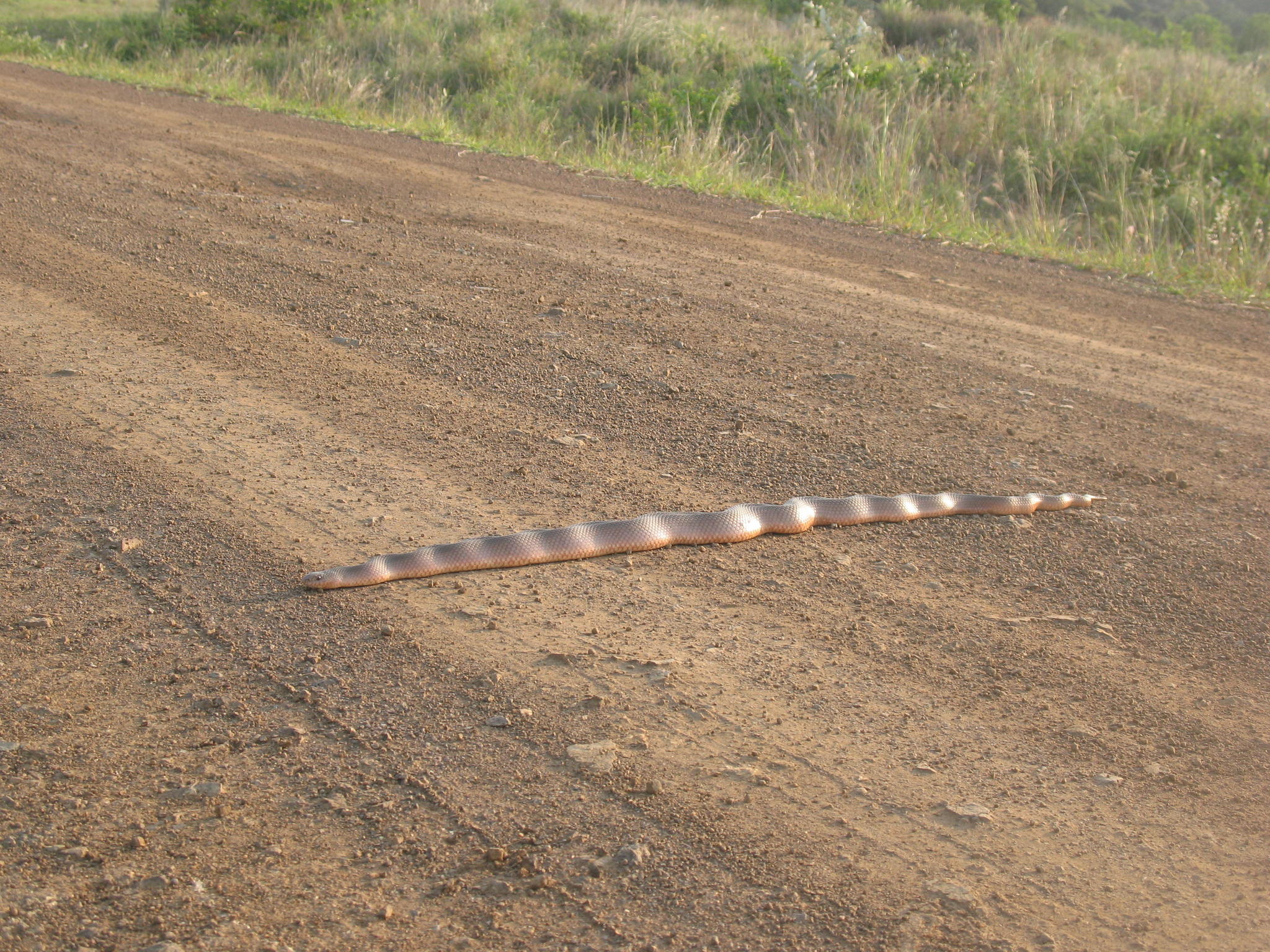
Mole Snake Adult from iSimangaliso Wetland Park, Kwazulu-Natal © Lize van der Merwe, some rights reserved (CC-BY-NC-ND)
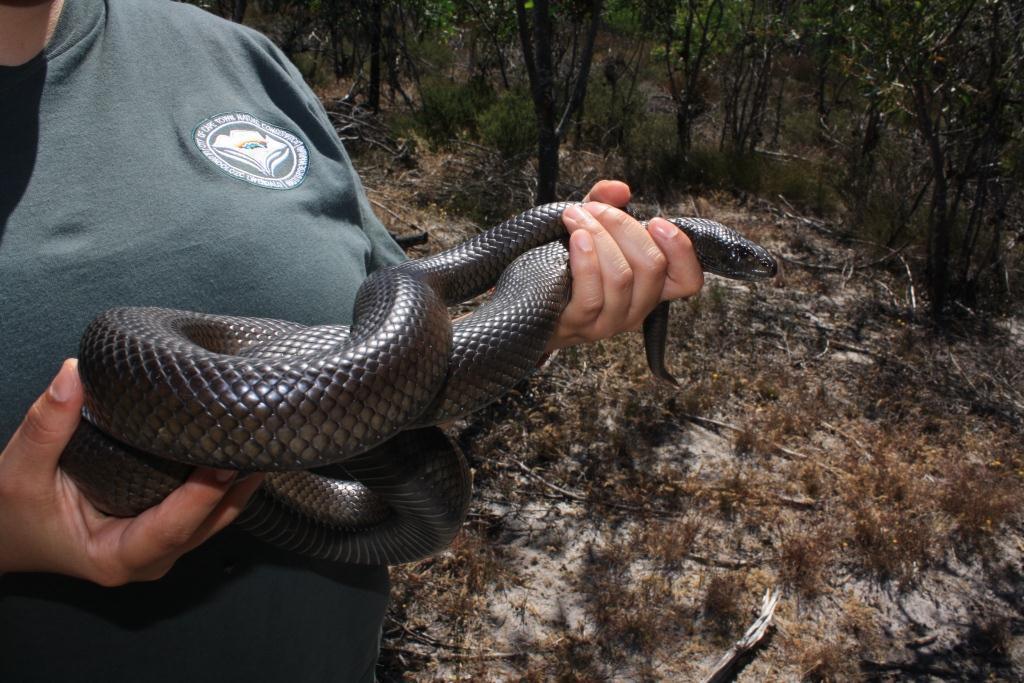
Mole Snake Adult from Blouberg Nature Reserve, Western Cape © Alex Rebelo, some rights reserved (CC-BY-NC)
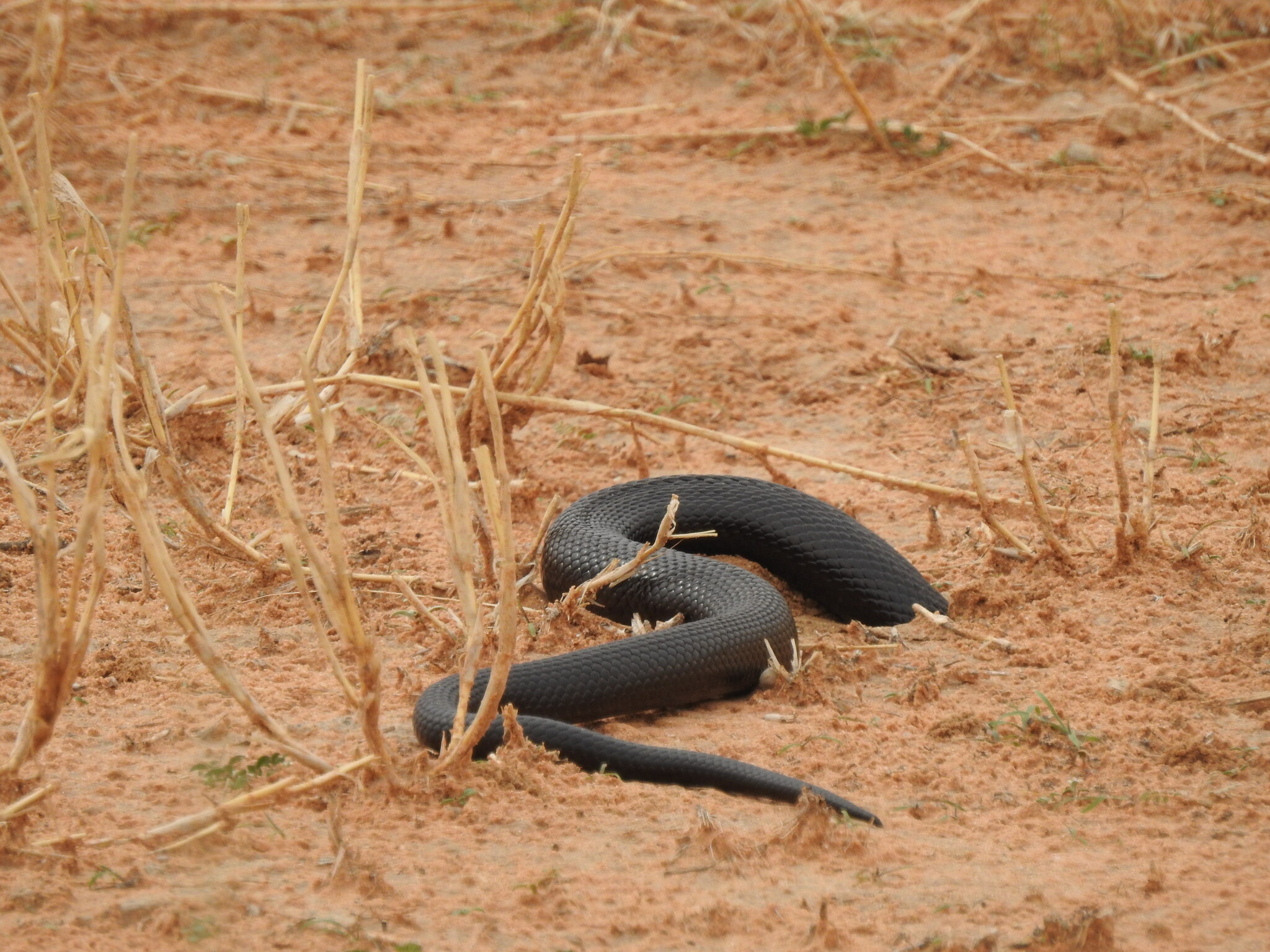
Mole Snake Adult from Kgalagadi Transfrontier Park, Northern Cape (c) Ryan van Huyssteen – some rights reserved (CC BY)
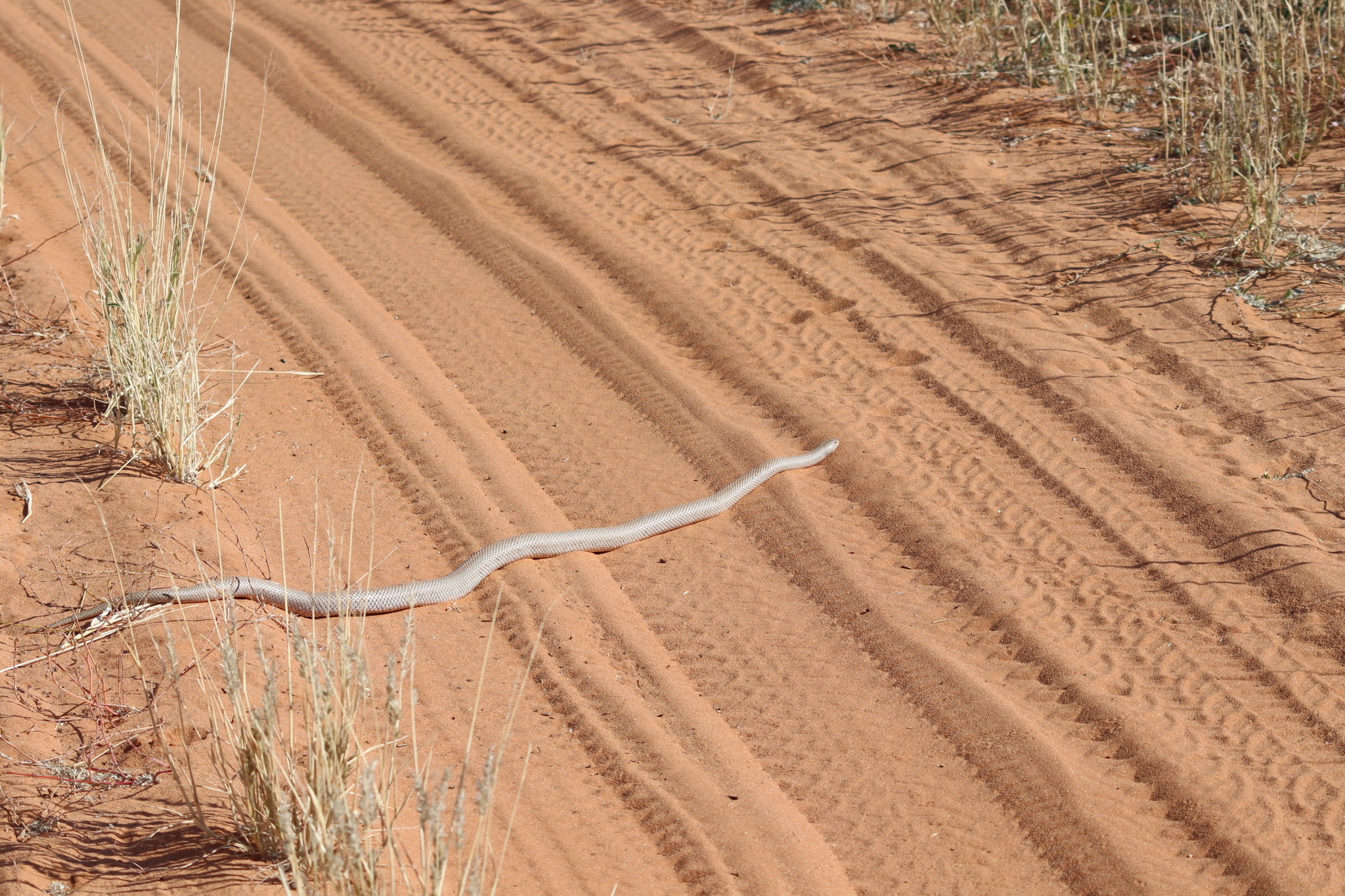
Mole Snake Adult from Kgalagadi Transfrontier Park, Northern Cape © Joan Kleynhans, some rights reserved (CC-BY-NC)
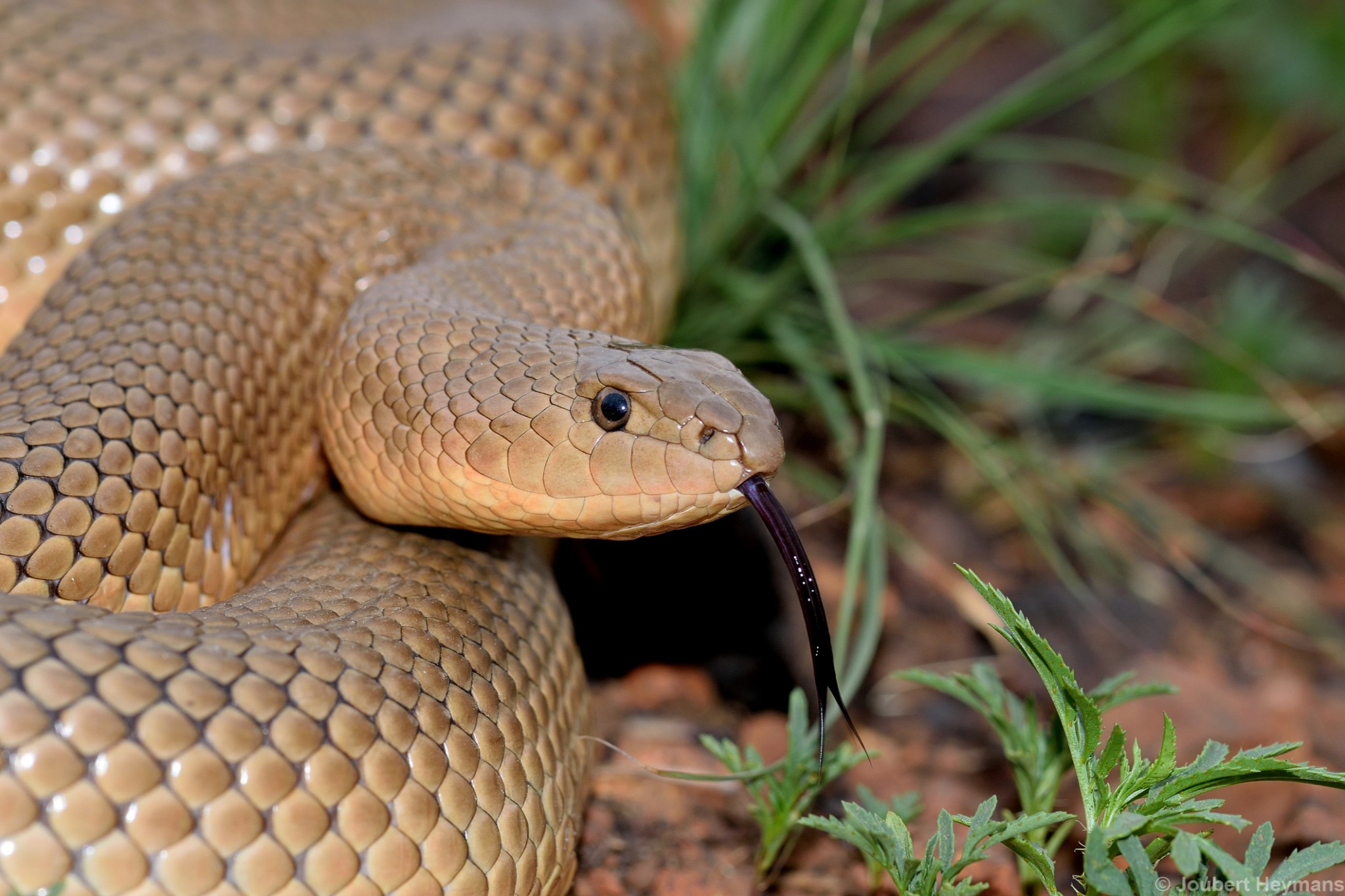
Mole Snake Adult from Midrand, Gauteng (Head View) © Joubert Heymans, some rights reserved (CC-BY-NC-ND)
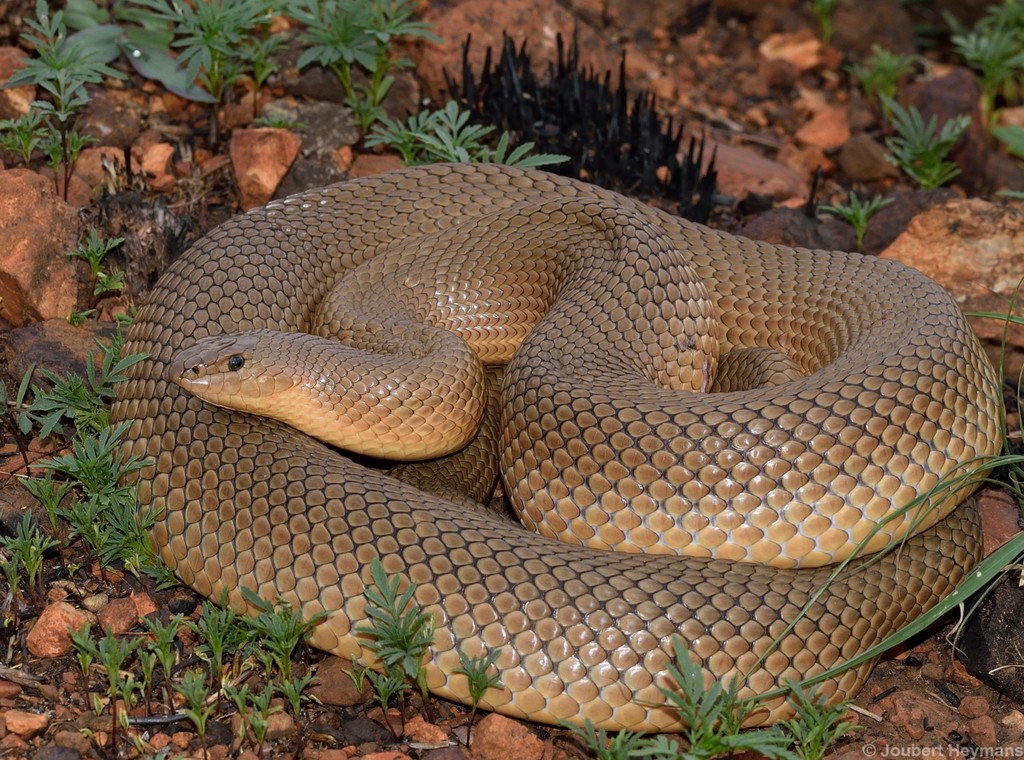
Mole Snake Adult from Midrand, Gauteng © Joubert Heymans, some rights reserved (CC-BY-NC-ND)
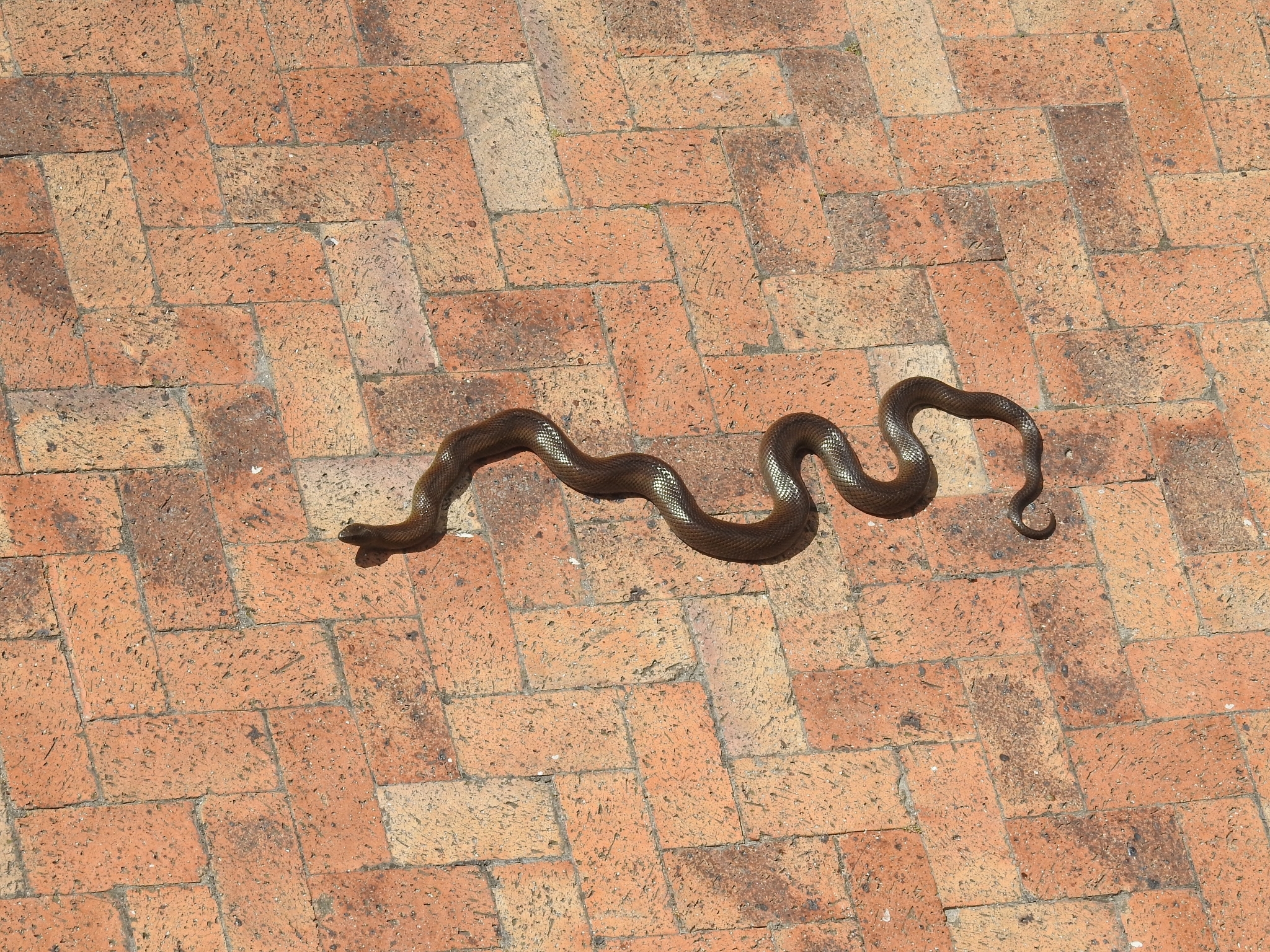
Mole Snake Adult from Milnerton, Cape Town © rmaritz, some rights reserved (CC-BY-NC)
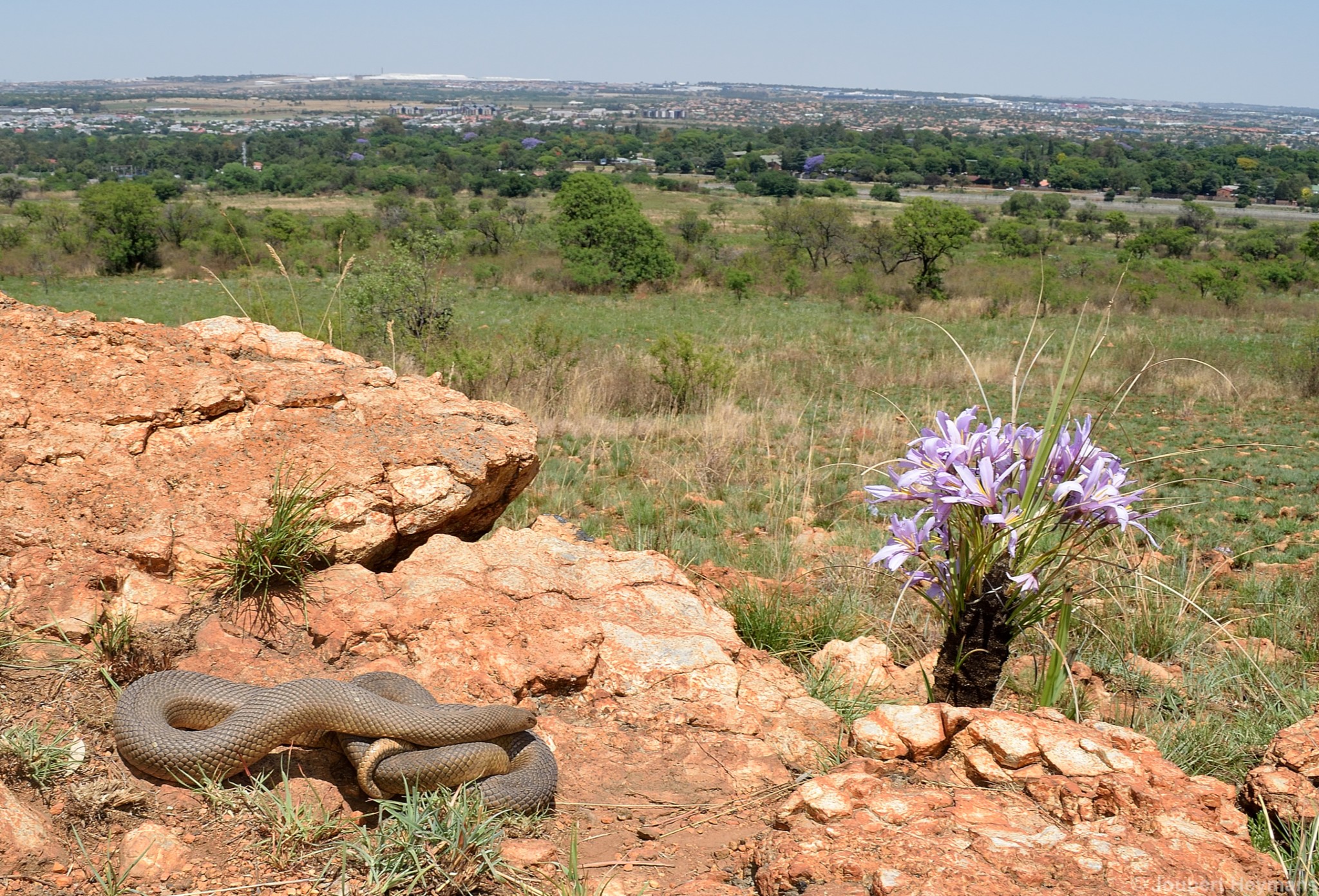
Mole Snake Adult from Modderfontein, Gauteng © Joubert Heymans, some rights reserved (CC-BY-NC-ND)
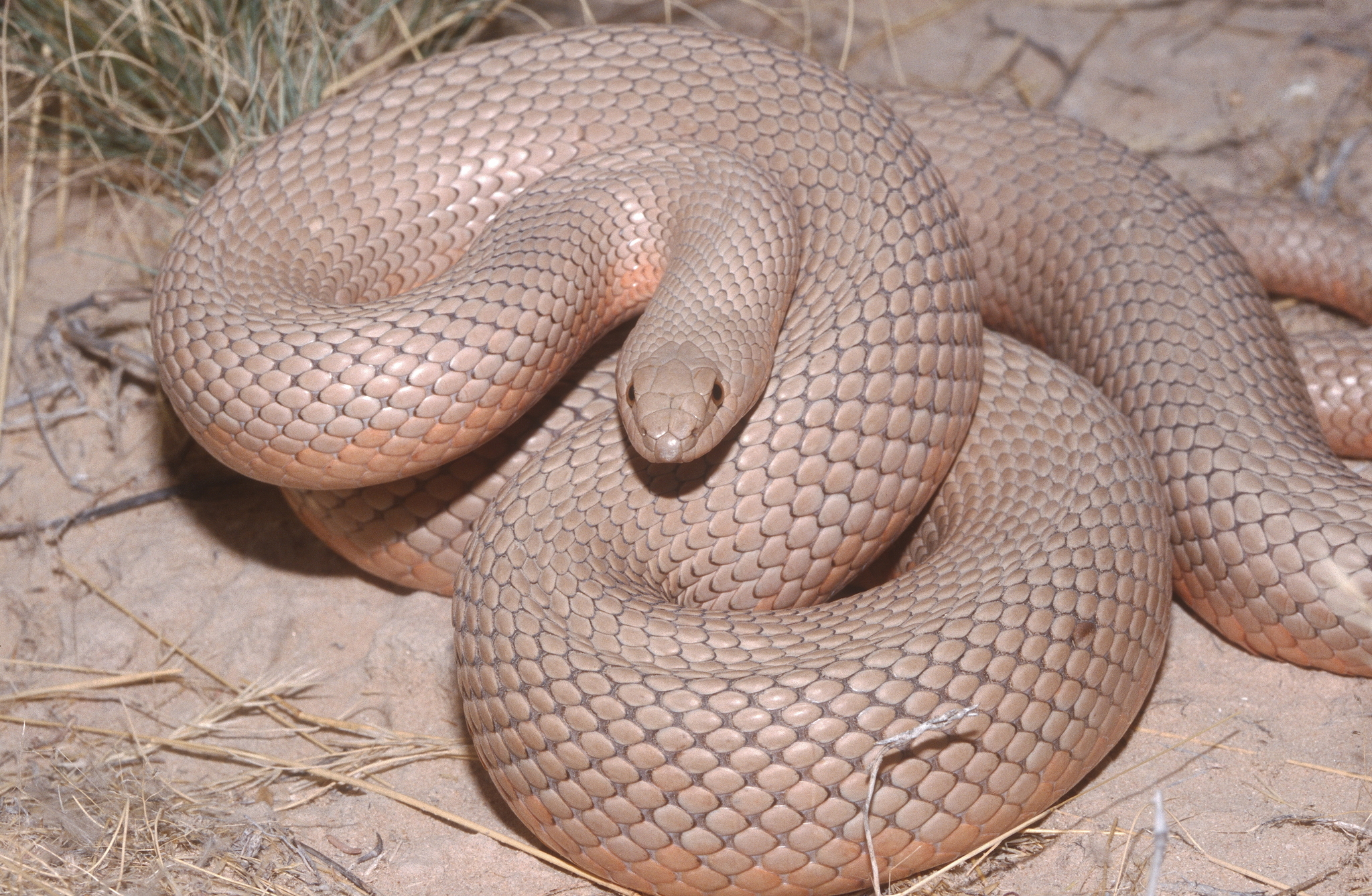
Mole Snake Adult from near Askham, Northern Cape © Vincent Rufray, some rights reserved (CC-BY-NC)
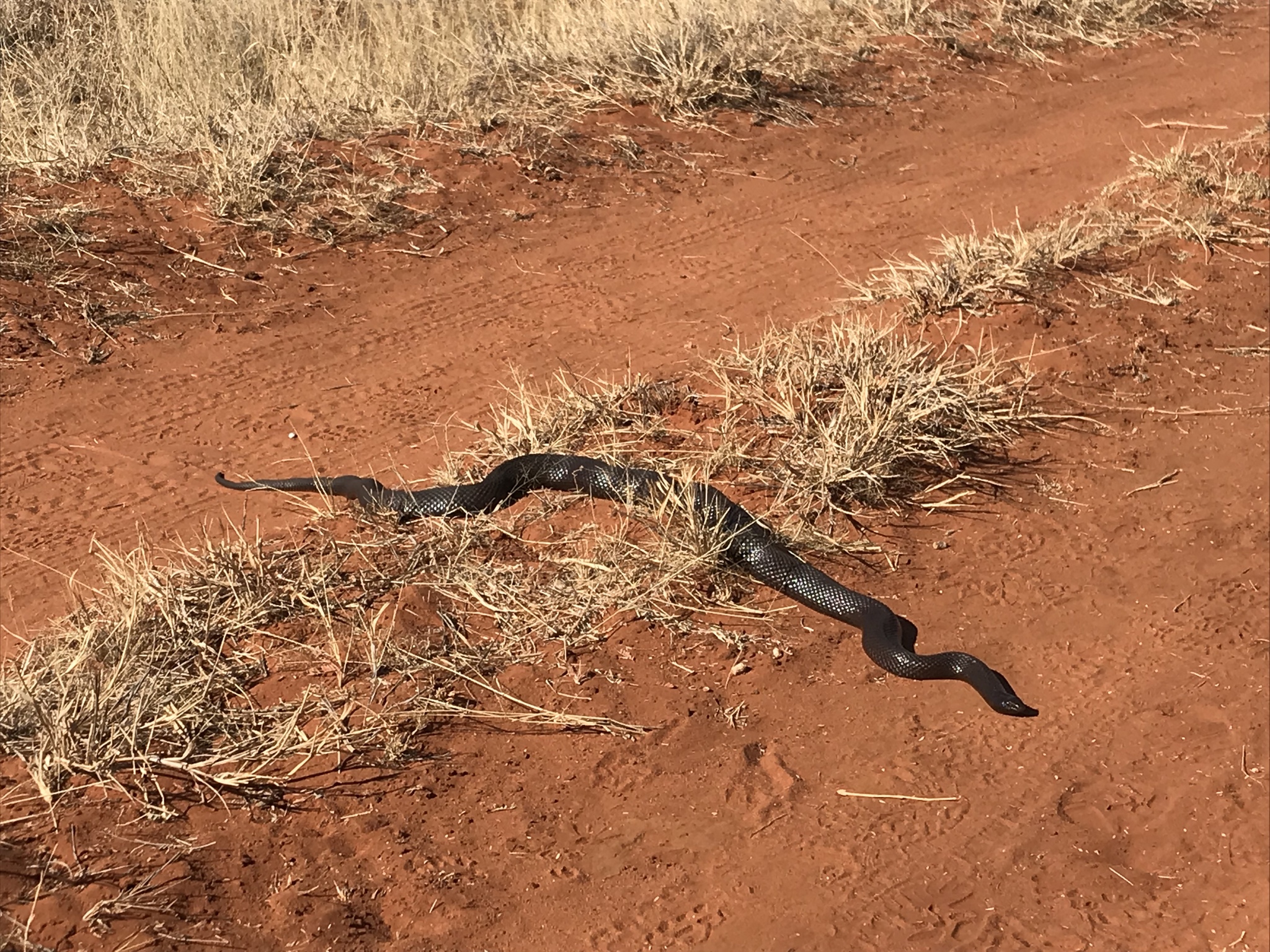
Mole Snake Adult from near Kimberley © Sam McCarren, some rights reserved (CC-BY)
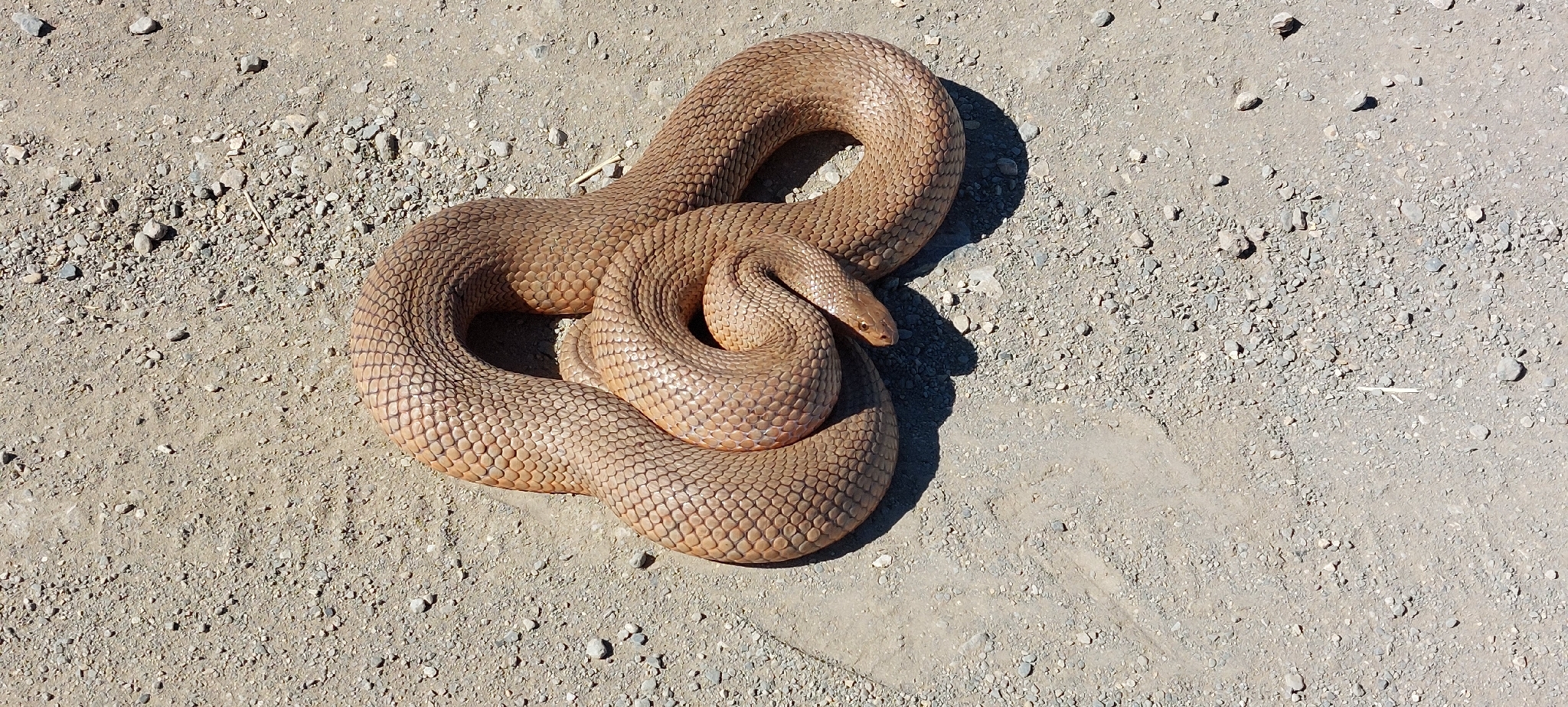
Mole Snake Adult from near Kimberley, Northern Cape © ZM Smit, some rights reserved (CC-BY-NC)
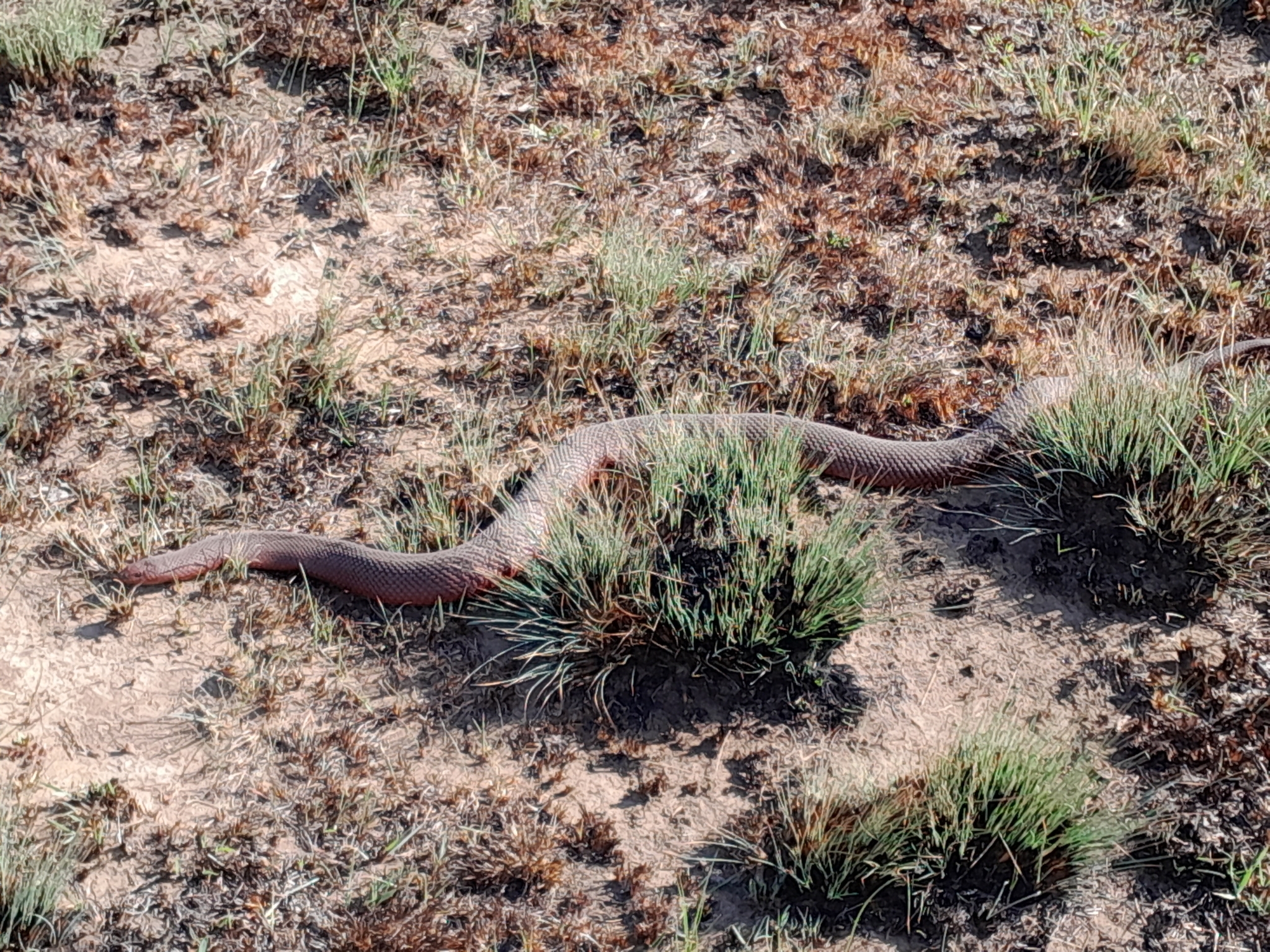
Mole Snake Adult from near Memel, Orange Free State © stevenwevans, some rights reserved (CC-BY-NC)
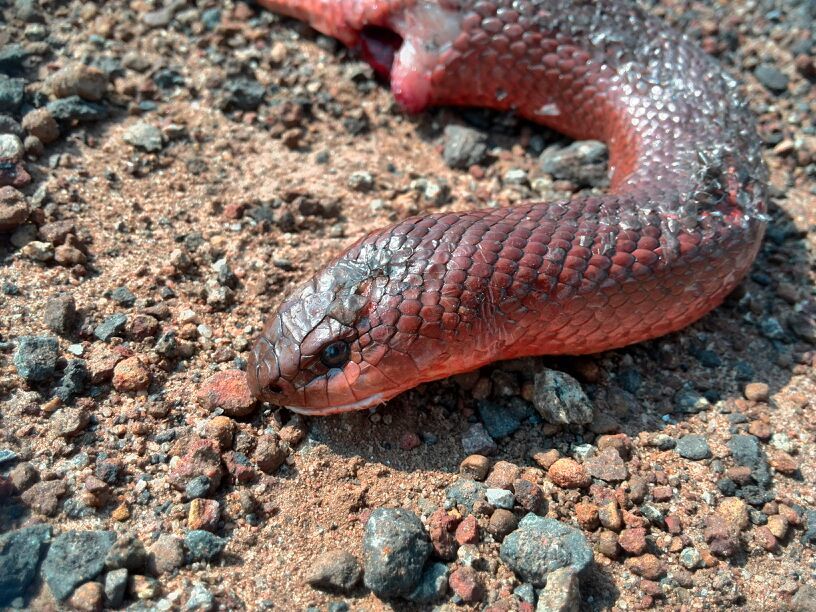
Mole Snake Adult from near Newcastle, Kwazulu-Natal © mlouw, some rights reserved (CC-BY-NC)
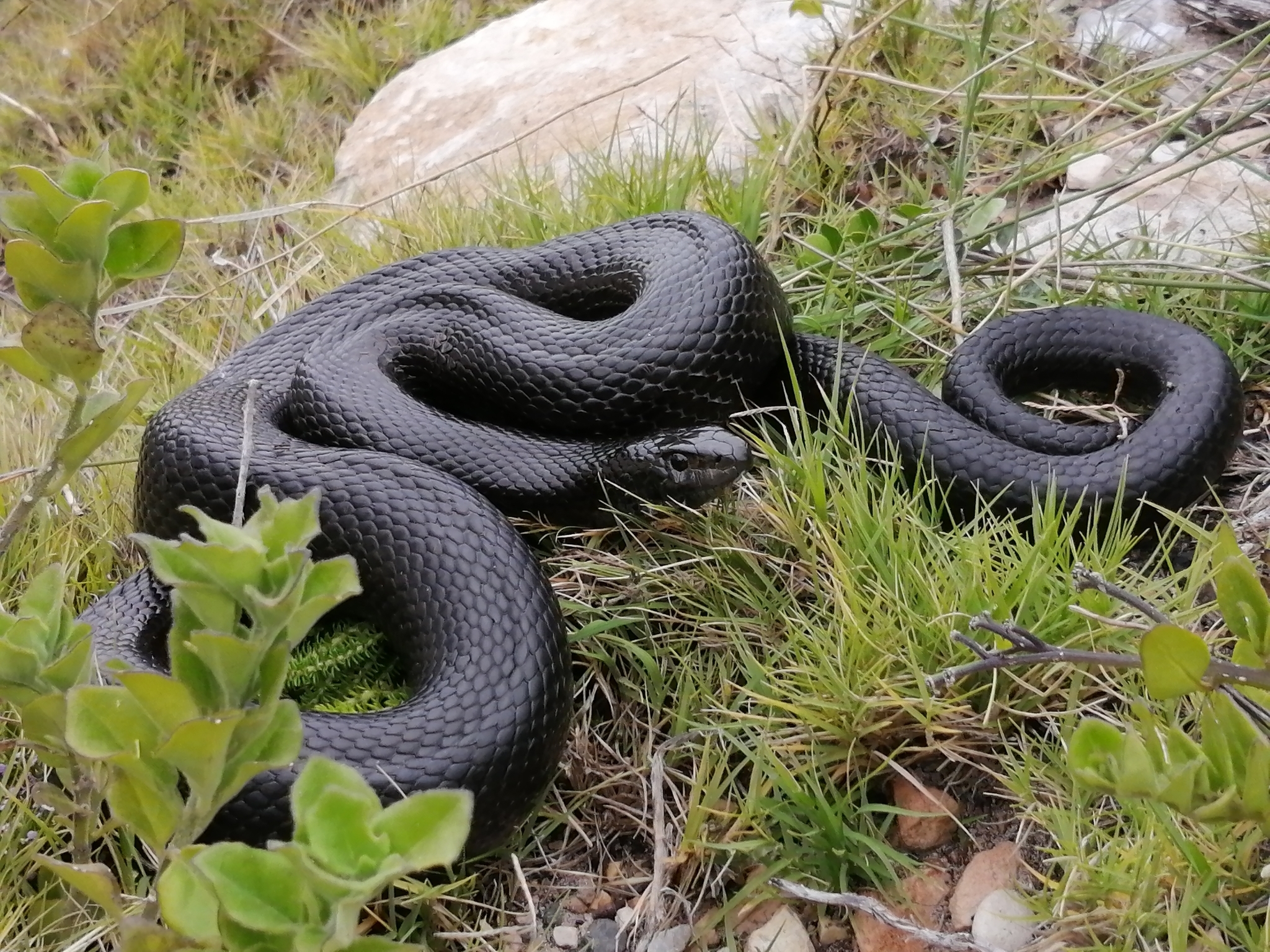
Mole Snake Adult from near Overberg, Western Cape © Frank Gaude, some rights reserved (CC-BY-NC)
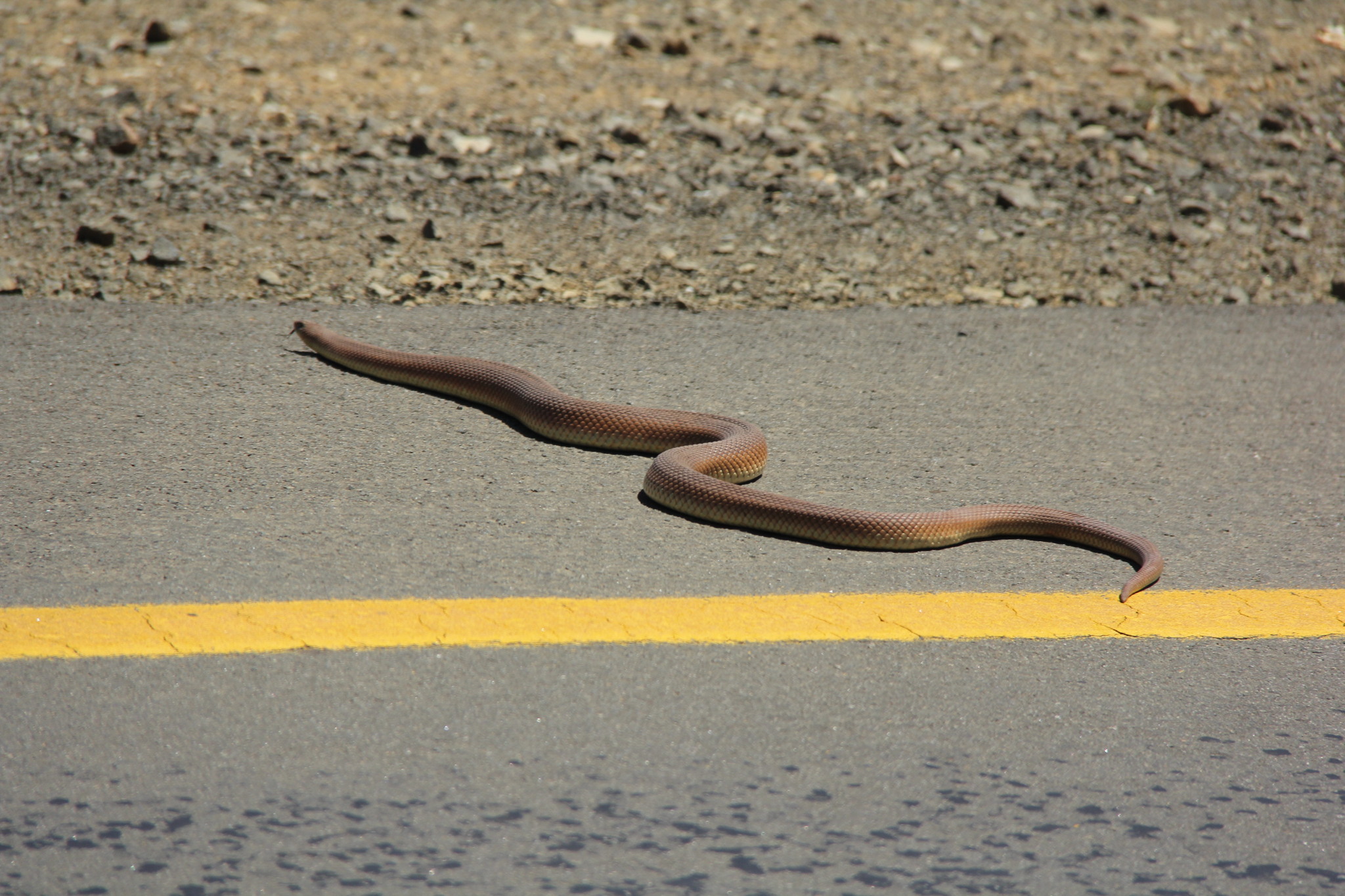
Mole Snake Adult from near Rhodes, Eastern Cape © Ryan E. Gray, some rights reserved (CC-BY-NC)
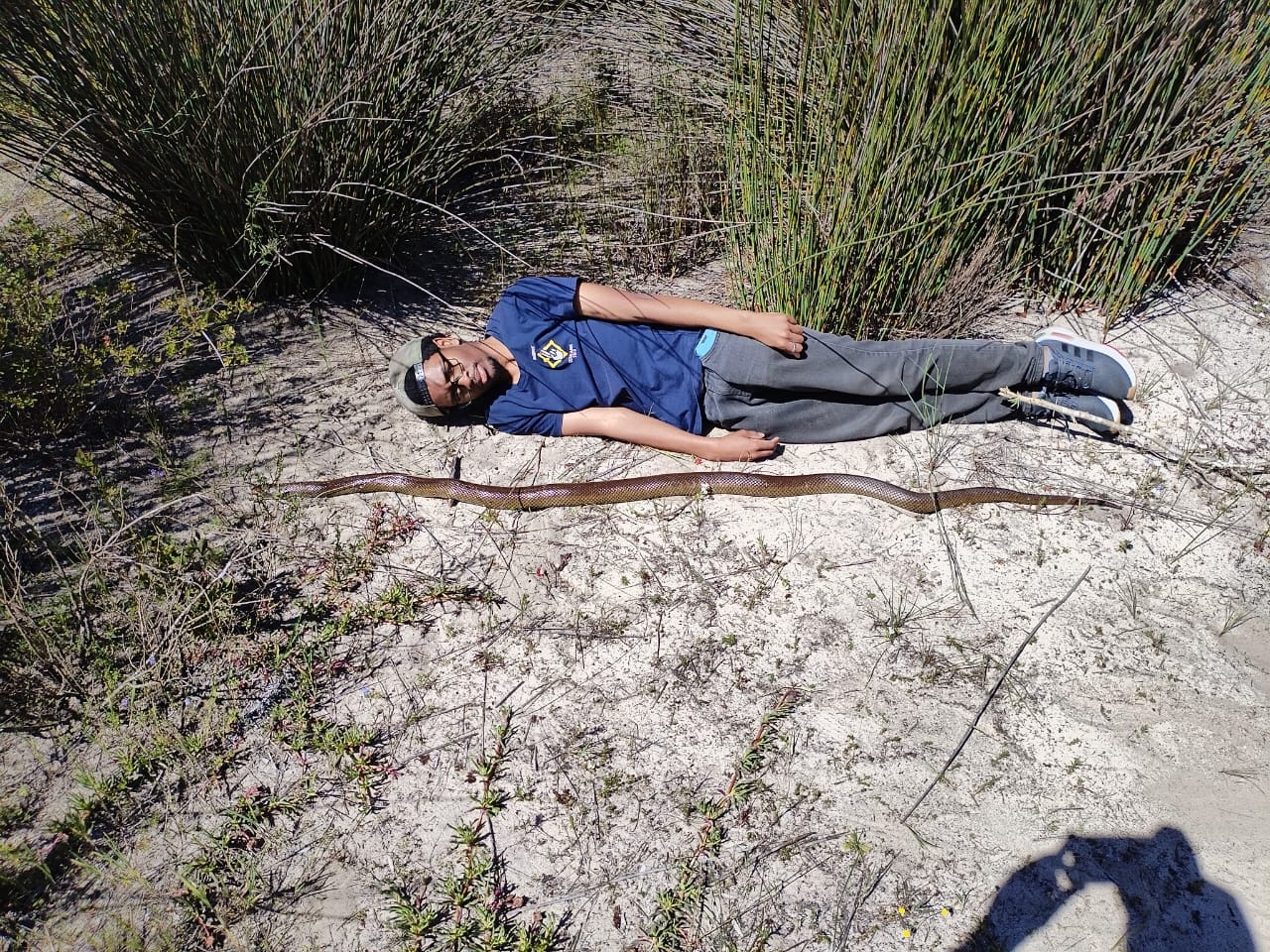
Mole Snake Adult from University of the Western Cape © Samkelo Mbovane, some rights reserved (CC-BY-NC)
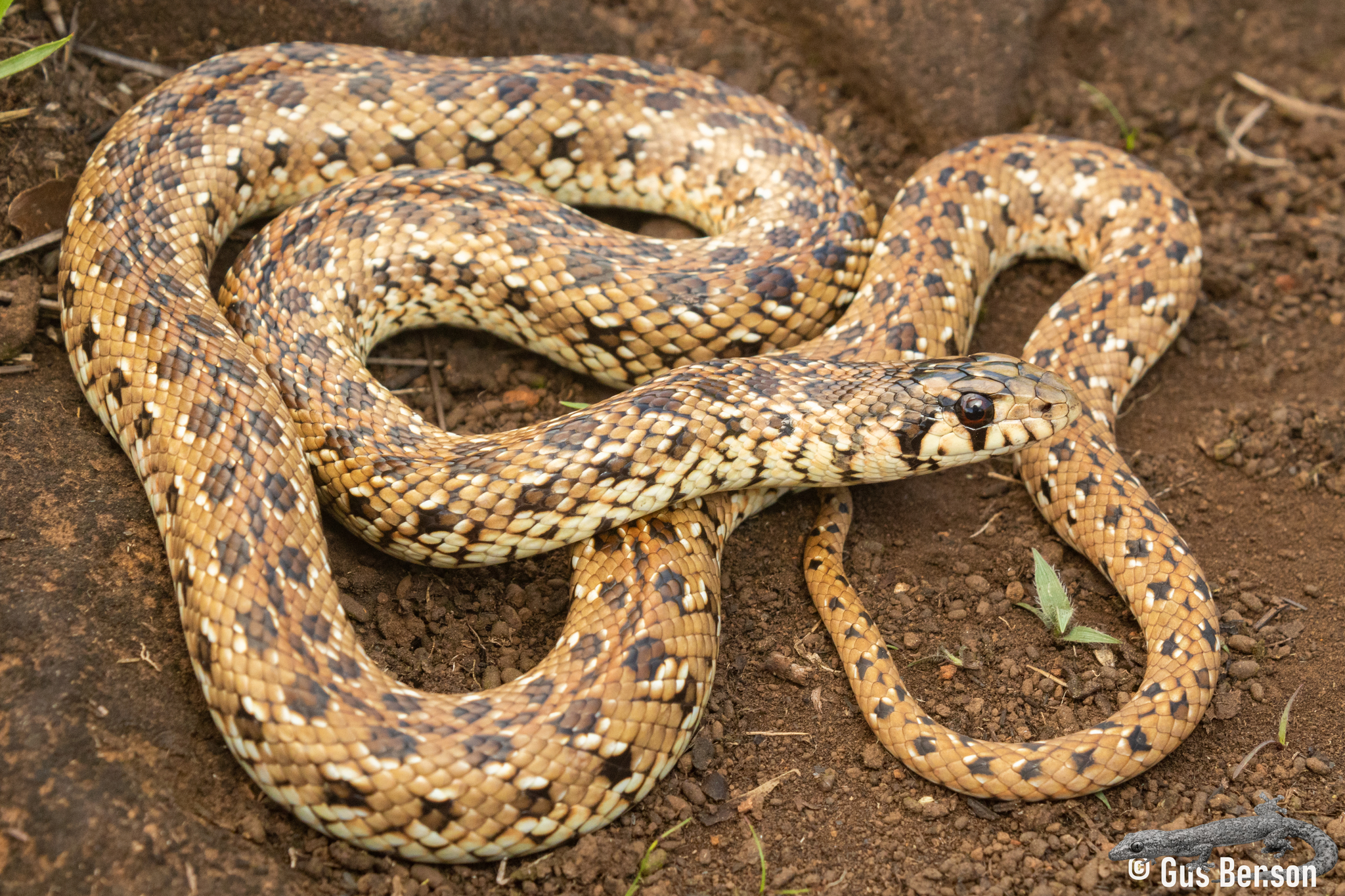
Mole Snake Juvenile Body View from near Lions River, Kwazulu-Natal © Gus Benson, some rights reserved (CC-BY-NC)
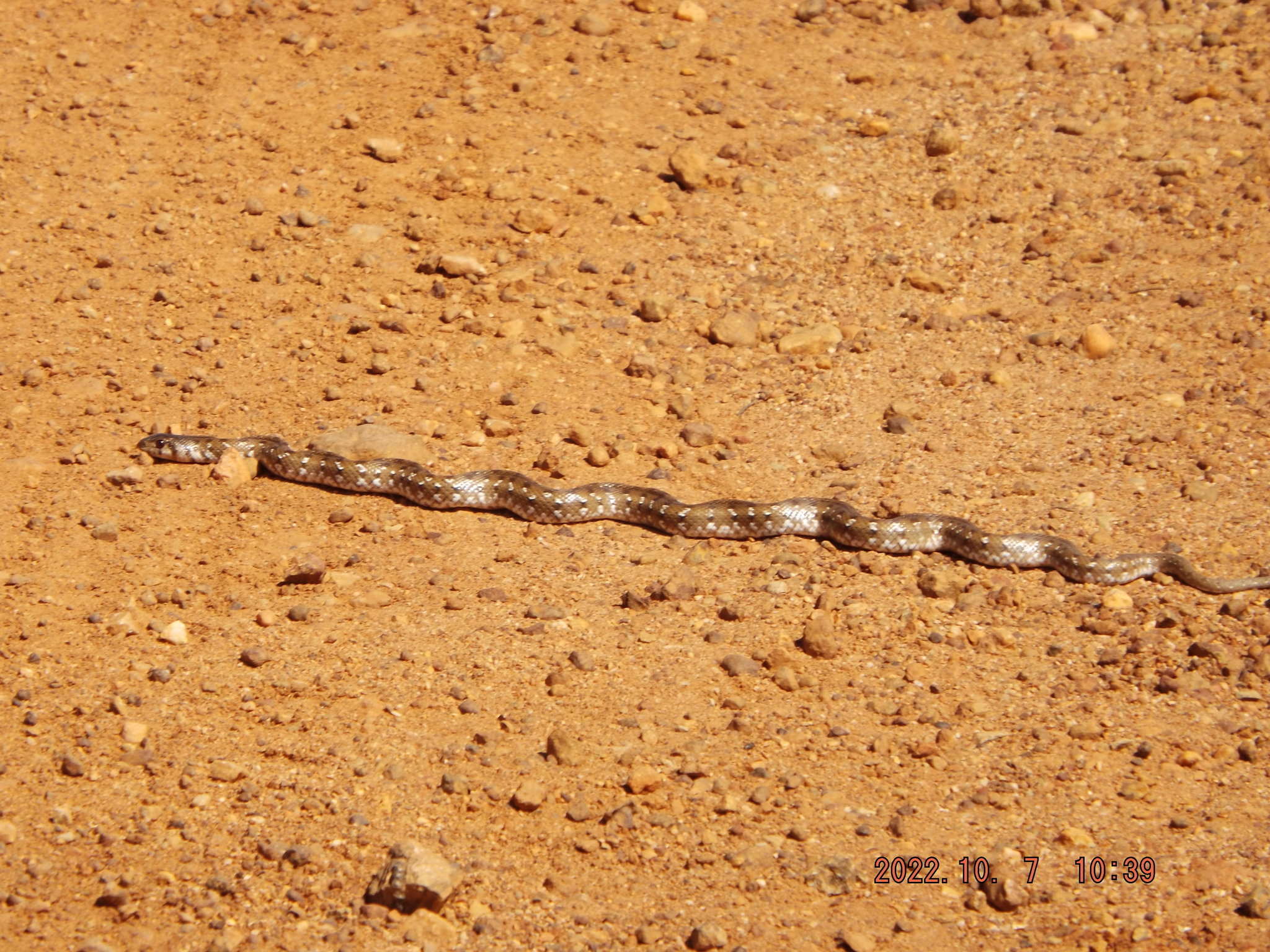
Mole Snake Juvenile from Blaauwberg Nature Reserve, Western Cape © jmatthee, some rights reserved (CC-BY-NC)
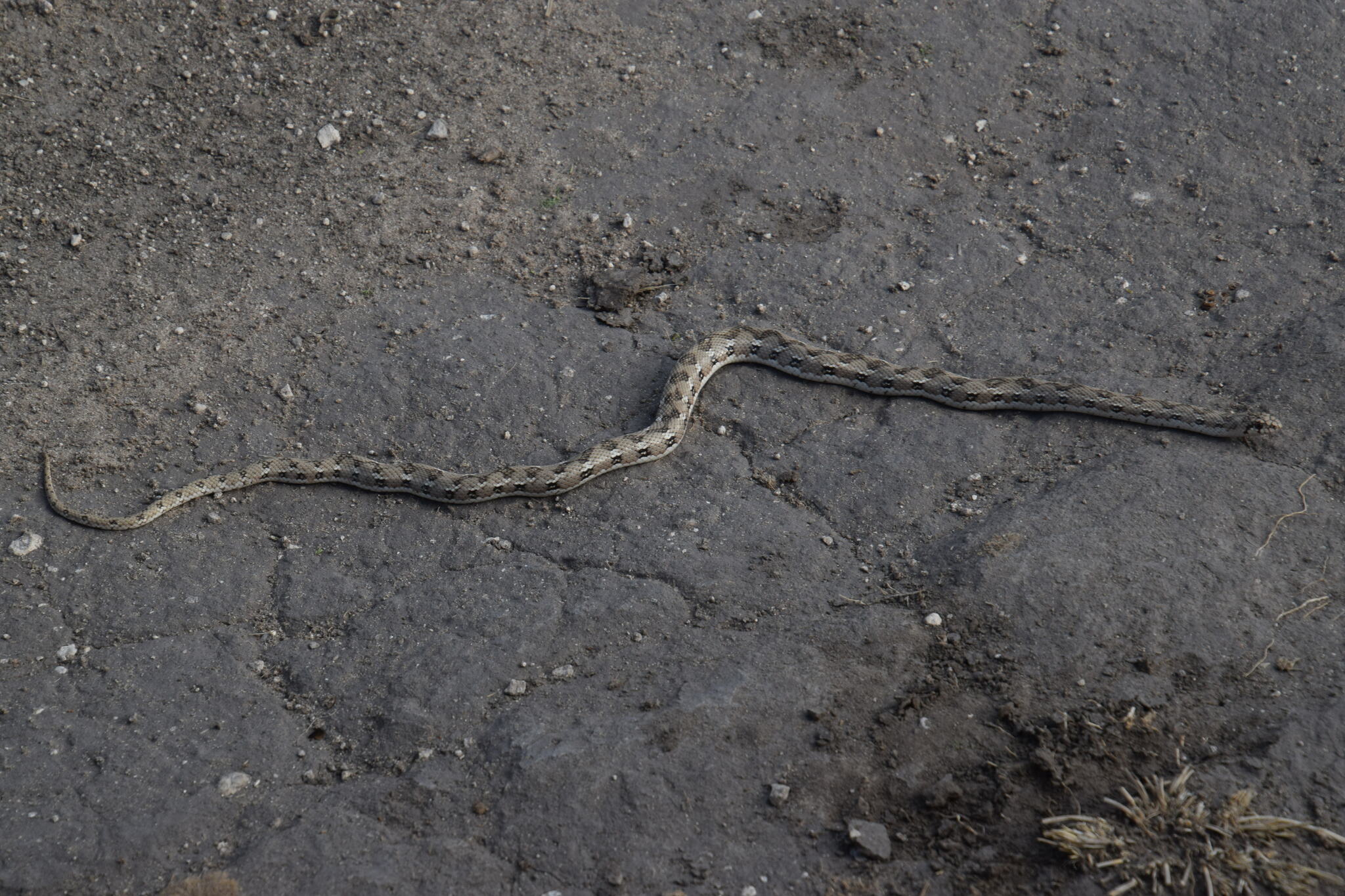
Mole Snake Juvenile from Central Kalahari Game Reserve, Botswana © tiloa, some rights reserved (CC-BY-NC)
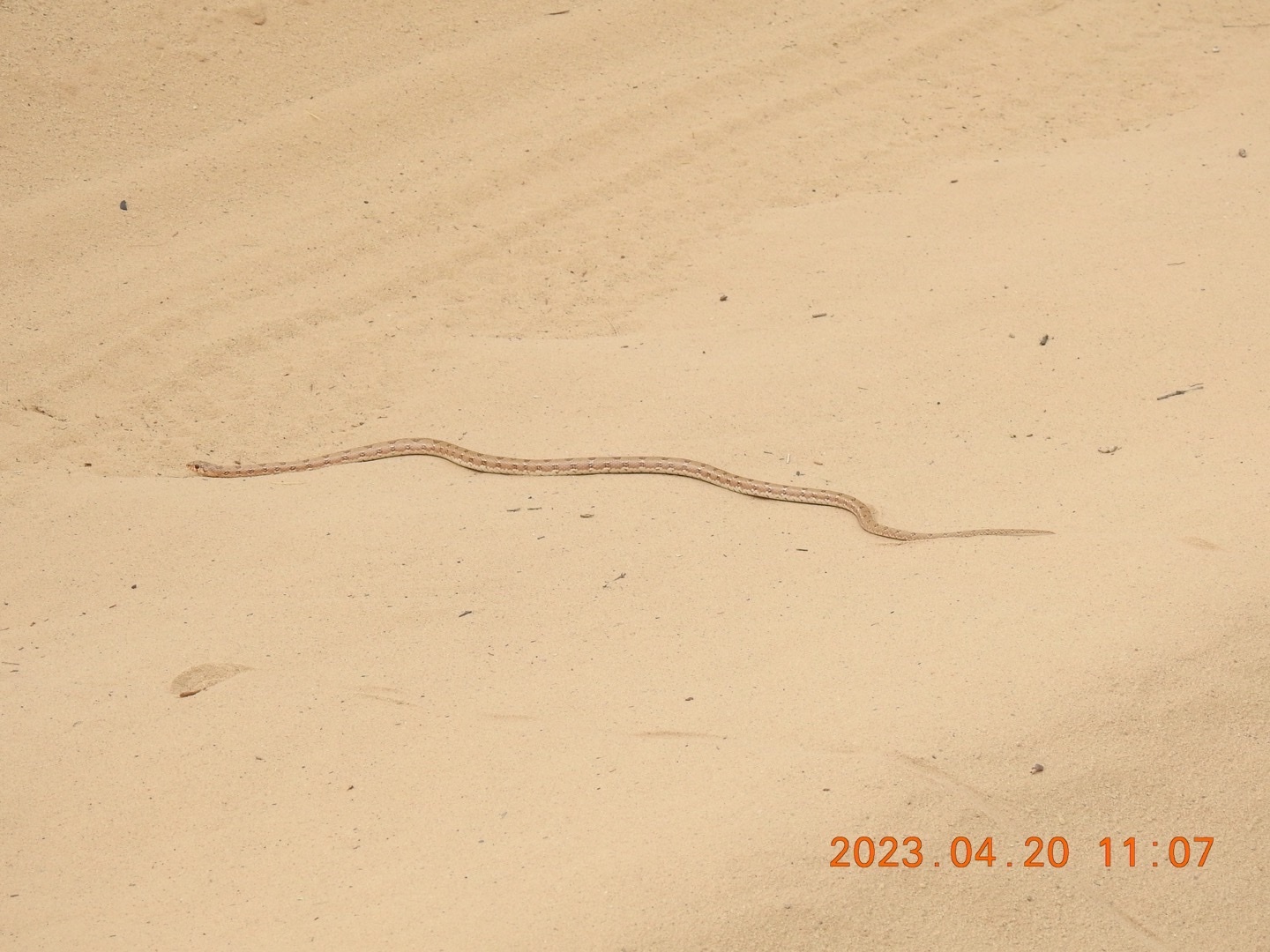
Mole Snake Juvenile from Kgalagadi Transfrontier Park, Northern Cape © corkwood, some rights reserved (CC-BY-NC)
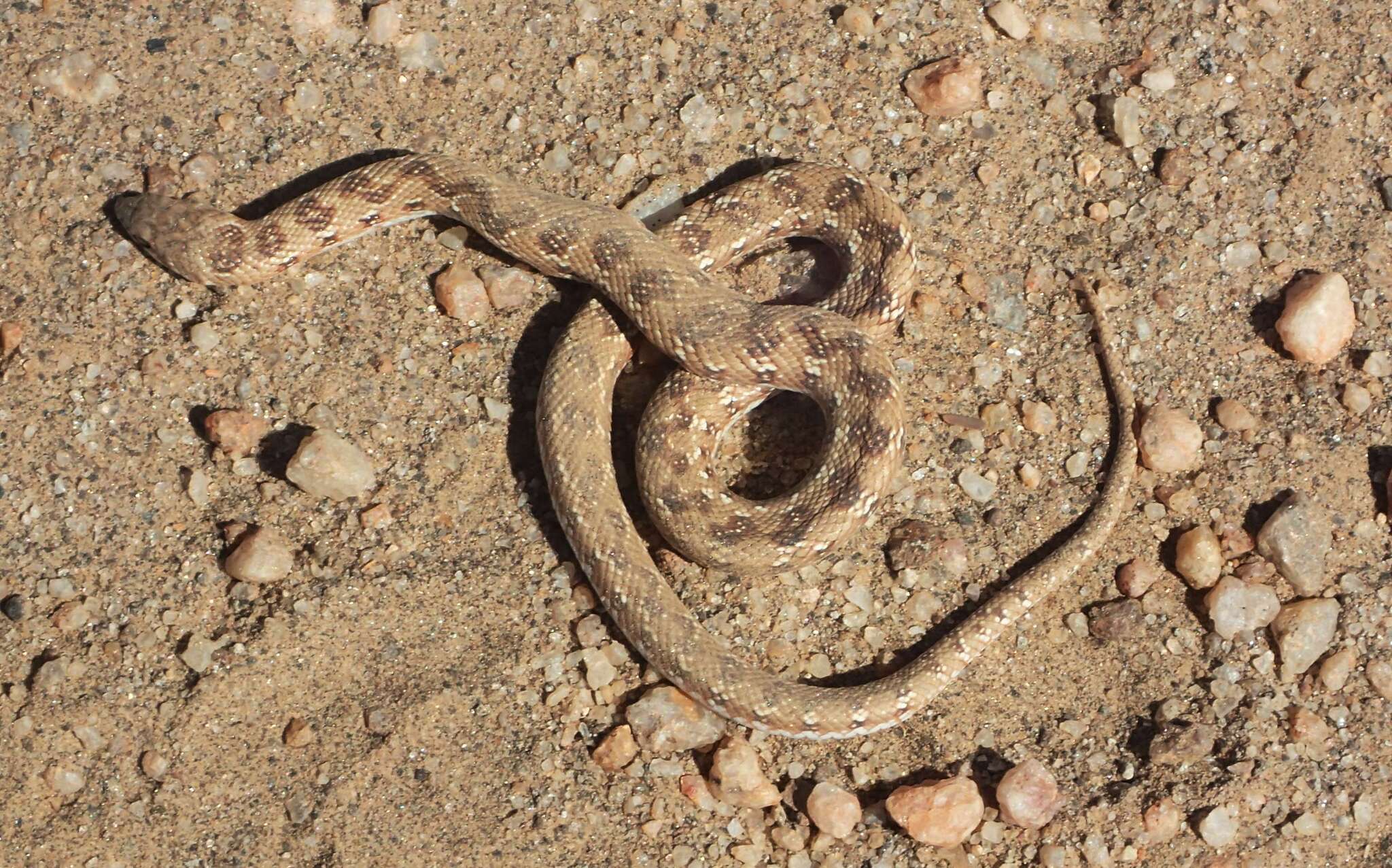
Mole Snake Juvenile from Khomas Region, Namibia © Bryce Williamson, some rights reserved (CC-BY-NC)
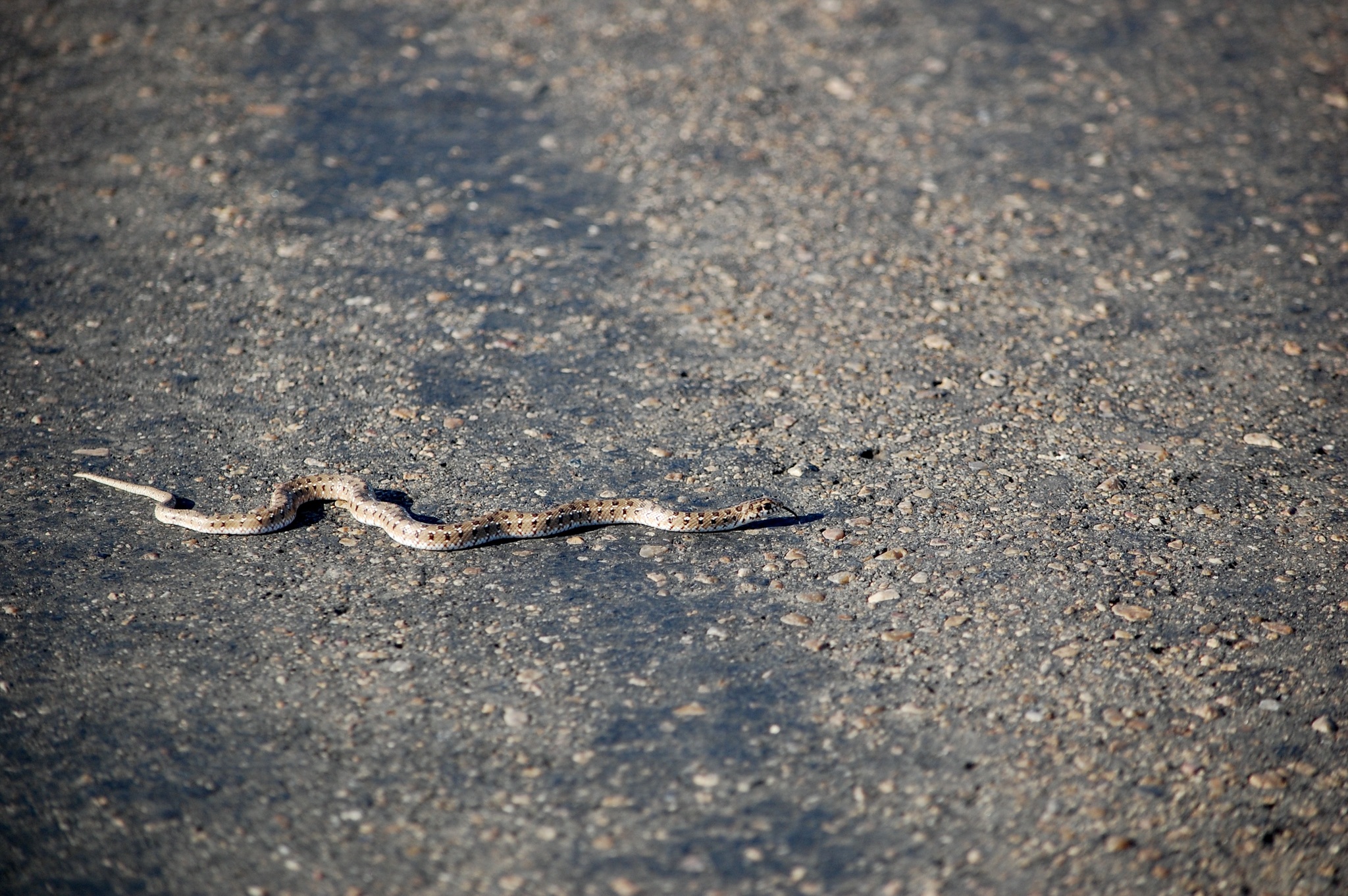
Mole Snake Juvenile from Kruger National Park © Quentin Brunelle, some rights reserved (CC-BY-NC)
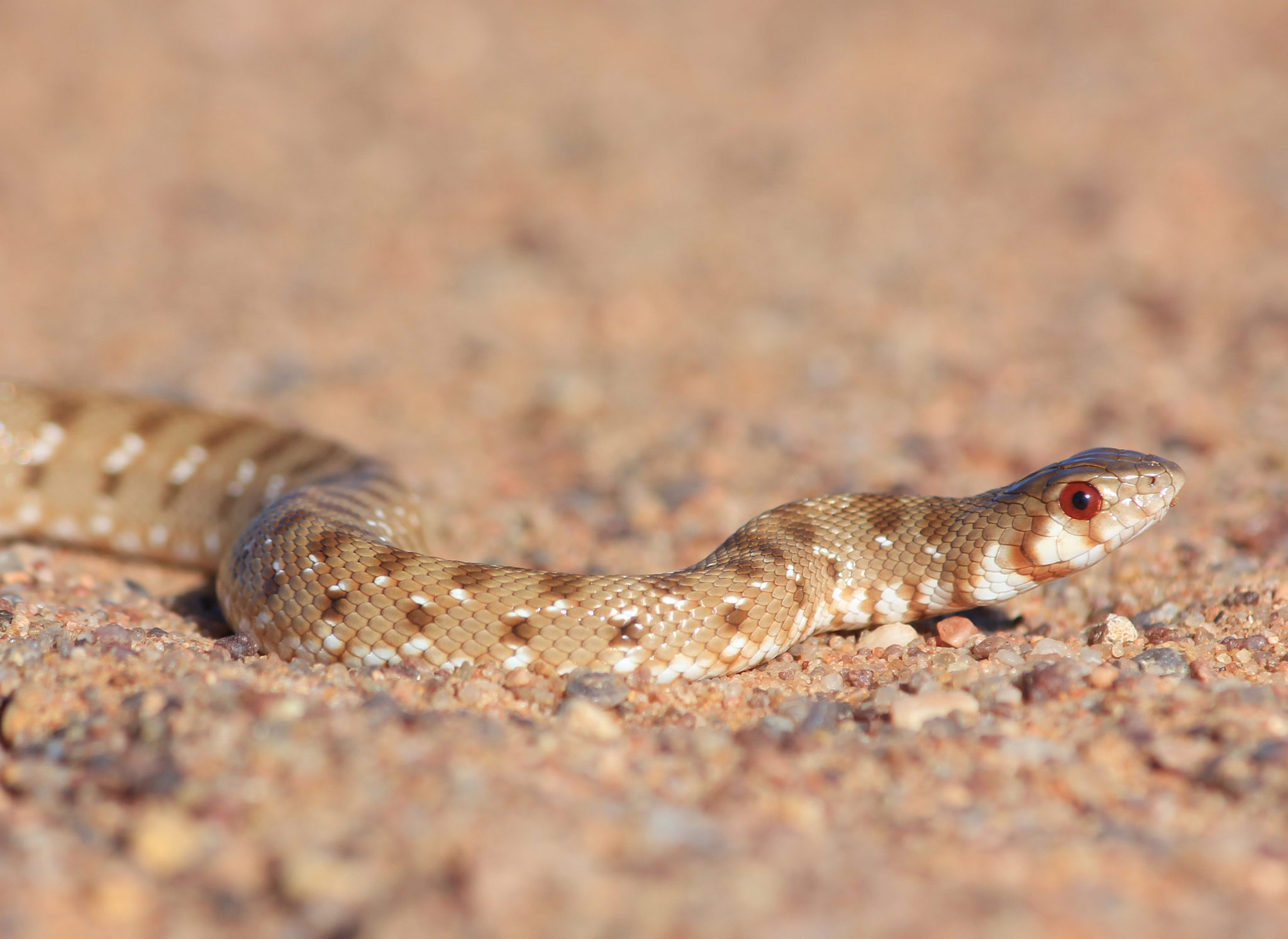
Mole Snake Juvenile from Namaqua National Park, Northern Cape © Ryan van Huyssteen, some rights reserved (CC-BY)
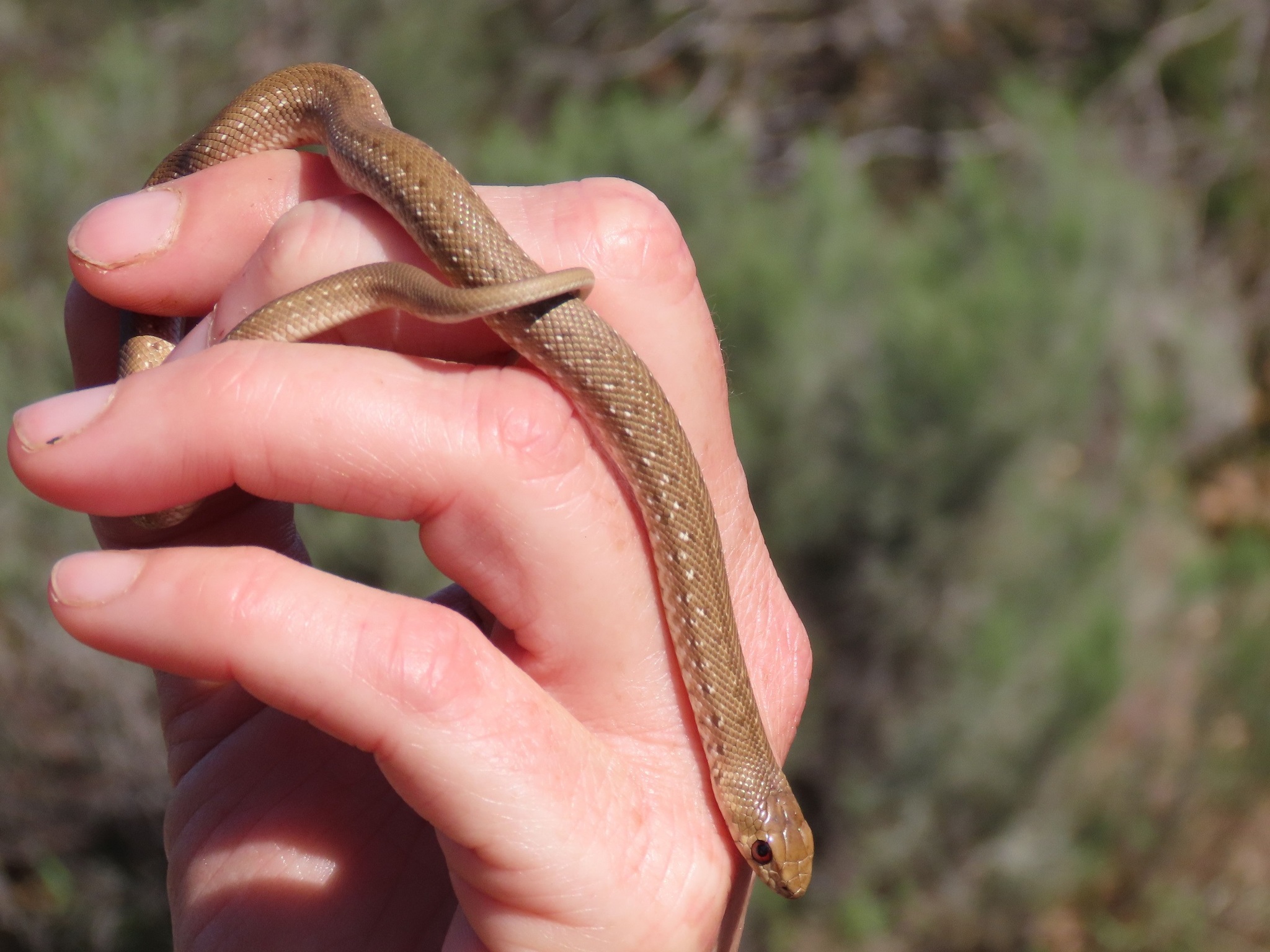
Mole Snake Juvenile from near Hermon, Western Cape © Fiona Hellmann, some rights reserved (CC-BY-NC)
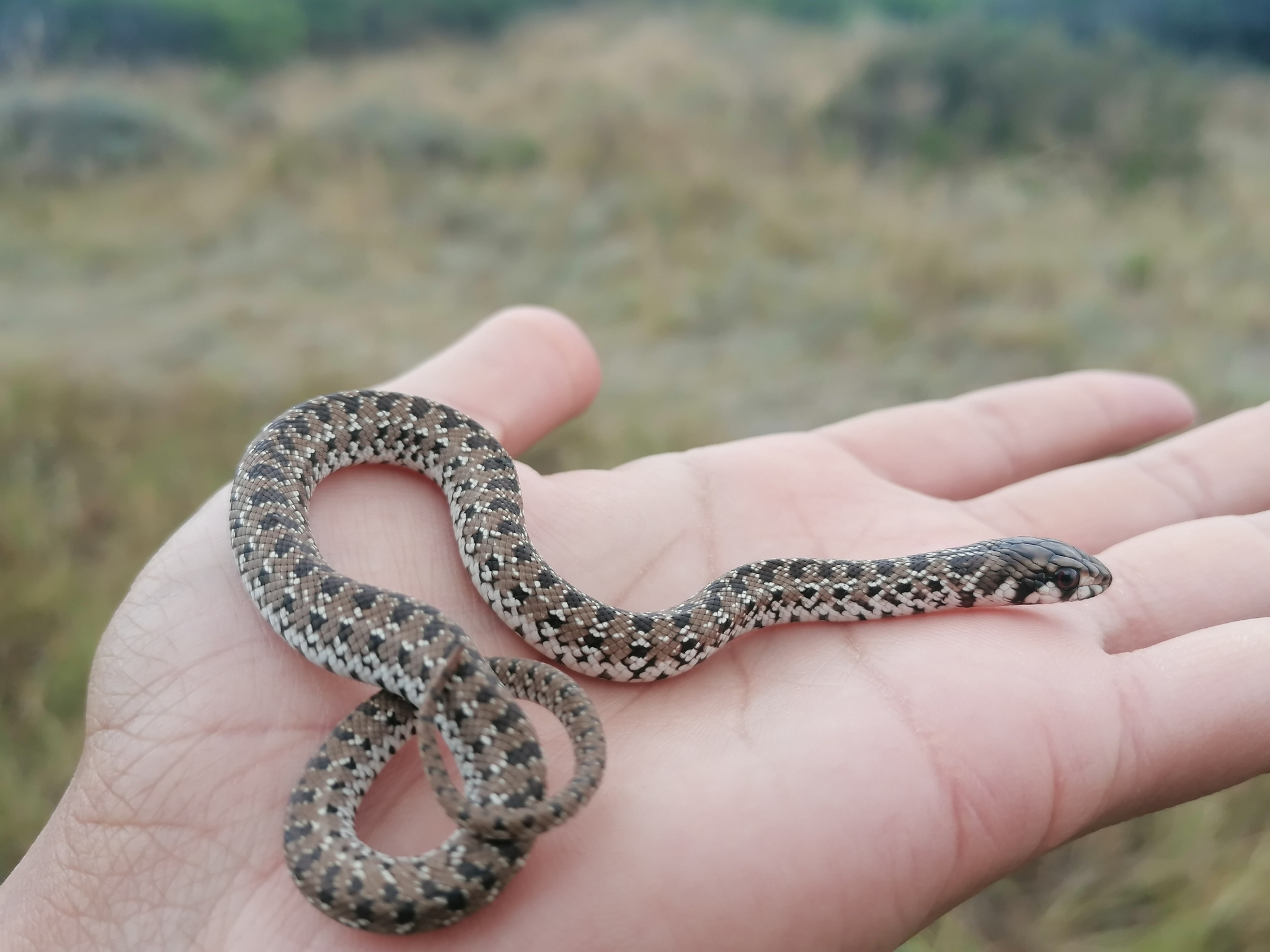
Mole Snake Juvenile from near Kenilworth, Western Cape © Fayruz Prins, some rights reserved (CC-BY-NC)
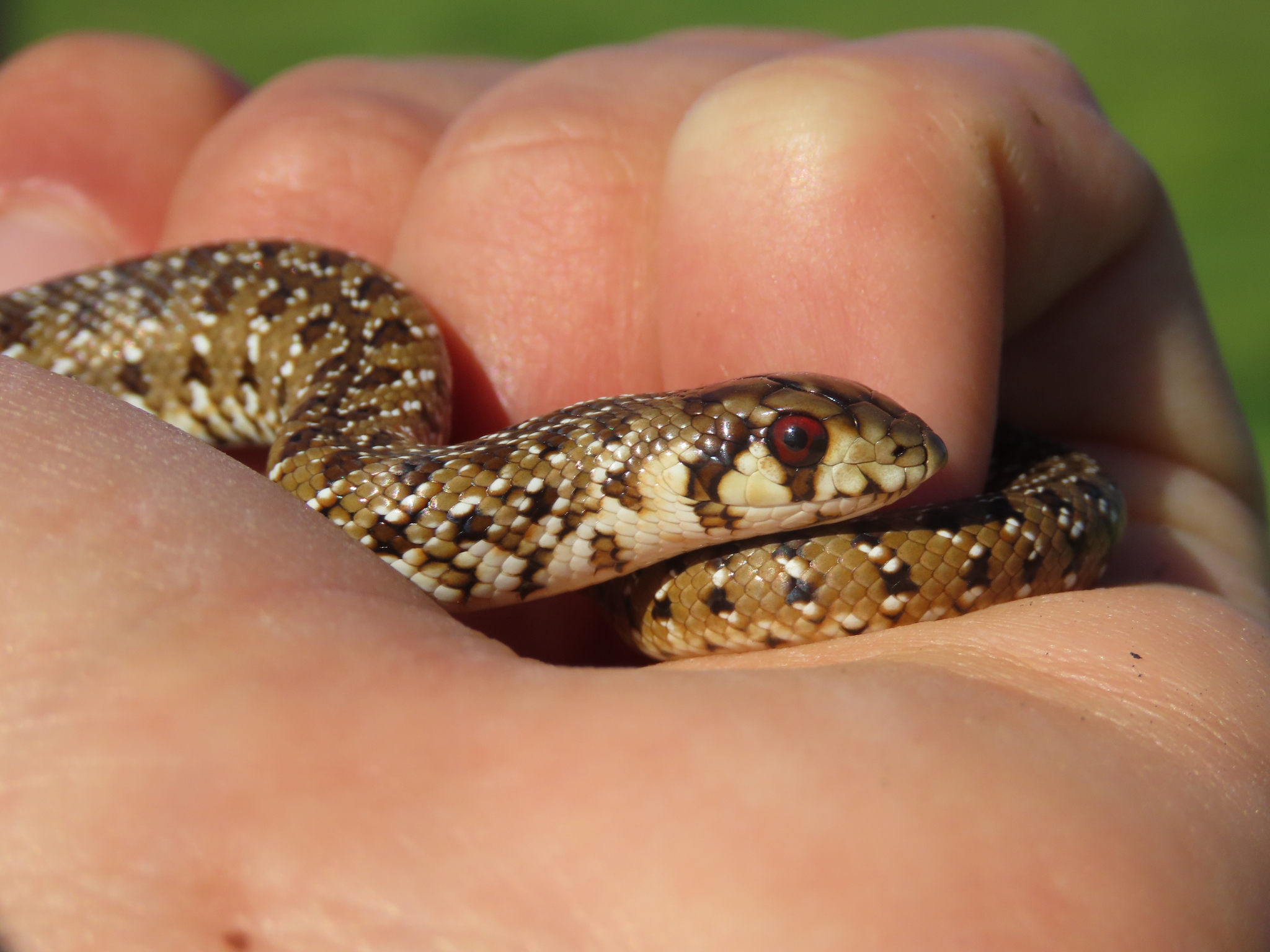
Mole Snake Juvenile from near Klapmuts, Western Cape © Nicolaas Myburgh, some rights reserved (CC-BY-NC)
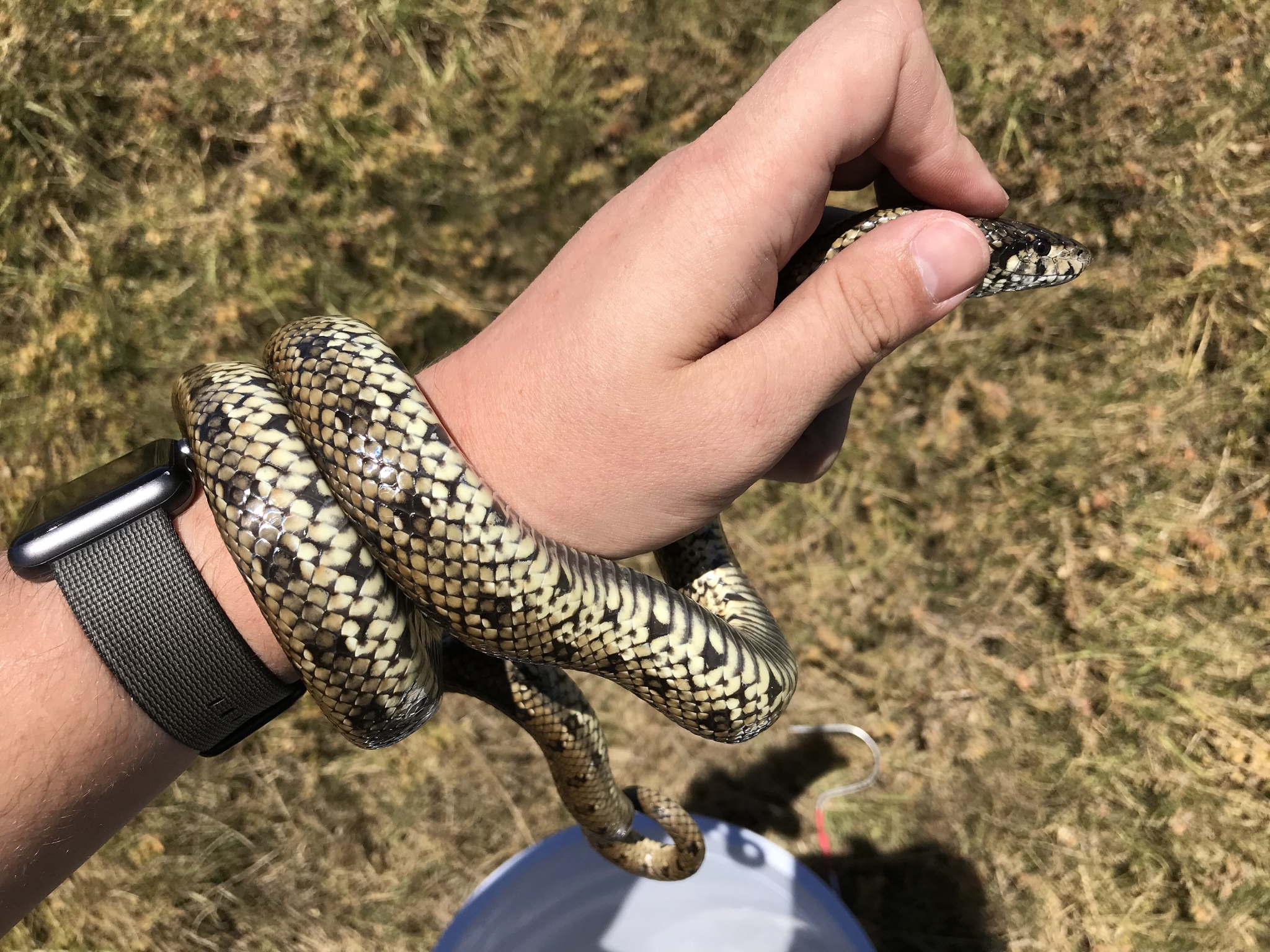
Mole Snake Juvenile from near Milnerton, Western Cape © Willem Van Zyl, some rights reserved (CC-BY-NC)
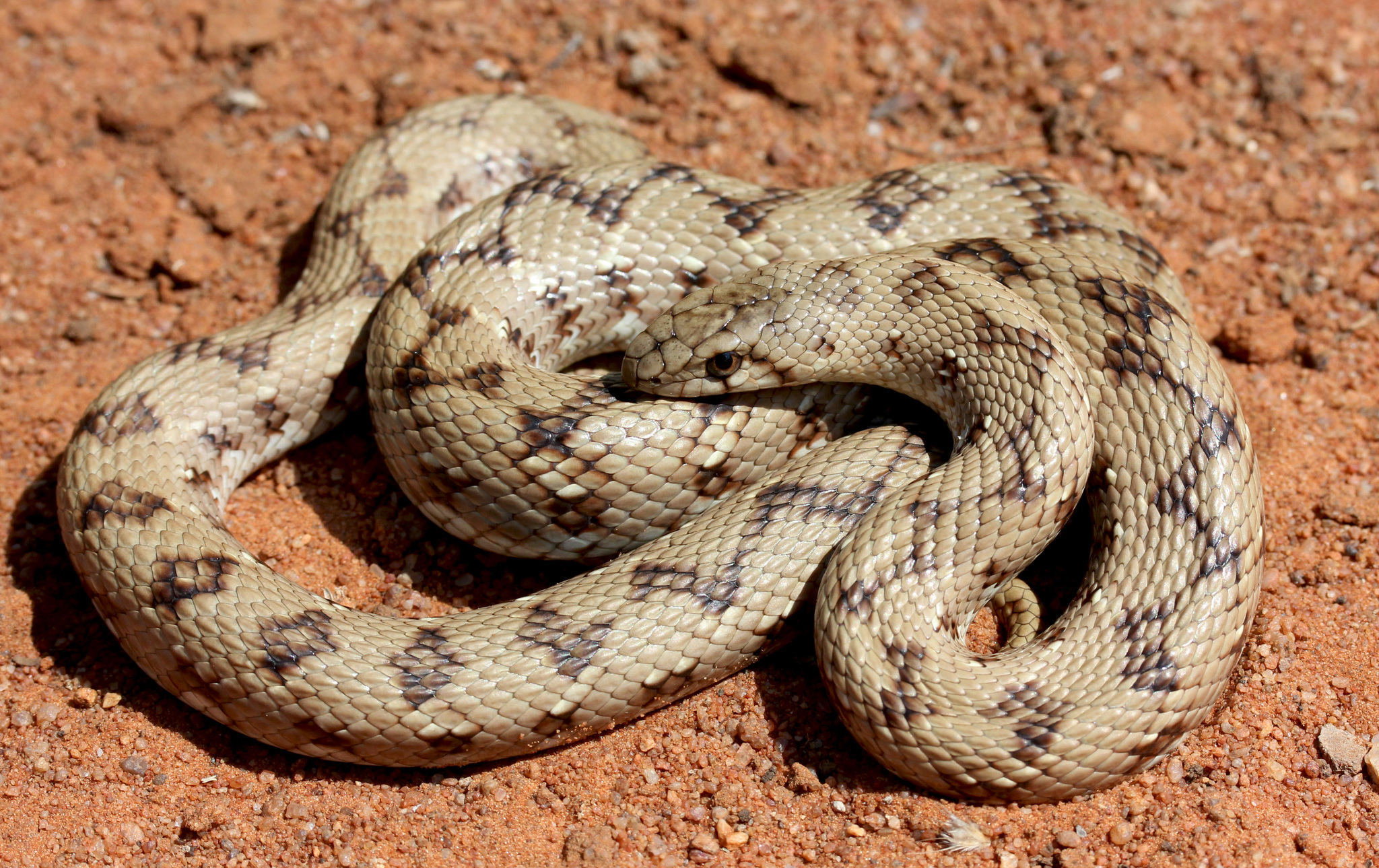
Mole Snake Juvenile from near Tswalu Kalahari Reserve, Northern Cape © Ryan van Huyssteen, some rights reserved (CC-BY)
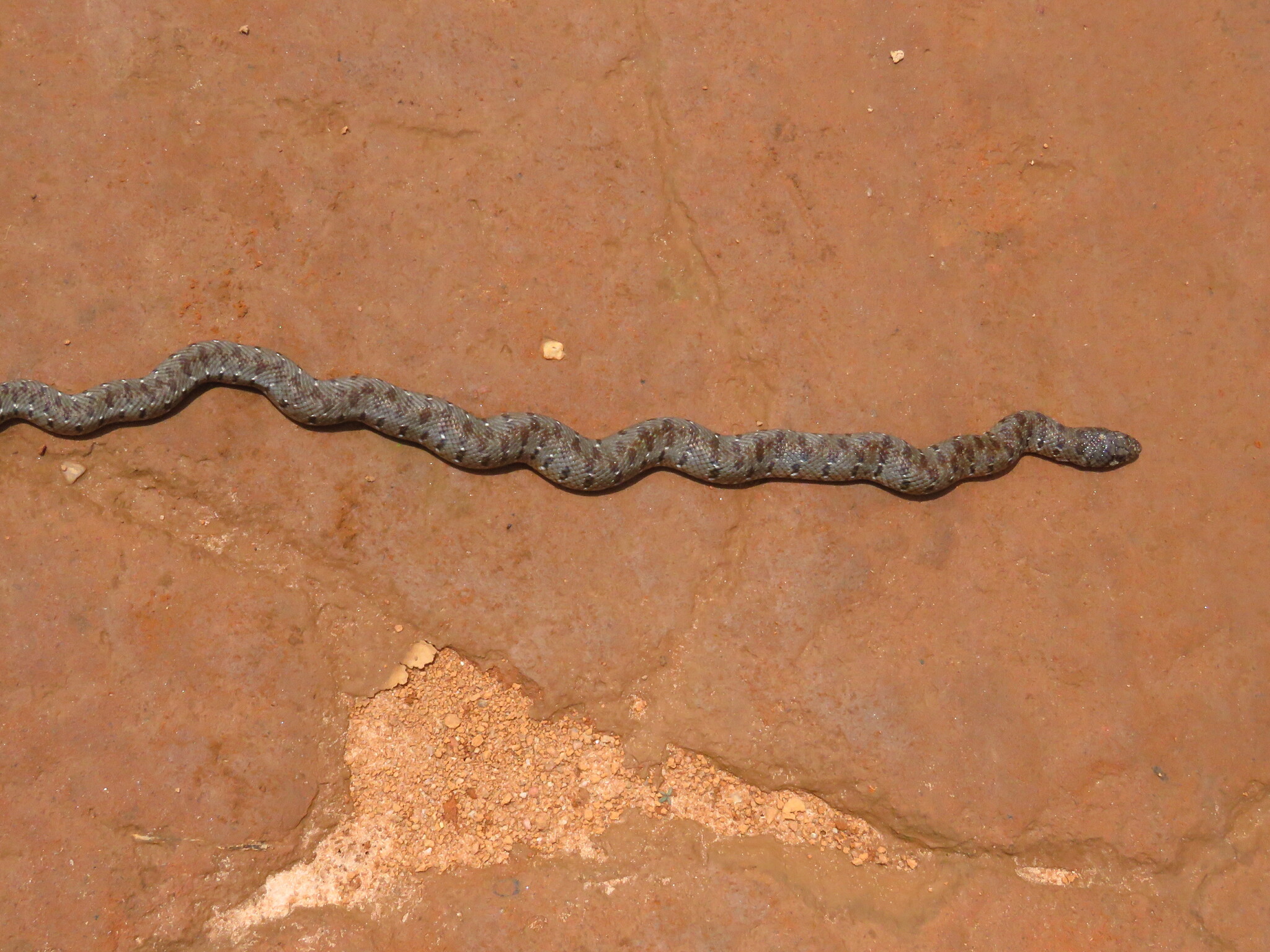
Mole Snake Juvenile from Nyika NP, Malawi © Penny English, some rights reserved (CC-BY-NC)
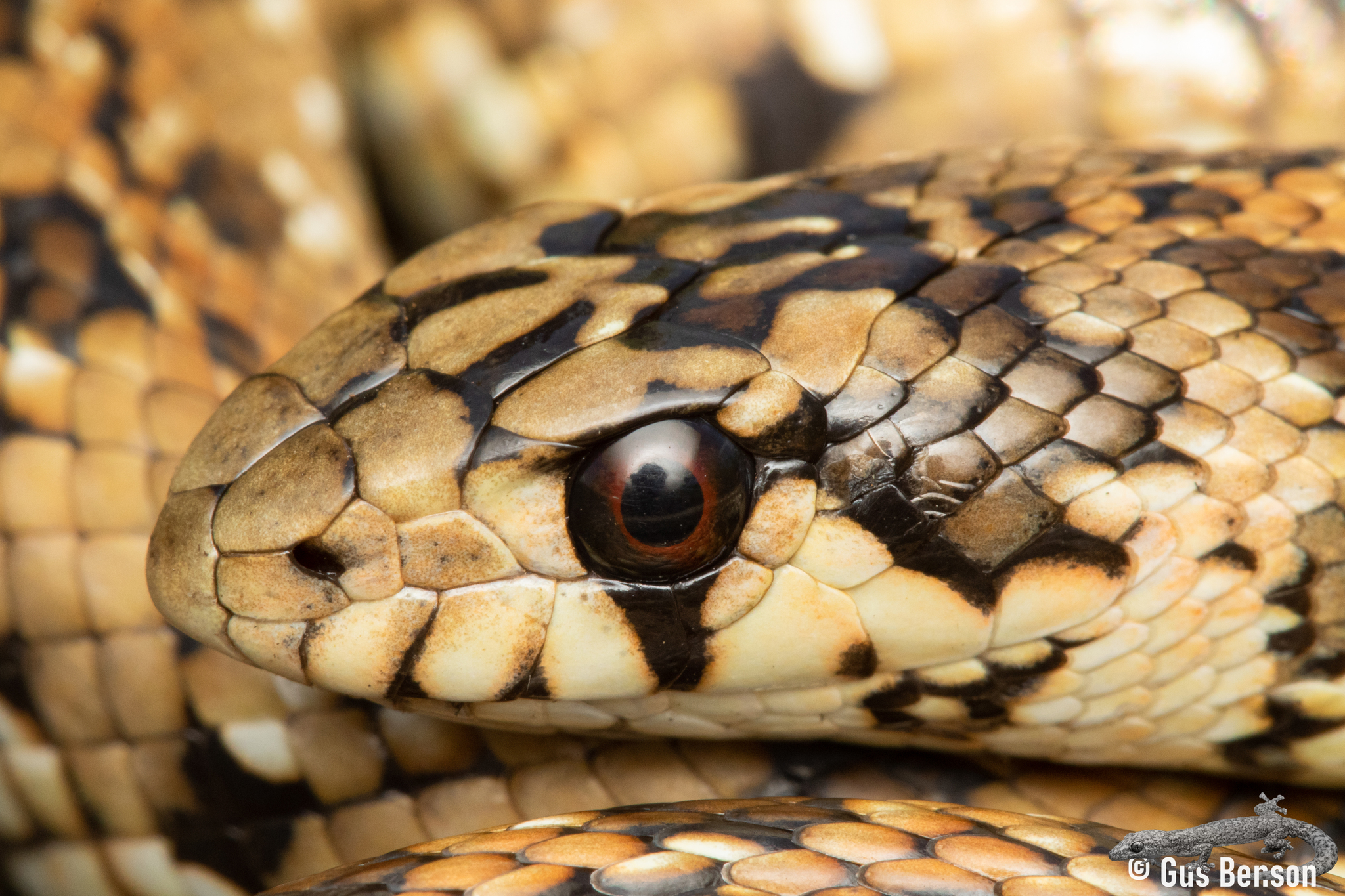
Mole Snake Juvenile Head View from near Lions River, Kwazulu-Natal © Gus Benson, some rights reserved (CC-BY-NC)
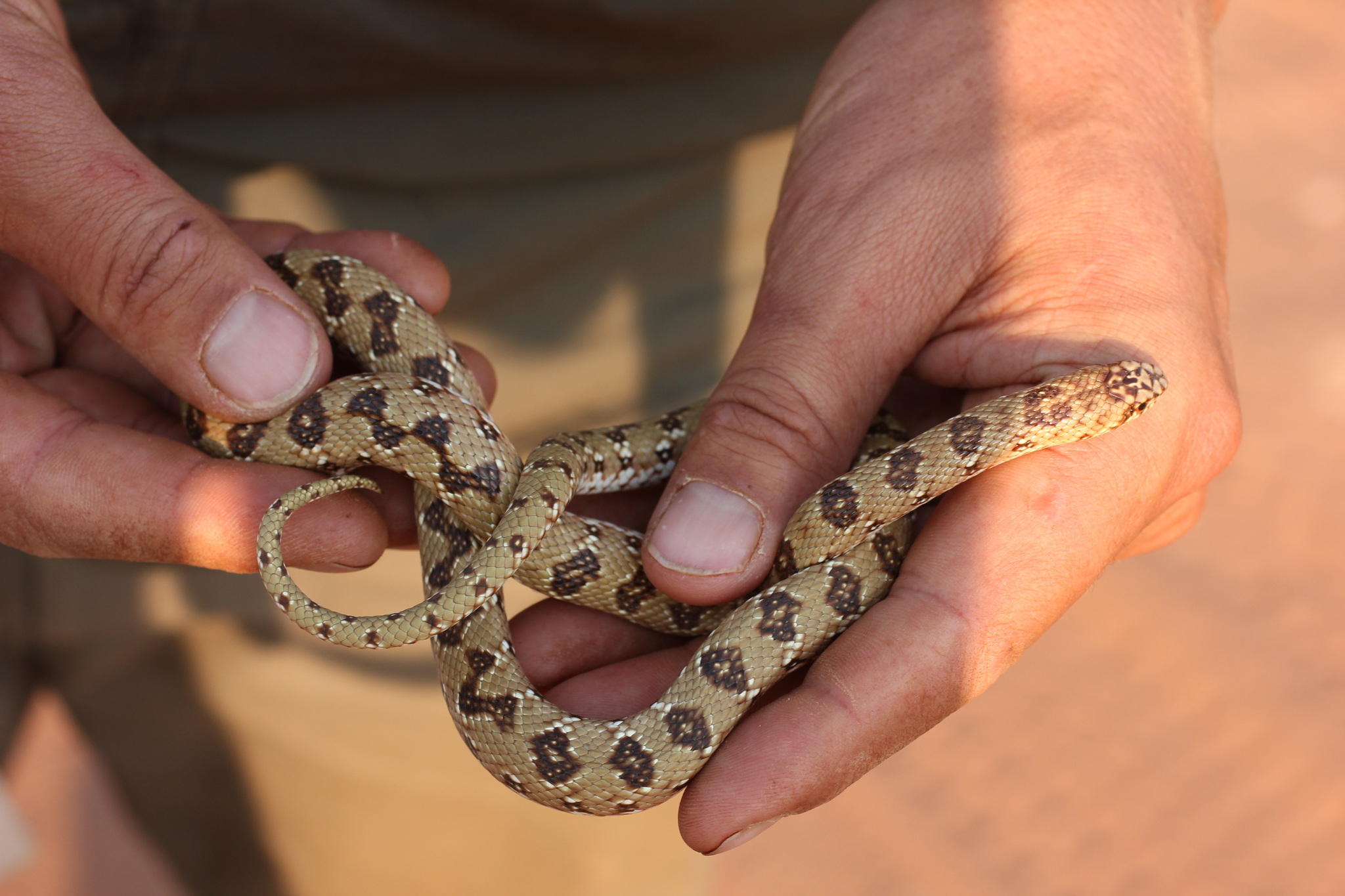
Mole Snake Juvenile in Hand from near Tswalu Kalahari Reserve, Northern Cape © Ryan van Huyssteen, some rights reserved (CC-BY)
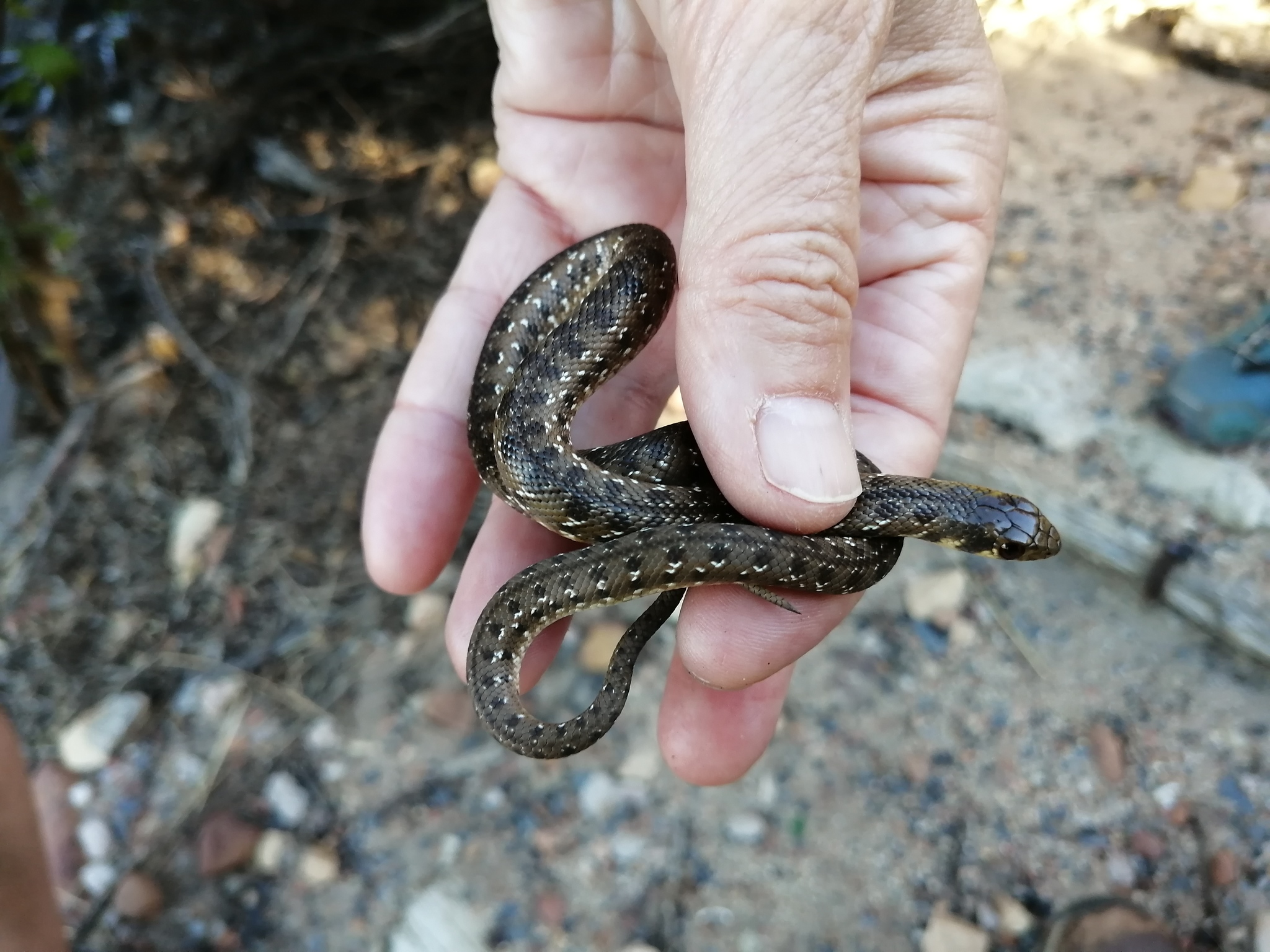
Mole Snake from Lakeside, Cape Town by Marius Burger, no rights reserved (CC0)