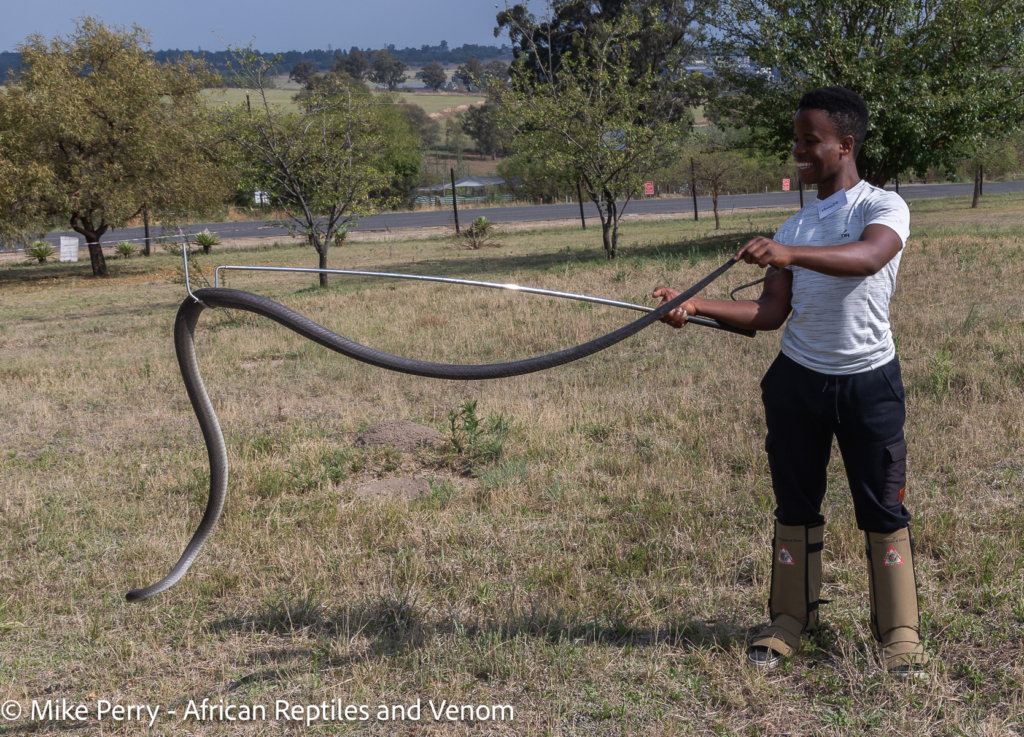
Venomous Snakes of Gauteng
A Guide to Venomous Snakes of Gauteng: Identification & Safety
Introduction
Gauteng, the economic heartland of South Africa, is a bustling province with a unique mix of urban sprawl and natural grasslands. While the concrete jungle is a familiar sight, many residents and visitors are unaware that this region is also home to a diverse range of snakes, including several highly venomous species. Understanding which venomous snakes inhabit Gauteng, how to identify them, and what to do in case of an encounter is crucial for personal safety. This article will serve as your comprehensive guide to the dangerous snakes of Gauteng, including the most common species found in Pretoria and Johannesburg.
The Highly Venomous Species of Gauteng
Gauteng has a number of dangerous snakes that can inflict a potentially fatal bite if not treated correctly. Bites from these snakes, while rare, can be very serious. It’s important to remember that most snakes are shy and will only bite in self-defense.
DANGEROUS SNAKES OF GAUTENG
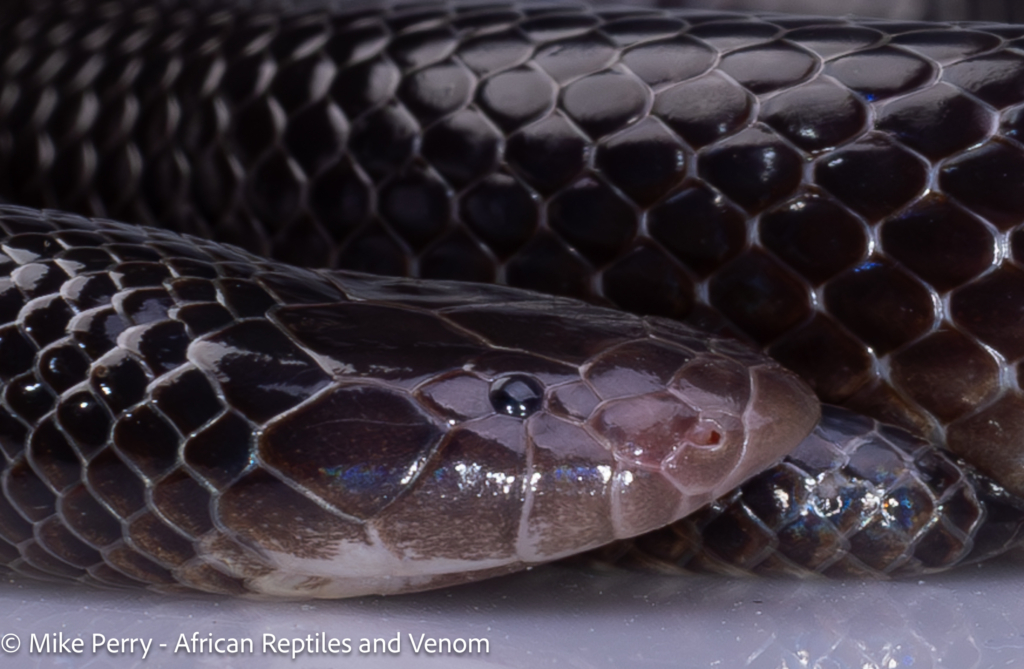
Bibron’s Stiletto Snake (Atractaspis bibronii)
- Identification: This is a small, slender snake with a uniform dark brown to black coloration. It has small eyes and a pointed snout. Its most unique feature is its fangs, which can be individually protruded from the sides of its mouth, allowing it to “stab” its prey or a perceived threat without opening its mouth widely. This makes it impossible to hold safely by the back of the head.
- Venom & Behaviour: The venom of the Bibron’s Stiletto Snake is potently cytotoxic, causing severe pain, swelling, and blistering. While not considered lethal to humans, bites can result in significant tissue damage and, in severe cases, the amputation of a finger or toe. The snake is fossorial, meaning it spends most of its life underground, but often emerges on warm, humid nights, especially after rain. It is often mistaken for a harmless snake, leading to many bites when people try to handle it.
- Where they are found: The Bibron’s Stiletto Snake is widespread across the eastern half of South Africa, including all of Gauteng. It can be found in a variety of habitats, from grasslands to woodlands, and is a common inhabitant of suburban gardens where it preys on other burrowing reptiles and rodents.
DANGEROUS SNAKES OF GAUTENG
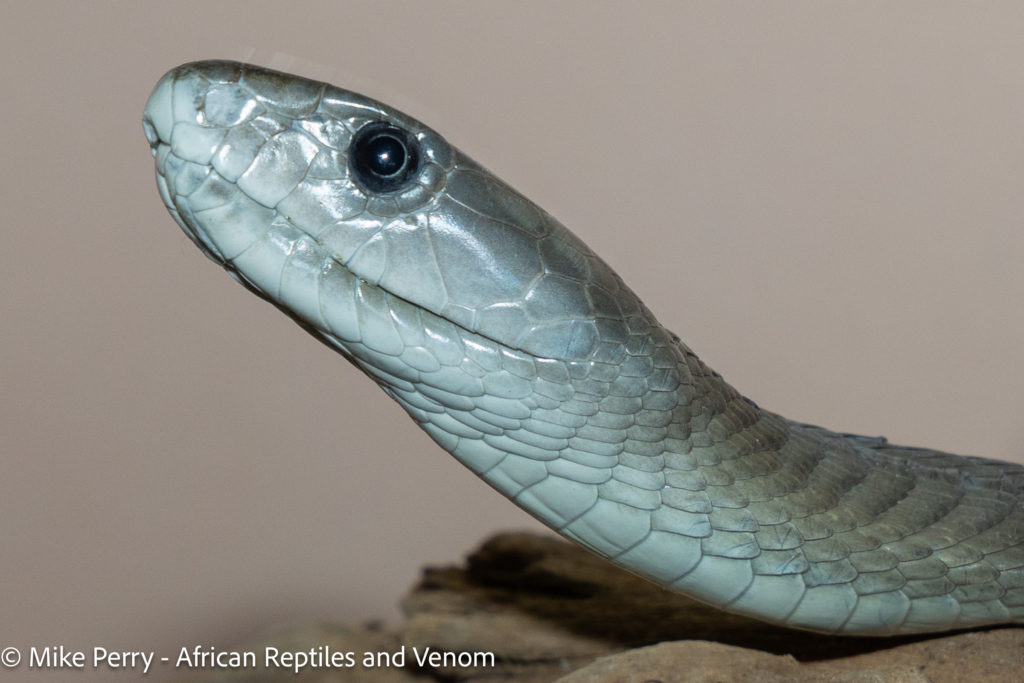
Black Mamba (Dendroaspis polylepis)
- Identification: The Black Mamba is a long, slender, and fast-moving snake. Despite its name, its colour ranges from olive-brown to gunmetal grey. The name comes from the dark, inky colour of the inside of its mouth.
- Venom & Behaviour: The Black Mamba is one of Africa’s most feared snakes due to its potent, fast-acting neurotoxic venom, which attacks the nervous system and can cause paralysis and respiratory failure. They are shy and generally avoid humans, but will become highly aggressive and defensive if cornered, often rearing up and expanding a narrow hood.
- Where they are found: While not as common in densely populated urban areas, Black Mambas are found occasionally in the north where Gauteng borders the Limpopo province.
DANGEROUS SNAKES OF GAUTENG
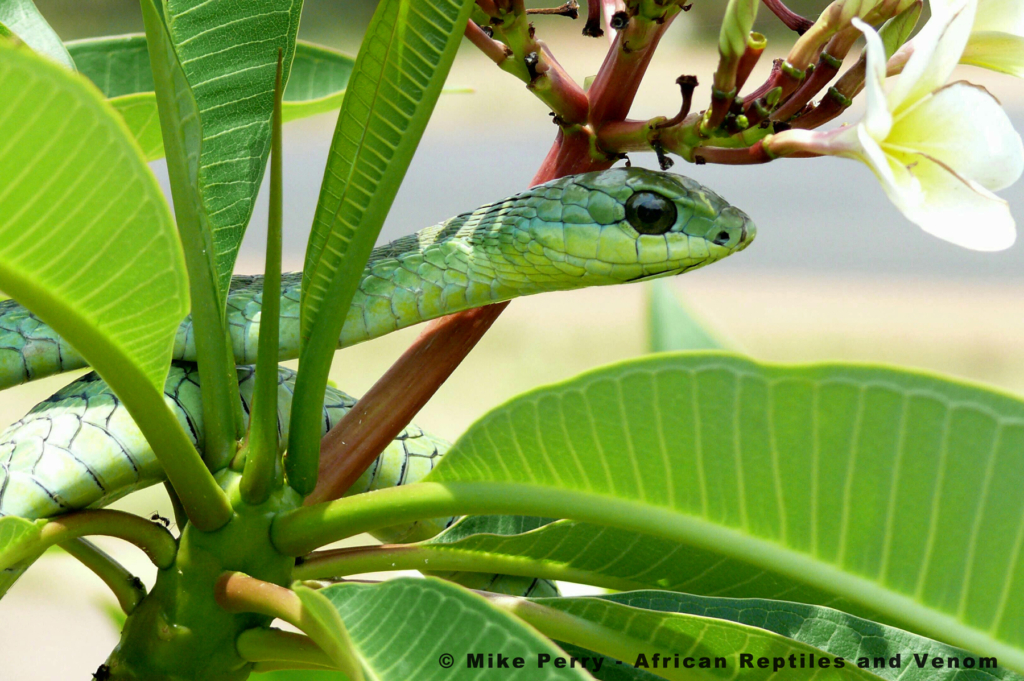
Boomslang (Dispholidus typus)
- Identification: The Boomslang is a slender tree snake with very large eyes. Females are often brown, while males can be a vibrant green or black with a yellow belly.
Venom &
- Behaviour: The Boomslang is a rear-fanged snake, but its haemotoxic venom is incredibly potent. It disrupts blood clotting and can cause severe internal bleeding. While bites are rare, they are extremely serious. Symptoms can be delayed for several hours.
- Where they are found: This arboreal snake is found throughout Gauteng, often in trees or shrubs, especially in areas with a mix of bushveld and human habitation.
DANGEROUS SNAKES OF GAUTENG
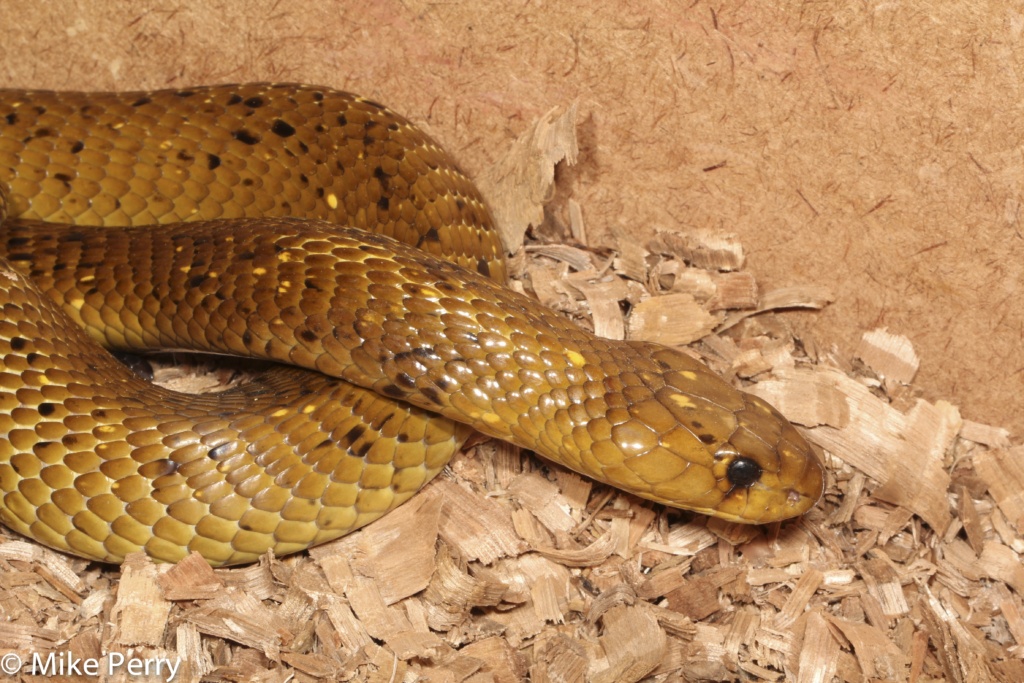
Cape Cobra (Naja nivea)
- Identification: This snake is a medium-sized cobra known for its extreme colour variations, which can range from bright yellow (giving it the name ‘Geelslang’ or ‘yellow snake’ in Afrikaans) to shades of brown, copper, or even solid black. Juveniles often have a dark throat band that fades with age. When threatened, it will lift its head, spread a large, impressive hood, and hiss loudly. It’s a shiny snake with smooth scales.
- Venom & Behaviour: The Cape Cobra has one of the most potent and fast-acting neurotoxic venoms of any snake in Africa. This venom attacks the nervous system, causing progressive paralysis, and can lead to respiratory failure and death if left untreated. It is a highly active, diurnal snake, meaning it hunts during the day. While generally shy, it is known for being nervous and will stand its ground and defend itself aggressively if cornered. It is not a spitting cobra.
- Where they are found: The Cape Cobra is most commonly associated with the drier western regions of South Africa, but its range extends into parts of the North West Province, including areas around Lichtenburg. Although not a typical resident of central Gauteng’s urban sprawl, it can be found in the province’s more peripheral, arid, and semi-desert regions, particularly those bordering the North West Province. It prefers dry habitats and is often found in rodent burrows or abandoned termite mounds.
DANGEROUS SNAKES OF GAUTENG
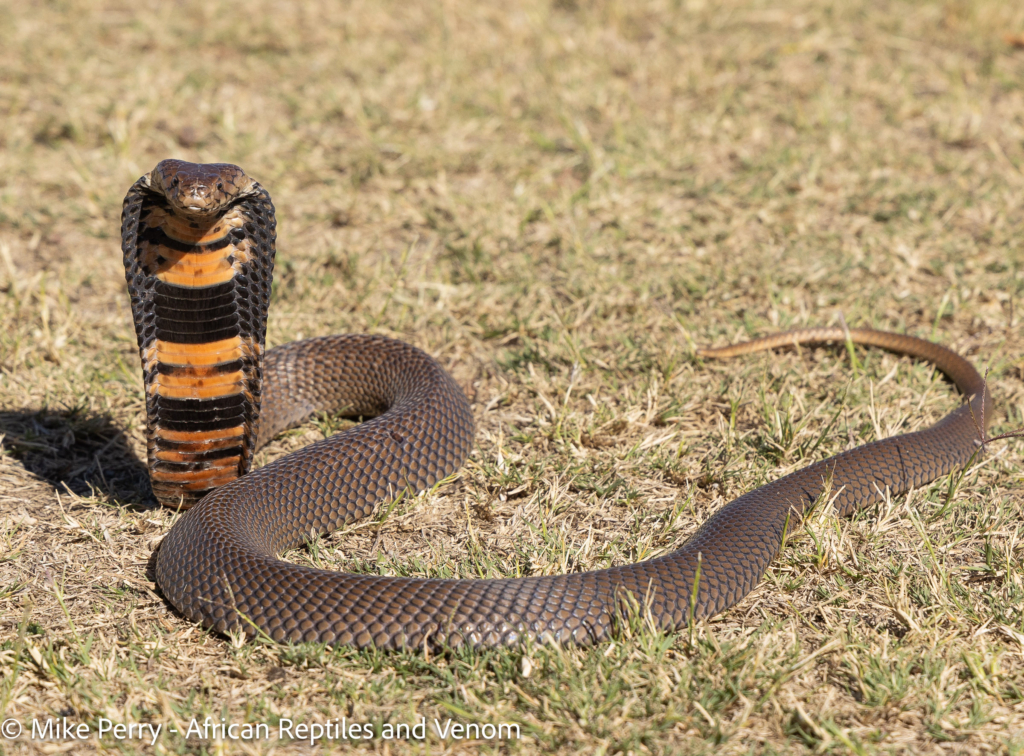
Mozambique Spitting Cobra (Naja mossambica)
- Identification: This cobra is a medium-sized snake, typically with a uniform slate-grey to brown colouration. It can be difficult to distinguish from other brown snakes, but it will raise a hood when threatened.
- Venom & Behaviour: Its venom is highly cytotoxic, causing severe tissue damage. A unique characteristic is its ability to “spit” or spray venom with remarkable accuracy at a predator’s eyes, which can cause temporary or even permanent blindness if not washed out immediately.
- Where they are found: The Mozambique Spitting Cobra is abundant in the northern parts of Gauteng and is notorious for entering houses, particularly at night.
DANGEROUS SNAKES OF GAUTENG
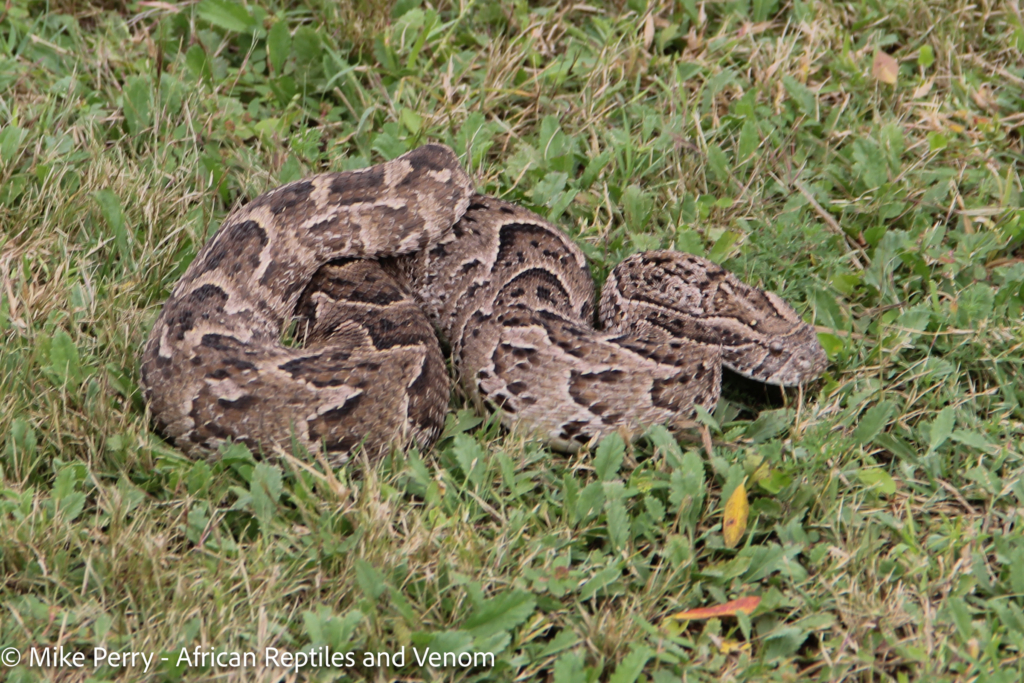
Puff Adder (Bitis arietans)
- Identification: The Puff Adder is a thick-bodied, sluggish snake with a large, triangular head. Its colouration is typically a pattern of light and dark V-shaped markings (chevrons) on a brown, grey, or yellowish background.
- Venom & Behaviour: The Puff Adder’s venom is cytotoxic, meaning it destroys tissue and causes severe pain, swelling, and blistering. They are masters of camouflage and often lie motionless, relying on their patterned skin to blend in with the leaf litter. This makes them particularly dangerous as people can easily step on them.
- Where they are found: This is arguably the most common and widespread venomous snake in South Africa, found in a variety of habitats, including urban gardens.
DANGEROUS SNAKES OF GAUTENG
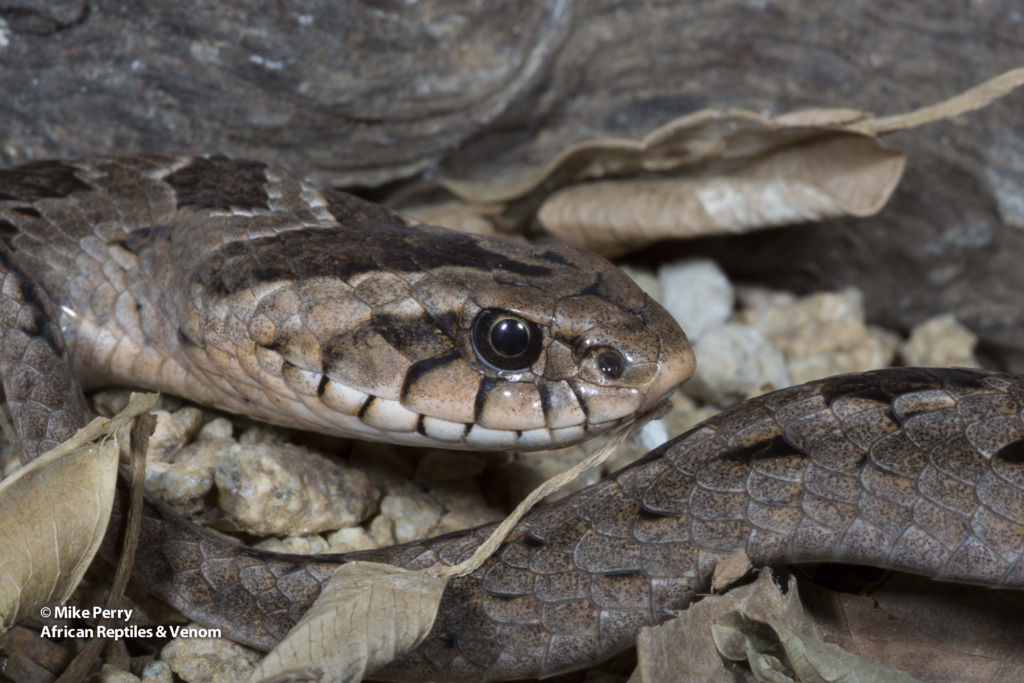
Rhombic Night Adder (Causus rhombeatus)
- Identification: The Rhombic Night Adder is a moderately stout-bodied snake with a distinct V-shaped marking on its head. Its body is typically a shade of brown or grey with a pattern of dark, rhombic (diamond-shaped) markings bordered with a lighter colour. Despite its name, it is often active during the day, particularly in the early morning or late afternoon.
- Venom & Behaviour: The venom is cytotoxic, causing extreme pain, significant swelling, and tissue damage, but it is generally not life-threatening to humans. The snake is typically docile but will put on an impressive threat display when cornered, hissing and flattening the front part of its body. It is often responsible for a high number of bites as it is common in suburban areas and its docile nature can lead people to underestimate it.
- Where they are found: This species is common and widespread in the moister eastern parts of South Africa, including Gauteng. It is a specialist feeder on frogs and toads and is therefore often found in gardens with water features or near streams and dams.
DANGEROUS SNAKES OF GAUTENG
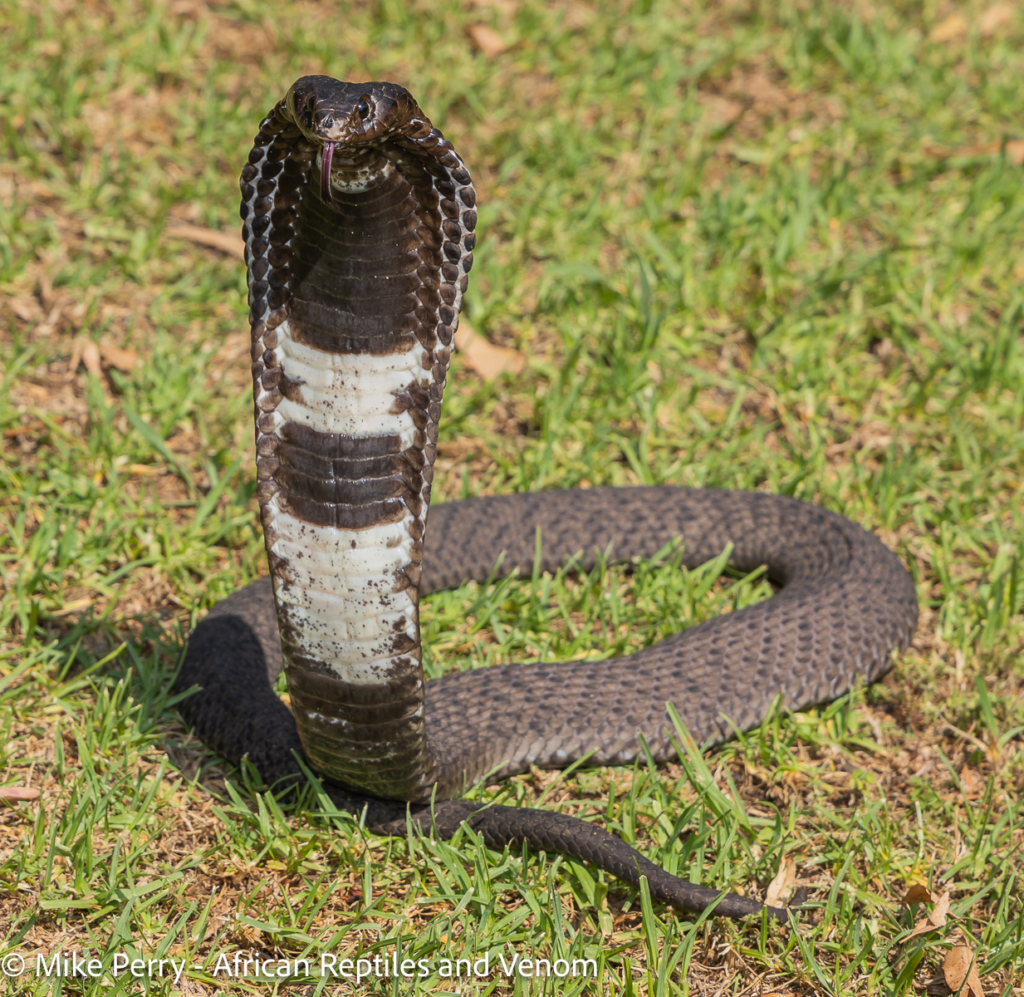
Rinkhals (Hemachatus haemachatus)
- Identification: A member of the cobra family, the Rinkhals is easily identified by the two prominent white bands on its throat that are visible when it spreads its hood. Its body is typically dark grey to black.
- Venom & Behaviour: The Rinkhals is a spitting cobra with a cytotoxic venom that causes significant swelling and tissue damage. It’s famous for its unique defense mechanism of playing dead, where it will roll onto its back with its mouth open.
- Where they are found: The Rinkhals is a common and widespread snake in Gauteng.
DANGEROUS SNAKES OF GAUTENG
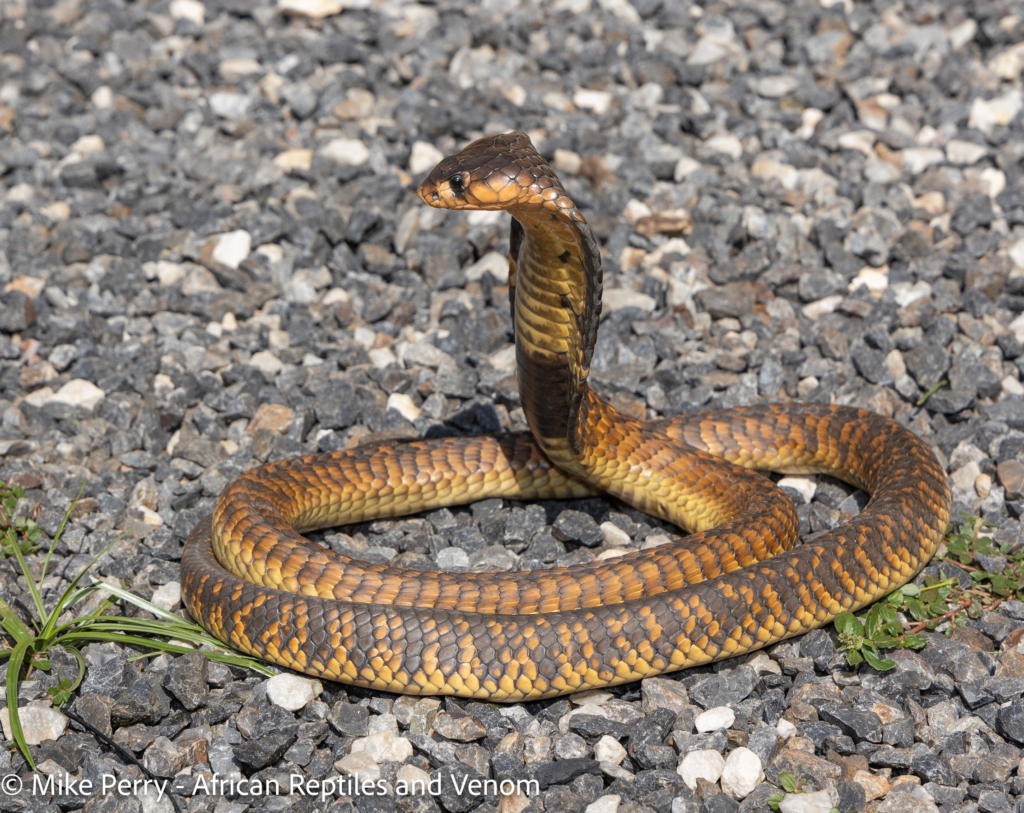
Snouted Cobra (Naja annulifera)
Identification: A large cobra with a distinctive “snout” on its head. Its colour can vary from yellowish to dark brown or even black, and some individuals have prominent black bands.
Venom & Behaviour: Like other cobras, the Snouted Cobra’s venom is primarily neurotoxic, affecting the nervous system. When threatened, it will lift its head, spread a large hood, and hiss loudly. It’s known to be a resident species, often occupying a permanent home in a termite mound for years.
Where they are found: This cobra is a common resident in many parts of Gauteng, including some suburban areas.
Snake Safety and First Aid
The most important thing to remember is to never try to handle, catch, or kill a snake. Give it space and it will almost always move away on its own.
What to do if you encounter a snake:
Keep a safe distance (at least 5 metres).
Do not corner or provoke the snake.
Call a professional snake handler for safe removal.
What to do in case of a snakebite:
Stay calm and try to identify the snake from a distance, but do not risk a second bite.
Immobilise the bitten limb.
Get to the nearest hospital or medical facility immediately.
Do NOT cut the wound, suck out the venom, apply a tourniquet, or use ice.
Do NOT give the victim alcohol.
Know the difference: Different venoms require different treatments. African Reptiles & Venom and other snake safety experts can provide detailed information on what to do for specific snakebites. For example, pressure immobilisation bandages are used for neurotoxic bites (like a Black Mamba or Cape Cobra), but NOT for cytotoxic bites (like a Puff Adder).
Conclusion
Gauteng’s snake population is a natural part of its ecosystem. By being aware of the venomous species in the area and understanding proper safety protocols, you can coexist peacefully with these fascinating creatures. Remember, a snake is only dangerous if it feels threatened. Knowledge and respect are your best tools for staying safe.
VIDEOS
Venomous Snakes of Gauteng - Part 1
Venomous Snakes of Gauteng - Part 2