Winter Survival: Why South African Snakes Don’t Hibernate
If you’ve noticed a sharp decline in snake sightings over the winter months, you might assume they’ve disappeared into a deep, months-long sleep. However, the term “hibernation”—while technically accurate for some mammals—is a misnomer when it comes to South African snakes.
Because our winters are relatively mild compared to the Northern Hemisphere, our snakes don’t truly hibernate. Instead, they employ a strategy of energy conservation and opportunistic thermoregulation.
The Science of the “Quiet Season”
As ectotherms, a snake’s metabolism is directly linked to the ambient temperature. When winter arrives, the drop in temperature and daylight hours triggers a shift:
Metabolic Slowdown: Snakes significantly reduce activity to conserve energy. Because they rely on external heat to digest food, they often stop feeding entirely during the coldest weeks; undigested prey can rot in the gut if the snake cannot reach a high enough temperature to process it.
Not a Deep Sleep: Unlike hibernating mammals, snakes remain responsive. They don’t “shut down” completely; they merely slow down.
Opportunistic Basking: If a “cold front” breaks and a sunny day pushes temperatures toward 20°C or higher, snakes will emerge from their shelters to bask. They aren’t “waking up” so much as taking a tactical advantage of a thermal window.
The Winter Exception: Mating Season
While most of the country sees a drop-off in activity, the “warmer” provinces like KwaZulu-Natal, Limpopo, and Mpumalanga tell a different story. For several of our most iconic species, winter isn’t just about survival—it’s about reproduction.
In these subtropical regions, the drop in temperature actually triggers the onset of the breeding season. This leads to increased movement as males begin to track the pheromone trails of females.
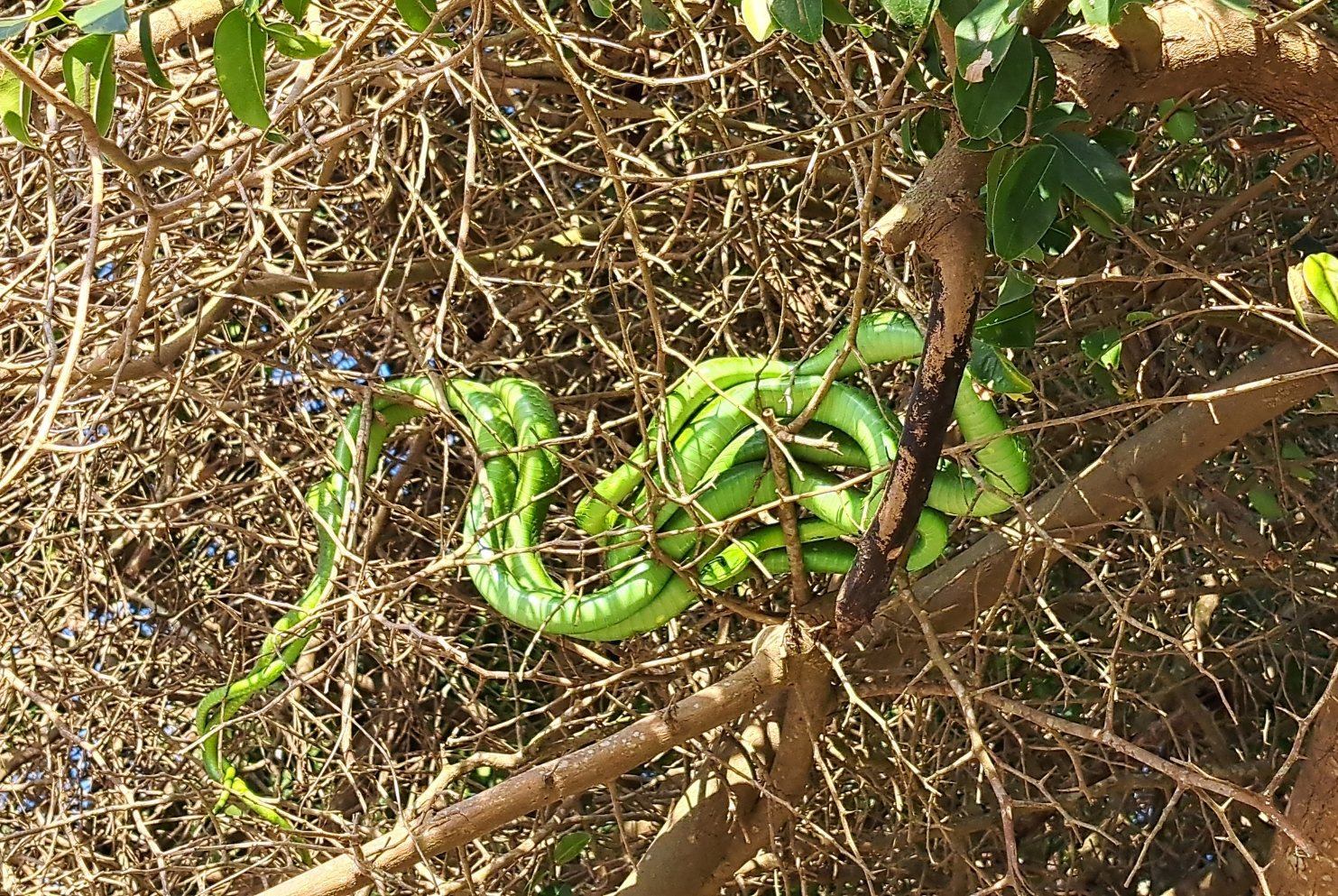
The Mambas: Both the Black Mamba and the Green Mamba are famous for winter breeding. Between June and August, male mambas can be found engaging in “plaiting” or combat dances, where they intertwine their bodies to assert dominance.
African Rock Pythons: These giants are known to congregate in winter for mating. In the bushveld, several males may be found trailing a single large female near a winter refuge like a termite mound.
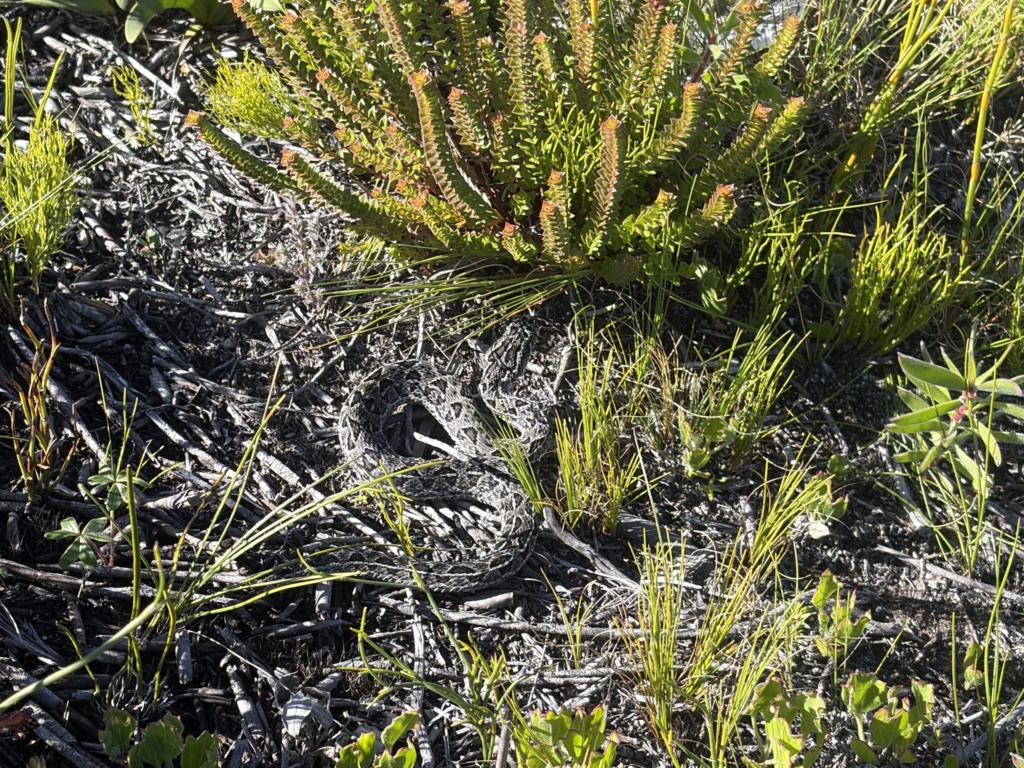
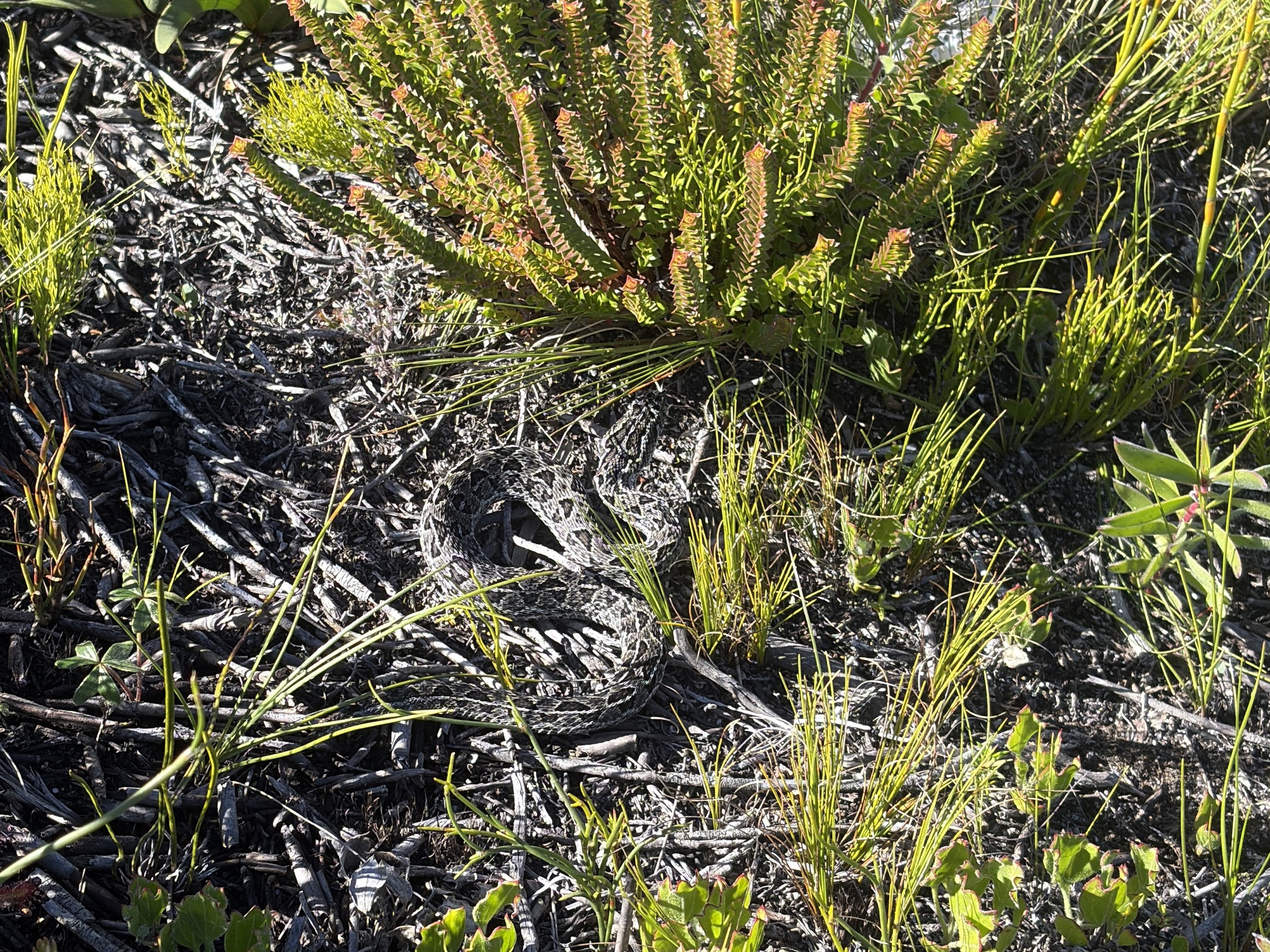
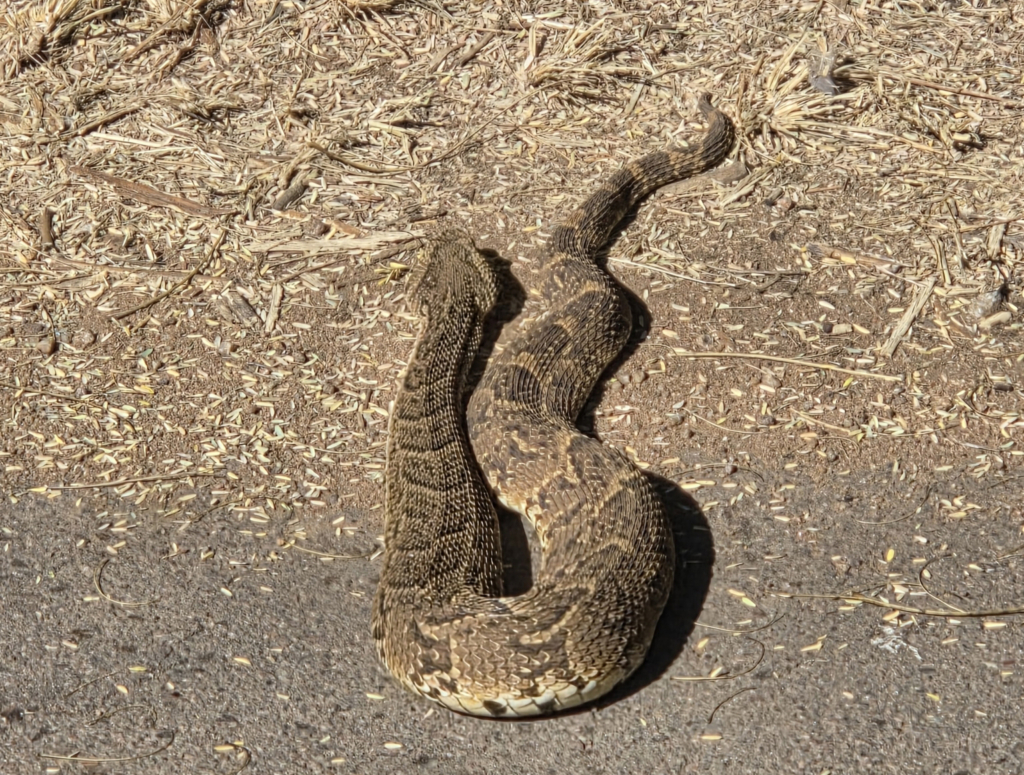
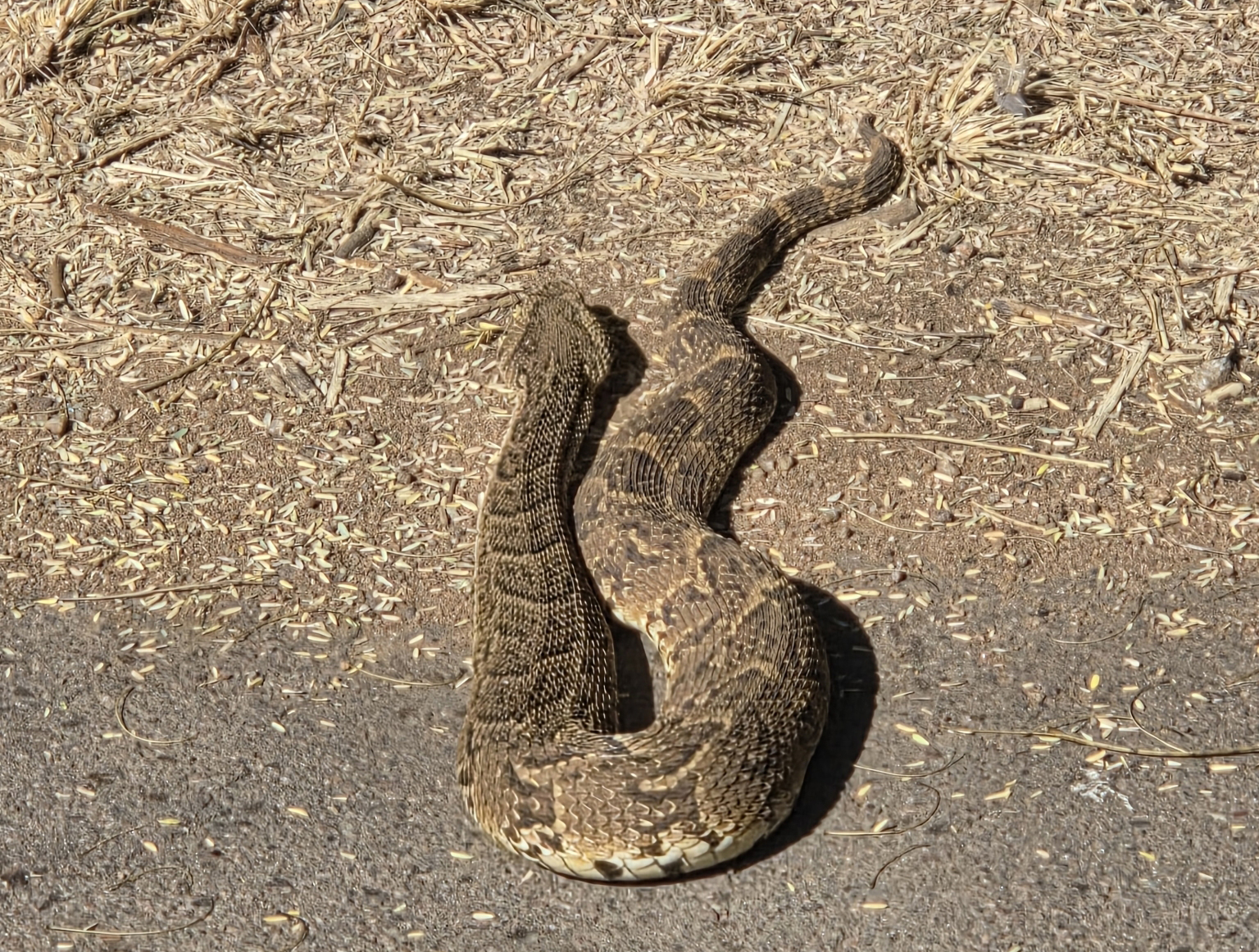
Puff Adders: While they are active year-round, winter and early spring often see a spike in movement as males cover large distances to find mates.
Boomslang: In warmer coastal areas, these arboreal specialists are often observed mating during the late winter months.
Where Do They Go?
When they aren’t looking for mates or basking, snakes seek out micro-habitats that provide stable temperatures:
Deep Underground: Abandoned rodent burrows or deep rock crevices. A meter underground, the temperature remains remarkably stable.
Man-made Structures: Garages, woodpiles, and building foundations offer excellent insulation.
Natural Debris: Hollow logs and termite mounds act as natural thermal regulators.